Pages

Showing posts with label starbucks. Show all posts

Nov 5, 2012

Samsung may reveal “vibrant” new brand identity at CES 2013

Samsung Logo Door Offices

Samsung is reported to be planning a complete brand overhaul for CES 2013, ably assisted by Brandstream and its CEO Scott Bedbury, who was responsible for turning Nike and Starbucks in global phenomenons.

Samsung is planning something special for CES 2013, and although we’re sure many new products will be among them, a rumored overhaul of the company’s branding may take center stage.

The news comes from a report published by Channel News in Australia, and quotes anonymous sources who say Samsung is almost ready to unveil a “more vibrant international brand image.” While the specifics aren’t discussed, the familiar blue Samsung oval will be replaced, and each part of Samsung’s business will get its own individual color that will be used in its advertising.

On the subject of advertising, this will shift from being based around features and benefits, to focus instead on “lifestyle activities.”

According to Channel News’ sources, the man at the helm of this ambitious project is Scott Bedbury, CEO of brand development consultancy Brandstream. This is a fascinating choice, and if anyone can enhance Samsung’s already well-established brand image, it’s Bedbury.

During his time at Nike in the late 80s and early 90s, he directed the launch of the Just Do It campaign, which you’re probably familiar with, and turned Nike around from being a youthful, aspirational American brand to being a global, all-inclusive fitness phenomenon. After Nike, he pushed Starbucks out into the world, and introduced the comfy chairs and CDs.

Since then, he has gone on to work with companies including Nokia, Facebook, Amazon, T-Mobile and Google.

Public perception problem?

A complete brand overhaul means Samsung may have taken recent comments regarding the way it’s perceived to heart. When a judge in the UK says your products aren’t as cool as Apple’s, it’s not only bound to smart, but also raise concerns about the opinion of the man on the street too.

The really interesting thing is, Bedbury isn’t a fan of “cool.” In an interview with FastCompany.com way (way) back in 2002, he warned companies “not to worship cool,” and called it a “false god.” He said (rather prophetically, as it turns out) that companies should “be more concerned with their karma than with being cool,” and closed with the thought that “big doesn’t have to be bad, that profits are only one measure of success, and that great brands can use their unique superhuman powers for good. Now that would be cool.”

An attitude like this makes a major Samsung brand identity alteration intriguing, as it could take a very different route not only to the one it has been on for a while, but the one Apple has chosen too.

Next year’s International Consumer Electronics Show begins on January 8 and ends on January 11.


Source : digitaltrends[dot]com

Oct 29, 2012

Starbucks rolls out test of wireless charging stations in Boston

starbucks

Definitely more convenient than hunting down a power outlet while holding a latte, Starbucks and Duracell are testing wireless charging at retail stores.

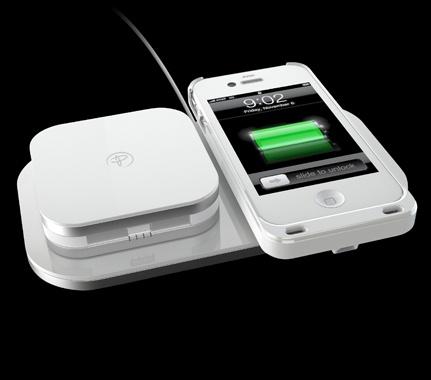
Detailed on Boston.com earlier today, the Seattle-based coffee giant Starbucks is launching a pilot program that will install wireless charging stations at seventeen franchise locations around the city of Boston. Partnering with Duracell, Starbucks management is utilizing inductive charging technology and installing large Duracell Powermats within the tables at retail stores. In order to take advantage of wireless charging, customers will either need to purchase a Power Matters Alliance (PMA) compatible wireless power case or borrow a loaner case from a Starbucks employee. Duracell currently makes PMA-compatible cases for the iPhone 4 and iPhone 4S as well as the Samsung Galaxy S III Android smartphone.

Duracell Powermat wireless chargingWhen asked about the new technology rolling out at Boston locations, Starbucks chief digital officer Adam Brotman stated “We’re building the Powermat technology into some of the tabletops, just to get a sense for how our customers will react, compared to having to plug their mobile devices into the wall. A few weeks into the test, we’ll do some in-store giveaways, and we will have some behind the counter available to loan out.” 

Starbucks plans to roll out a minimum of eight Powermats per store in order to gauge customer demand and the first stores to receive the upgrades are located within Boston’s financial district. As more people start using the wireless charging stations instead of the power outlets within each store, it’s likely that it will free up charging space for customers with laptops or other devices.

AT&T has also started to sell PMA-compatible cases and Delta airlines has started installing wireless charging spots around gates at major airports within the United States. Earlier this year, General Motors announced that the company would be adding a PMA-compatible powermat station into Cadillac, Chevrolet, and Buick automobiles. In addition, popular venue Madison Square Gardens in New York City has added hundreds of wireless charging locations as a service to visitors.  


Source : digitaltrends[dot]com

Sep 30, 2012

Google Maps on the original iPhone was a last minute addition

One of the most important applications on the original iPhone was the Maps application that Steve Jobs demoed with a prank call to Starbucks. But it has now come to light that about a month before the phone was announced, no such application even existed on the device.

According to a story by The New York Times, the maps application was not at all part of the original plans for the phone. Steve Jobs thought of having the application on the phone just weeks before the announcement because he thought it would help show off the multi-touch display better.

He then set two engineers who came up with the original maps application in just three weeks before the announcement. Apple then cut a hasty deal with Google to provide the mapping data for their application. This should have been easy back then because the two companies had good relations and Google’s then CEO Eric Schmidt was part of Apple’s board of directors and also came on stage during the iPhone announcement. The last minute inclusion of Maps also tells us why the original iPhone did not have GPS, which was then added in the iPhone 3G next year.

Of course, over time the relationship between the two companies became tense to the point where Apple had to come up with another source for the mapping data (the data for the current Maps application in iOS 6 is provided by TomTom, among others) and the rest is history. Still, it’s interesting to know that the original iPhone would not have had a Maps application at all had Steve Jobs not thought of it at the eleventh hour.


Source : blog[dot]gsmarena[dot]com

Sep 21, 2012

Starbucks coming to Apple’s Passbook before October

Coffee giant Starbucks is the latest company to announce its intention to integrate its app with Apple's new Passbook mobile wallet feature.

When Apple unveiled the latest version of its mobile operating system back in June, its new Passbook app was trumpeted as one of its main features.

Passbook acts as a kind of digital wallet, a place for users to store and organize tickets, boarding passes, store cards and coupons.

iOS 6 launched this week, introducing millions of owners of Apple’s iPhone to the new app. Of course, it’s useless without companies supporting it, and the early indications are that, over time, plenty of businesses will go with it.

A number of airlines, for example, are thought to be gearing up to integrate with Passbook – American Airlines has already confirmed its intention – while today Starbucks announced it would be offering Passport support by the end of this month.

The news came via the coffee chain’s Twitter feed on Friday. Many regular Starbucks customers may already be paying for their drinks using the company’s existing app, which also allows users to manage their Starbucks Card balance, top up their card, and send friends eGifts, among other things. In 2011, the Starbucks app, available for iPhone, Android and BlackBerry devices, accounted for 26 million transactions.  

Passbook integration could make the process of handing over your hard-earned readies even simpler, with, for example, the app opening automatically when the phone detects its owner’s arrival at a store. But if you’re a fan of Starbuck’s current app, which evidently already has some pretty major functionality, does integration with Passbook sound like such a big deal?

For a closer look at Passbook and its chances of becoming a true digital wallet, be sure to check out Geoff Duncan’s in-depth piece on the new app here.


Source : digitaltrends[dot]com