Pages

Showing posts with label software. Show all posts

Nov 7, 2012

Jailbreak iPhone 4 – Step By Step guide to Jailbreaking iPhone 4

If you want to have free applications and games available on the iPhone 4, then it is necessary to jailbreak the phone. This is basically software that is downloaded on the phone. With this the game and application availability will open up exponentially. For everyone who is not into technical aspects of the phone, here is a step-by-step guide to jailbreak the phone for ultimate application usage.

The first and foremost step to take is to open the internet on the IPhone and go to the search box. In this search box there are many key phrases that can be put in, but for the best results type in, “Jailbreak IPhone 4.2.1.”

Once this is done, hit the search bar and it will be possible to look at all the top softwares to jailbreak the IPhone 4. There are plenty of softwares available that can be bought. During this step it is important to research the software, look at the cost, examine the user reviews, and look at the warranty options to find the best option. If wanting to save money there are free options for softwares available.

Now that the choice is made about the software, it needs to be purchased, downloaded, and installed. These are followed normally by prompts on the phone.

After the software is downloaded, the IPhone 4 needs to be hooked up to the computer, whether it be a desktop or laptop. Once it is hooked up, it is necessary for the device to be recognized by ITunes. In case this doesn’t work the first time, keep trying. For the program to work, this step is mandatory. If the phone is already synced to ITunes, it would be a good idea to sync it again just to make sure everything is the way it was before.

Once the phone is synced, open the software that was purchased and click on the button that says “Jailbreak.” The program should start right away. During this process it is best to have the computer working on this task solely. If not, there may be chances the computer will crash.

After the software has finished running, a message should appear that says the restore is completed. Once this message is shown, it is highly recommended that you restart the phone. Once this is done, an additional icon should be on the screen.

By following this process, any IPhone 4 user will successfully Jailbreak their phone. Once the software is installed in the phone, there will be more applications and games at disposal to enjoy.

Tags: iPhone 4, iPhone Jailbreaking, iPhone4, Jailbreaking iPhone

Source : techtalkafrica[dot]com

Nov 4, 2012

How To Convert Word to PDF

The process of converting a Word file into a PDF file is relatively simple, and it all depends on what version of the Microsoft Word software you are working with. Older versions are set up slightly different from newer versions, and Mac software runs somewhat differently than Windows software.

The first step you need to accomplish this task is determining which version of Word you are working with. Obviously if you are using a Mac computer, then you are using the Mac version of the software. The same with the Windows version. To figure out what version you are using besides its operating platform, simply log in to the software. As it opens up it should give you version information. If it does not or it goes by too quickly to read, you can also get it once you are fully logged in. Just go to the Word tab in the top drop down menu, and select About Word from the menu that opens up. This should have the information you need.

If you are using something like Word 2007, then your word will have has a big round button, known officially as the “Office button”, and unofficially as the “pizza button”.

Word 2010 will have a square blue button, known officially as the “File button”, and unofficially as the “pizza box” as shown below

Once you have determined what version of Word you have, you can go about creating or opening a document that you can save as a PDF. Some Word formatting will not translate properly to other formats, though most crossover to PDF better than they will to .RTF or .TXT. Once your document is ready, make sure to save it as a Word .DOC or .DOCX file, just in case something happens and you need a copy in the future.

After creating and saving your document, it is time to convert it into a PDF. If you have Word for Mac or an older version of Word for Windows, you can try this method. Go to the File tab at the top of the screen. When the menu drops down, select the Print option. In the window that opens up, select PDF as your printer, or the PDF menu if it is separate. This should give you another option to Save as PDF. Once you select this, it will let you create a document name as well as Author and Keywords if you wish. Fill out the information you need and click Save. The document is now a PDF file.

In Word 2007, the conversion process is handled somewhat differently. Instead of choosing the Print option from the File drop down menu, you will click on Save As. In the window that opens up you can select the PDF option. Create a title for the document and adjust any settings as needed. After that click the Publish button. Your document will be converted into PDF. This method does require a Microsoft converter in the Word software. If your software did not come with it or if it is not working properly you may need to download a new version online.

Tags: PDF to Word, PDF2Word, Word to PDF, Word2PDF

Source : techtalkafrica[dot]com

Nov 1, 2012

8 things you think you own, but don’t

8 things

The rise of digital goods and software-reliant gadgets has thrown a wrench in the contemporary concept of ownership. Here are eight products that, even though you paid for them, aren't entirely yours.


This week, the U.S. Supreme Court heard arguments in a case called Kirtsaeng v. Wiley, which will test the limits of something called the “first sale” doctrine. First sale is the legal doctrine that governs our right to buy, sell, and loan things like CDs, books, DVDs, and any other product that is covered by copyright without first having to obtain permission from the product’s copyright holder.

If the Supreme Court sides with textbook publisher John Wiley and Sons, which sued Thai-born student Supap Kirtsaeng on copyright infringement grounds for buying the publishers books in Thailand and selling them to U.S. college students at a profit, you may no longer be able to freely buy or resell used, copyrighted goods. It could even put a stake through the heart of companies like eBay, Amazon, and Craigslist, all of which deal heavily in the sale of used goods.

Regardless of the outcome of Kirtsaeng v. Wiley, a decision for which is expected in June, there appears to be broad confusion among consumers about what “ownership” really means these days. So, in the spirit of clearing things up, here is a quick rundown of the products that, even though you paid for them, aren’t entirely yours.

Smartphones

While it’s currently legal to buy or sell a used smartphone, the law says you may not necessarily do whatever you like with the device. According to the most recent round of exemptions to the Digital Millennium Copyright Act (DMCA) from the Library of Congress, smartphone owners will soon no longer be allowed to unlock their devices for use overseas or with another wireless provider, unless their current carriers give them permission to do so.

Tablets

Unlike smartphones, which may be jailbroken for the purposes of installing apps not approved by the respective app marketplace, tablets are not exempt, according to the new DMCA rules. The reason being: Jailbreaking requires making changes to the device’s firmware, which is currently a copyright violation, at least when tablets are involved. So, why is it allowed for smartphones and not tablets? Two reasons: First, the U.S. government says the definition of a tablet is still too broad to write in an exemption for devices that fall under that name. Second, because tablets are less widely adopted than smartphones, copyright holders were able to convince the government that adding an exemption for tablet jailbreaking would adversely affect the devices.

In short, if you have an iPad, you’re only allowed to install apps from the iTunes App Store. Try to jailbreak it, and you’ve broken the law.

Kindle e-books

If you think you just bought that Kindle e-book, you’d be wrong. You licensed it – a concept everyone needs to be familiar with these days. Amazon’s Kindle Terms explicitly state that “Kindle Content is licensed, not sold,” and that, “you may not sell, rent, lease, distribute, broadcast, sublicense, or otherwise assign any rights to the Kindle Content or any portion of it to any third party.”

The control Amazon has over your Kindle e-book collection came under intense public scrutiny last week after a woman named “Linn” alleged that the company had shutdown her Amazon account and deleted the entire contents of her Kindle e-reader due to some suspicious activity linked to her account. Amazon later stated that “account status should not affect any customer’s ability to access their library.” But Linn is not the only one who has experienced similar loss of access.

Music

Just like e-books, “purchasing” a song on, say, iTunes does not mean you’ve bought the song itself. Instead, you’ve paid for the right to play that song in your personal life (provided your “personal life” doesn’t involve playing songs for large groups of people). Furthermore, it is – believe it or not – against the law to burn a copy of a song you “purchased” onto a CD, or to give a licensed MP3 file to a friend.

In terms of being able to resell music you’ve paid for, things are even more complicated. A company called ReDigi is currently being sued by Capitol Records for giving users the ability to resell their MP3 files, just as used record stores sold, well, used records. This, despite the fact that ReDigi’s technology automatically deletes the seller’s copy of a song or album when it goes up for sale. And no copies of a track are made — the actual file is transferred from one machine to the other, which the company says is a perfectly legitimate way to resell music. Capitol, of course, disagrees.

Movies and TV shows

Movies fall into the same category as music and e-books. As such, making copies of a DVD, or ripping a DVD so you can watch it on a device that does not have an optical drive, are violations of copyright. Now, if you’re copying DVDs on a small scale, just giving a copy to a friend or relative, then there is little chance that you’ll get served with a lawsuit from the MPAA. But not getting caught and being allowed to do something are, as you likely realized by now, two entirely different things.

Oh, and if you’re wondering, the whole “licensed, not sold” thing goes for digital movies purchased through Amazon, iTunes, and other online digital movie marketplaces, too.

Video game consoles

As with tablets, it is perfectly legal (for now) to resell your used Xbox or PS3. What you may not do is mod your video game console (or handheld gaming device) to run an alternative operating system due to copyright on the device’s firmware. Furthermore, jailbreaking your Xbox (or other console) is also forbidden because, according to the Library of Congress, “video games are far more difficult and complex to produce than smartphone applications” and anti-jailbreaking mechanisms are in place to “protect highly valuable expressive works.”

Apps

Don’t even think about trying to give away or resell any of your mobile apps. Not only is this technically difficult, both Google Play and Apple’s iTunes App Store – the two largest online mobile app marketplaces – firmly forbid the reselling of your apps. According to the Google Play terms of service, customers are not allowed to “copy, sell, license, distribute, transfer, modify, adapt, translate, prepare derivative works from, decompile, reverse engineer, disassemble or otherwise attempt to derive source code from” purchased apps. And Apple goes even further, saying that customers may not “rent, lease, lend, sell, transfer redistribute, or sublicense the Licensed Application,” and must “remove the Licensed Application from the Mac Computer or iOS Device” before reselling the device.

Pre-loaded devices

Which brings us to our final item: Pre-loaded devices. Because of the copyright rules governing e-books, movies, e-books, apps and other software, selling a device that already contains these copyrighted items means you would likely be in violation of intellectual property law were you to do so. So if you were thinking about offloading your old iPod with 40,000 songs already on it to your mom’s best friend, just make sure the RIAA doesn’t catch wind of your little scheme, or you could be in hot legal water.

Image via Borys Shevchuk/Shutterstock


Source : digitaltrends[dot]com

Oct 29, 2012

Apple management shake-up – iOS software chief Forstall and retail boss Browett both given the boot

Apple announced some big changes at the top of the company on Monday, with long-time Apple employee and iOS software chief Scott Forstall and retail boss John Browett both removed from their positions.

Apple has kicked the week off with a major management shake-up, with iOS software chief Scott Forstall and retail boss John Browett both given the boot.

News of the departures was announced in a statement on Apple’s website on Monday. While Browett appears to have had his contract terminated with immediate effect, Forstall will stay on in an advisory role until 2013.

The precise reason for Forstall’s departure isn’t clear, though many will point to the disastrous rollout of Apple’s iOS 6 Maps app last month as a possible factor. But with Forstall an integral, long-established member of the Apple team – he joined the tech giant back in 1997 – it’s hard to believe he’d get dumped over one misstep.

The decision to end Browett’s tenure with the company, though somewhat surprising considering the Brit had only been in the job a matter of months, may be more clear cut.

Browett was recruited from British electronics retail chain Dixons in January and was Tim Cook’s first major hire after becoming CEO in 2011 following the death of Steve Jobs. “Our retail stores are all about customer service, and John shares that commitment like no one else we’ve met,” Cook said at the time.

John Browett

Having streamlined Dixons’ retail business and improved its financial position, he seemed to set about doing the same with Apple’s retail business, although by all accounts it was doing OK as things were. Reports of recent hires at Apple stores being axed and existing staff having their working hours reduced hit the headlines over the summer, creating confusion and resentment among the workforce.

A short time later, the tech firm admitted that the layoffs had been the wrong thing to do and started hiring new workers again. “Making these changes was a mistake and the changes are being reversed,” Apple spokeswoman Kristin Huguet said in a statement, adding, “Our employees are our most important asset and the ones who provide the world-class service our customers deserve.”

However, it hasn’t been all bad for its retail workers under Browett’s tenure, with employees at the stores reportedly receiving pay rises of as much as 25 percent as well as being offered generous discounts on Apple products.

Cook will be assuming Browett’s responsibilities until a replacement is found, Apple said in Monday’s statement.

In other changes, Apple’s design guru Jony Ive is set to take on more responsibilities, as is senior vice president Bob Mansfield, senior vice president of Internet software Eddy Cue,  and vice president of Mac software engineering Craig Federighi.

UPDATE: A Wall Street Journal report late Monday suggests Forstall refused to sign the apology letter which Tim Cook issued in response to complaints about iOS Maps, which, if true, would certainly have strained the relationship between Cook and Forstall.


Source : digitaltrends[dot]com

Oct 25, 2012

Apple CEO Tim Cook: Microsoft’s Surface Tablet ‘Confusing’ and ‘Compromised’

ht ipad surface nt 121025 wblog Apple CEO Tim Cook: Microsofts Surface Tablet Confusing and Compromised

Image credit: Apple / Microsoft

The Apple vs. Microsoft post-PC war is just getting started.

Microsoft has argued why its new software and Surface tablet are better than the iPad, but Apple’s not staying quiet.

“I haven’t played with a Surface yet, but what we are reading about it is that it is a compromised and confusing product,” Apple CEO Tim Cook said on the company’s earnings call late this afternoon, which took place just hours after Microsoft’s Windows 8 launch event. “One of the toughest things you do is make hard tradeoffs and decide what a product should be, and we’ve done that with the iPad.”

Cook didn’t stop there.

“You could design a car that flies and floats, but I don’t think it would do all those things very well,” he said. “I think when people look at the iPad versus competitive offerings, they will continue to want an iPad.”

Apple and Microsoft are taking different routes when it comes to tablet software. While Apple offers its iOS mobile software on its family of iPads, Microsoft has decided to revamp Windows by bringing in elements from its smartphone operating system. Previously, Cook had compared what Microsoft was doing to combining a refrigerator and a microwave.

Microsoft, on the other hand, claims Windows 8 doesn’t have any of the compromises that the iPad has.

“We have a different perspective, a different reason why we would want to make a tablet computer and that is really rooted in PCs being a general-purpose device that works within a broad ecosystem, that connects to a lot of peripherals, and represents an open platform,” Steve Sinofsky, head of the Windows division, told ABC News in an interview.

Apple announced the iPad Mini earlier this week.

On the Apple earnings call, Cook defended the $329 starting price, which is higher than the $199 Kindle Fire and the Nexus 7.

“We try to create a product that people will love for months and years after they’ve purchased it. That’s what iPad Mini is designed to do,” Cook said.

Apple CFO Peter Oppenheimer also noted the premium parts in the tablet, including the aluminum build, the faster processor and the iSight camera.

Apple announced that it sold 14 million iPads in the fourth quarter.

Find a full recap of the earnings here.


Source : abcnews[dot]go[dot]com

Oct 19, 2012

All this week’s Facebook news that’s fit to share

Facebook under magnifying glass

Facebook emoticons, anti-virus software, and a Want button lawsuit are just some of the Facebook stories that may have slipped by your radar this week.

Facebook is a platform built on constant iterations — which means its easy to miss new site features and noteworthy updates. We’ve collected this week’s biggest Facebook stories so you don’t have to.

Facebook gets emotional

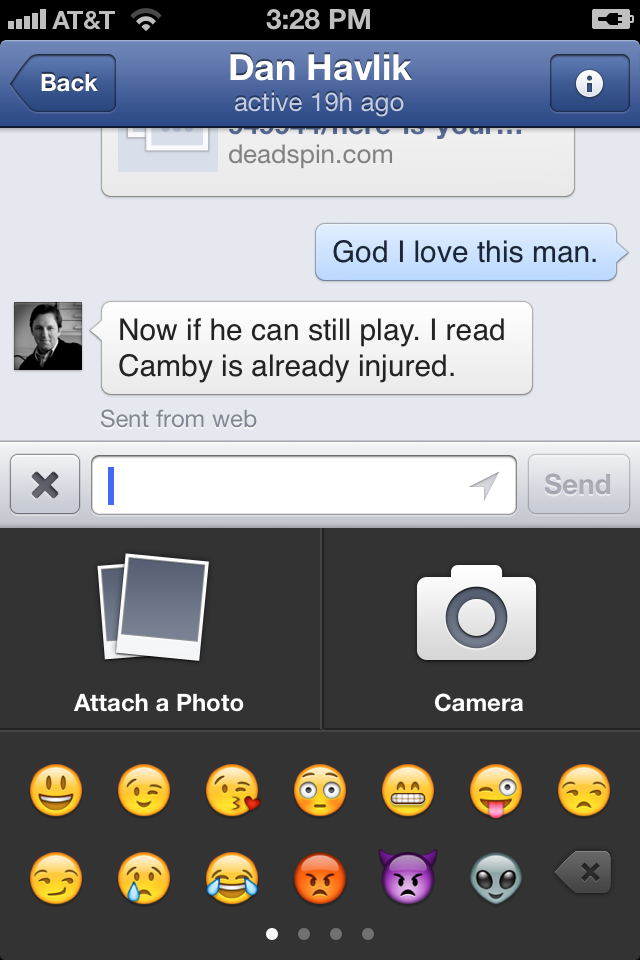
fb emoticonsEmoticons have come along way since we first started using character-number combos to virtually clue others into our feelings. Many messaging apps have started including higher quality, fun options for throwing them into your chats, and Facebook is now doing the same. The social network quietly rolled out a hefty catalog of emoticons that you can add into comments on your friend’s posts this week, although they can’t be published to status updates yet. As for mobile devices, when we tested out the feature on Facebook’s iOS app, the emoticons appeared on the Web app, while it failed to display on the iOS app — however, in Facebook’s Messenger app, there is a + icon that pulls up the new additions. 

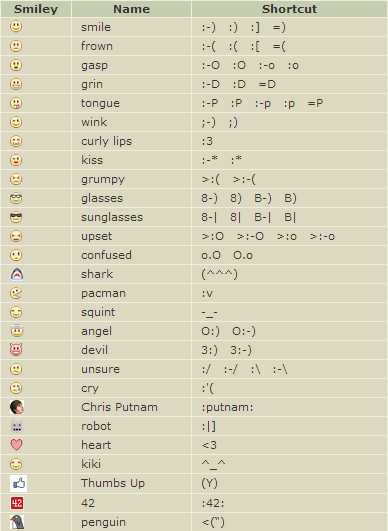
You can check out the full list of Facebook-supported emoticons below or head over to fbsmileys.com.

facebook emoticons

Somebody “Wants” to sue Facebook

want button wantbuttondotcom

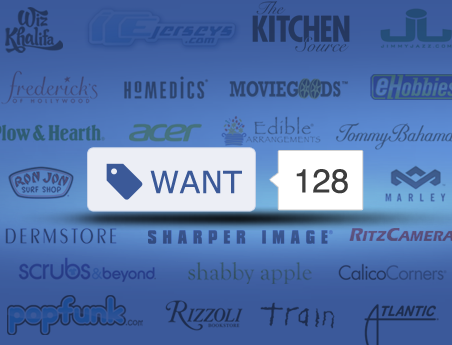
Facebook wasn’t the first to launch a “Want” button, and CVG-SAB, a company based in Michigan responsible for wantbutton.com, is suing Facebook for infringing on the newly announced tool. CVG-SAB’s “Want” button was launched in September 2010 primarily with e-commerce partners like Shopify, and since has grown to boast more than 160 million want-button views. The claim further states that the similarities between the design of Facebook’s button and wantbutton.com’s button are uncanny and already causing confusion among retailers. Wantbutton.com, in fact, offers a Facebook integration, where items that have been wanted appear on a Facebook user’s Timeline. Whether the complaint will hurt Facebook’s upcoming Collections feature remains to be seen — but our gut tells us the brand-boosting mechanism will launch with the Want button intact, lawsuit or no.

Facebook goes globe-trotting

facebook global brand page

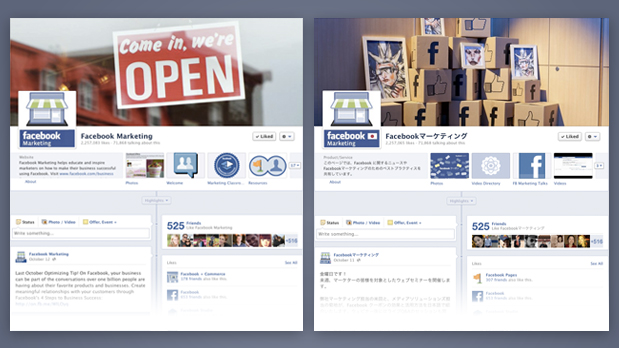
International brands are about to get a boost from the latest Facebook brand page update, which finally rolled out of beta. Facebook was testing international brand pages that can target posts and even languages at the local level. If you live in South Korea, for example, by default you’ll see a Facebook brand page written in the Korean language, as well as geo-targeted Facebook posts that followers from other countries may not be able to see. The update enables companies to manage their brand pages under one roof without resorting to creating multiple accounts or monitoring analytics for multiple pages.

Goodbye, Facebook phone number loophole

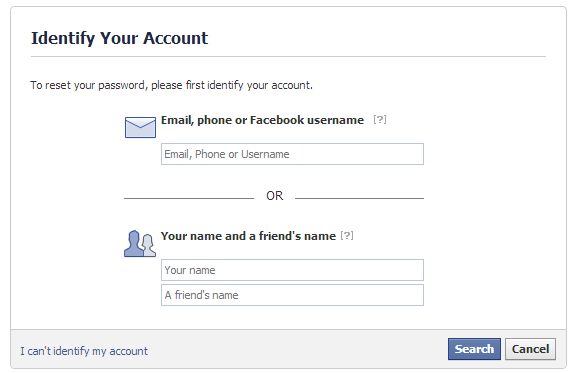
identify account on facebook

You might recall from last week’s privacy-focused roundup an item about Suriya Prakash, who discovered that a reverse-lookup feature could, if abused, easily uncover Facebook account information based on the phone numbers associated with Facebook profiles. Facebook claimed to have patched up the problem by limiting the number of times that someone could search for phone numbers, although Prakash said that these measures were insufficient and easy to work around.

With the realization that anyone could use the reverse phone number lookup feature, find a user’s phone number, and bypass Facebook’s Login Approval system to reset a password, Facebook took precautionary measures this week. Now if you have the two-factor authentication feature set up and have forgotten your password, you’ll be required to input a phone number, email address, or user name. In order to regain access to your account, you will have to use the email address associated with it or create a new one — no more temporary passwords will be sent to your phone.

Reverse-lookups of the same phone number that’s used for password-reset authentications is now blocked off from appearing in Facebook’s search engine. However, if you’ve published your phone number publicly on your Timeline where other users can see it, you won’t be protected. You should be sure the privacy settings here, under “How You Connect,” are no longer set to “Everyone.” 

Facebook fights viruses with free software

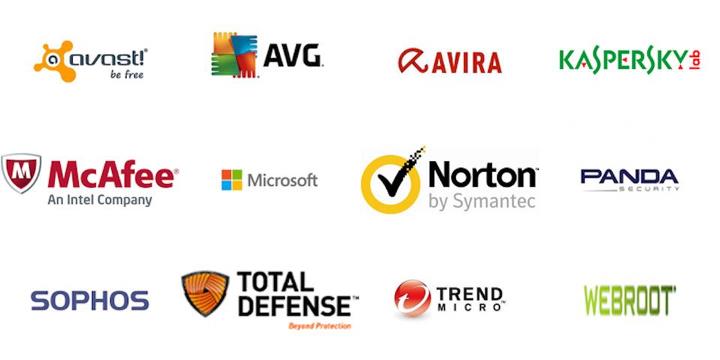
facebook antivirus partners

Facebook’s Anti-Virus Marketplace was launched earlier this year and included free trial subscriptions from partners McAfee, Microsoft, Sophos, and Symantec. This week the social network is added seven additional partners to the Anti-Virus Marketplace including AVG, Avira, Kaspersky, Panda, Total Defense, and Webroot.

The partnership isn’t however just about offering users free services to uncover and get rid of malware and viruses. Facebook is using its anti-virus partner’s data to bolster Facebook’s URL blacklist system, which according to Facebook, “scans trillions of clicks per per day, and before each click, the system consults the databases of all our AV Marketplace partners to make sure the website you are about to visit is safe.” With the inordinate volume of content shared on Facebook, you never know when a malicious site is disguised as a simple URL.


Source : digitaltrends[dot]com

Oct 17, 2012

Aliens—Colonial Marines preview: Structurally imperfect after 5 years

aliens colonial marines release date

Gearbox Software and Sega will release Aliens: Colonial Marines in February 2013, exactly five years after it was first announced to the public. The game's campaign looks promising but its multiplayer lacks magic.

It takes around ten months to release a game to the public. The press and hardcore video game hobbyists usually follow a game from a game’s initial announcement up until it’s release, usually around two years, but for the general public it’s ten months of television, print, and public marketing. Eight prior to the release, when the heaviest early previewing in the press takes place, and then two months following. That’s how good game business is done.

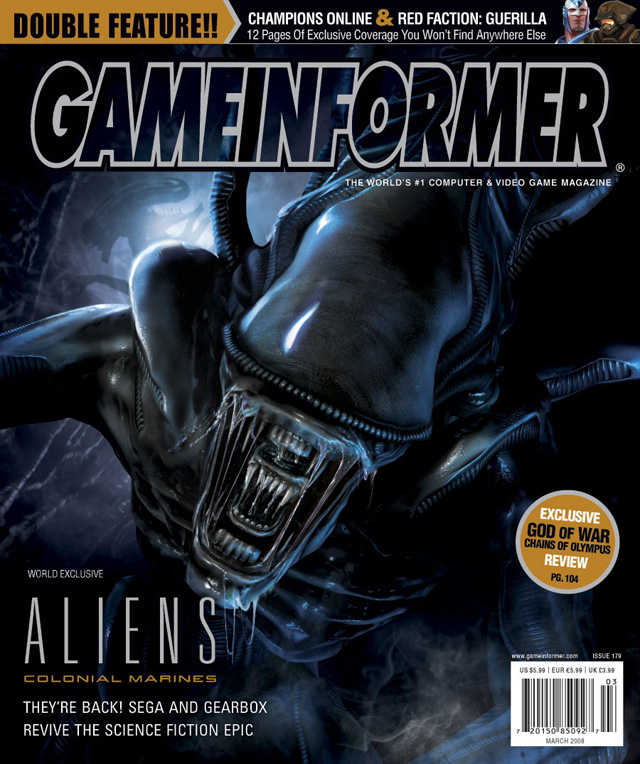
By that metric, Aliens—a collaboration between 20th Century Fox, Sega, and Gearbox Software—has been terrible business. The game was announced via a cover feature in Game Informer magazine in February 2008. It will finally be released in February 2013. That’s not exactly within the proper business cycle. Based on a preview of a beta build of the game at the New York Comic Con last week, it’s hard to say one way or another if the game was worth the wait.

Sega and Gearbox had two samples of the game on hand, a playable version of its xenomorphs versus Marines competitive multiplayer mode and a guided, unplayable look at the early campaign. Of the two, the campaign looked the most promising. Take note: The next passage includes some story spoilers for both the movies and the game, so if you’ve never experienced the Alien series, skip it.

Picking up just weeks after James Cameron’s Aliens, Gearbox’s canonical sequel sees a full battalion of 400 Colonial Marines sent to the ill-fated planet LV 426 to investigate the disappearance of Ellen Ripley and the crew of the Sulacco. Weyland Yutani, the sinister corporation vying to get their hands on the vicious alien species hidden in a derelict spacecraft on the planet’s surface, has covered up the destruction of the LV 426 colony and the deaths of the series’ protagonists, so the Marines are just doing due diligence to find out what happened to the crew. When they arrive at LV 426 though, Weyland Yutani’s private military is already there cleaning up, and they assault the marines looking to keep things quiet. The first level of the game—played second, strangely, during the demo—puts you in control of Marines fighting humans and trying to evacuate from the derelict Sulacco.

Gearbox’s president Randy Pitchford was explaining during the demo that his team decided that the game needed more complex, thoughtful enemies than just the berserker aliens in their game, and the WY forces (seen briefly at the end of Alien 3) were a perfect choice. In the demo shown, they didn’t seem particularly threatening though. While they certainly had mean firepower—the demo player almost died—they didn’t have very cunning AI, they just burst into the room and blasted away in the open. There were moments when both human forces were fending off aliens, but it was very brief, so it’s impossible to tell if those dynamics will be more seriously explored.

aliens colonial marines campaign

The following level demoed was a concentrated dose of fan service, with a fairly steady, atmospheric tour of LV 426’s surface, revisiting many scenes from the film. The Marines’ ground vehicle Ripley crashed outside, the post-meltdown atmospheric reactor, and the medical bay where Ripley and Newt were attacked by larval alien face huggers were all stops on the Old School Express. It was only at the end of the demo that the action picked back up with aliens popping out and trying to snack on the player character.

The game looked good, albeit not as good as these Sega-provided screenshots make it look. Running on beefy PCs, Gearbox’s proprietary engine (a heavily modified version of the Unreal Engine 3 according to Pitchford) rendered a world as dark, wet, and mean as the one in Cameron’s movie. The character models, human and otherwise, looked nice with smooth animation, but at least in the campaign the aliens moved a bit too slowly in some moments. Gearbox stressed, though, that the game is in beta, meaning the content’s all in place but  still being polished. Janky-looking effects, like garish, solid-colored blood spatters from humans and aliens, certainly demonstrate that the game’s delay from fall 2012 was wise.

The competitive multiplayer  justified the delay as well. While the inclusion of competitive multiplayer is expected—not only as a modern necessity as a feature, but also as a tradition in Aliens video games like Aliens vs. Predator—my session made it seem like an after thought. Three types of alien were available for play, two swift soldier classes and a beefy bull-like alien that the player could upgrade to based on performance. Controlling the soldiers aliens was frustrating because it often simply didn’t work. Puling the controller’s trigger should make you stick to a wall to sneak up on unwitting marines, but it didn’t always work. The bull class, meanwhile, was too slow to be useful, lumbering around and only killing the most oblivious opponent. It was hard not to feel like Gearbox would have been better served not making the multiplayer component at all, instead focusing on the campaign. Another multiplayer mode was on hand but I didn’t get a chance to try it to see if it fared better.

Aliens looks like a solid piece of fiction in a rich, established sci-fi universe, but it did not look or feel like a game that’s been in production for five years. The campaign looks promising, but without getting actual hands on time with it, it’s still too early to say it looks good. Here’s hoping Gearbox makes the most of these next few months.


Source : digitaltrends[dot]com

Oct 12, 2012

Outdated apps may rain on Windows Phone 8′s parade

windows-8-app-store

Microsoft has yet to release its software development kit for Windows Phone 8 despite the OS's impending launch, raising concerns that developers won't have time to update their apps.

On October 29, Microsoft will finally tell us everything there is to know about Windows Phone 8, its new mobile operating system. But surely we know everything already, right? After all, we’ve seen the software and all the major manufacturers have announced their hardware too.

Microsoft says it has kept some facts back about WP8 to help maintain anticipation, and revealing those will be part of the October event. Unfortunately, this secrecy has caused Microsoft to delay the release of its Software Development Kit, or SDK, presumably to help avoid thunder-stealing leaks; but the final version is expected to arrive at the end of this month.

However, the wait has angered many Windows Phone developers, as did a decision to allow certain developers limited access to the SDK in return for signing a non-disclosure agreement.

Angry developers without access to the right software could mean problems in the new Windows Phone Store, which will be a worry for anyone wanting to buy one of the new handsets. Windows Phone already lags behind Android and iPhone when it comes to quality apps. Should we be concerned by this delay?

Will app availability be a problem?

A delayed SDK means developers won’t be able to fine-tune, test, or add in additional features to get their apps ready for Windows Phone 8. They also can’t create new apps that take advantage of the new platform. The good news is Microsoft has said Windows Phone 7 apps will be compatible with Windows Phone 8, so every app that’s already in the store will still be available — they just won’t be optimized.

More good news is that those developers with early access are likely to be the big studios, as Microsoft will want to ensure high profile apps have been enhanced to show off the OS’s abilities. Don’t forget, Windows Phone 8 hardware has faster processors and higher resolution screens, so there’s plenty of scope to improve existing apps.

We asked Microsoft representatives if the lack of an SDK would be a problem. Predictably, we were assured that it’s all part of the plan:

“We’ve been quietly previewing the SDK with hundreds of top developers and on September 5 announced a broader SDK Preview Program for registered developers with apps in Marketplace. As usual we aren’t going to release the SDK to the general public until the full OS is revealed, but we feel this Preview Program delivers on the commitment we made in June and allows developers to test and update their apps for Windows Phone 8.”

Regardless of why Microsoft is being secretive, this delay brings us on to the bad news: older apps may not look all that great until they’ve been updated. It looks like some developers have been given the information needed to update, but not all of them. Remember the switch from a 320 x 480 pixel screen on an iPhone 3G/3GS to the iPhone 4’s Retina Display? While it won’t be quite that pronounced, this situation is very similar. The bottom line here is that yes, there will be apps, but most will not be enhanced for Windows Phone 8 in time for release.

Atic S LaunchThere is one more thing to remember, and that’s the October 29 date isn’t the date Windows Phone 8 hardware goes on sale. Due to Microsoft holding back, manufacturers have stayed quiet on when phones will hit stores, with sometime in November being the only word.

Provided the SDK comes out on October 29, then developers will still have a few weeks to play with their apps before you get your hands on a WP8 phone. Let’s hope they work fast.

Microsoft has upgraded it developer portal, promising improvements in the app certification process and overall site performance. Another 13 countries have been added to this list too, bringing the total to 191, and more developers able to sing up means more apps for us.

Is all this normal?

Apple releases different versions of its iOS SDK between the date of its announcement and the date of final release. Not all the versions have every new feature, but they at least allow developers to start work on new apps, or update existing ones. For example, according to this chart, the first iOS 5 beta appeared on June 6 2011, and four subsequent beta versions were released before the final October street date. iOS 6 was similarly released a few months prior to the iPhone 5 going on sale.

Historically, Google has released its SDK a short while after it announces the new version of Android, with 4.1 Jelly Bean’s SDK coming out in July this year following Jelly Bean’s announcement at Google I/O.

The real star at the moment, surprisingly, is RIM (Research in Motion). Despite BlackBerry 10 not appearing until next year (current guestimates hint at March 2013), Beta versions of its SDK are already available to developers, and this week it began accepting app submissions too. It’s even offering an incentive to early bird devs, promising selected apps a prominent position in BlackBerry App World. It looks like it really is lovin’ its developers.

Microsoft’s approach is unorthodox, and does exactly the opposite of RIM’s, as it alienates developers and could potentially annoy buyers when the app selection is sparse. There’s still time to fix this, but Microsoft needs to start soon.

Will it all be OK come release day?

Maybe. Microsoft has dug itself a hole with the handling of Windows Phone 7. No one running a WP7 device will be able to upgrade to Windows Phone 8, making the old OS and hardware completely obsolete. Developers want to turn their attention to the new version, but are being hampered by Microsoft’s desire to keep things “secret.” RIM is often ridiculed, but it knows how important it is to keep developers working on its platform.

The first thing any new Windows Phone 8 owner will do is check out the available apps in Microsoft’s Windows Phone app store. If the selection is poor, or the version available is for outdated hardware, that negative experience will spread — fast. Worse, experienced smartphone buyers are already used to Google Play and/or the iTunes App Store, which are full of good apps.

Microsoft needs Windows Phone 8 to have a more successful launch that Windows Phone 7, and is playing with fire by denying developers access to the WP8 SDK right now. Or, for all we know, the software has problems and isn’t finished, requiring last minute adjustments. If it’s the former, the reasoning is bizarre but not unforgivable provided the secrets are truly exciting; but if it’s the latter, then Microsoft has got bigger problems to worry about than a software developer kit.


Source : digitaltrends[dot]com

Sep 25, 2012

Adobe upgrades Photoshop Elements to version 11, offers new bundles with Premiere Elements

Adobe today released an update to its Elements and Premiere Elements applications, bringing their version number to 11.

The software is lighter than Photoshop but still pretty powerful. In addition Adobe will offer a discounted bundle of the two services – $150 for new customers and $120 for updating ones.

Photoshop Elements 11 comes with a refreshed UI, the same engine as Photoshop, one-click editing, photo organizing based on people and places, new filters and three editing options for every taste – Quick, Guided and Expert.

Photoshop Elements 11 will put an emphasis on image editing, while Premiere Elements is focused on making home movies look a whole lot better.

Premiere Elements will include new effects, transitions, themes, etc. There’s also an integrated video sharing with Vimeo.

If purchased separately the two products will cost $100 each. Upgrading users will have to shell out $80 for each.


Source : blog[dot]gsmarena[dot]com

Sep 17, 2012

Google’s acquires Nik Software, and iOS photo app Snapseed

google nik software

With Google scooping up Nik Software and its iOS app, Snapseed, Google Plus users might be seeing some dramatic changes to the way we publish images on the social network.

Facebook has an emerging competitor in the wake of the Instagram acquisition. Google has acquired Nik Software, a 17-year-old company that develops digital image editing tools. But there’s a catch: A report from TheVerge says that the acquisition’s motivation was so that Google can get its hands on Snapseed, an iOS photograph app.

The acquisition should bring the coveted photography-based mobile reach (a huge motivation for Facebook’s acquisition of Instagram) to Google’s social network, Google+. Like Instagram, Snapseed adds a vintage flair to your photos, although it also has comprehensive in-app photo editing functions and photo-altering filters including tilt-shift effects. It was also an iOS first app – Snapseed started out as an iPad app and followed up with an iPhone app launched in August 2011. The differences lie, of course, in the fact that the number of Snapseed users is dwarfed by Instagram’s user base. In Snapseed’s latest figures (released in the middle of June), Nik Software revealed said it had amassed more than nine million users. It’s defintiely a far cry from Instagram’s 100 million users.

Currently Snapseed claims the spot of the 13th top paid app in the photograph genre in Apple’s App Store (it costs $4.99) and the 178th top grossing app, according to Appdata

Snapseed may not have the largest number of users, but is has a decent reputation and Google now also has unprecedented access to Nik Software’s product line of photography software that typically runs for just under $100 dollar to upwards of $300. We could see Google wrapping Nik Software products into improving photos and maybe even videos on Google+. 

In a Google Plus post by Vic Gundotra, the Senior Vice President of Engineering at Google, the acquisition was confirmed and corroborated by the official announcement by Nik Software. “We are pleased to announce that Google has acquired Nik Software. For nearly 17 years, we’ve been guided by our motto, ‘photography first,’ as we worked to build world class digital image editing tools. We’ve always aspired to share our passion for photography with everyone, and with Google’s support we hope to be able to help many millions more people create awesome pictures,” said Gundotra.

What hasn’t been announced yet is whether Snapseed would continue to live on iOS devices, although we can’t see why that wouldn’t be the case. Of course launching the Android app will be a major priority for Google. We checked out Snapseed’s site, and noticed that the Android app was in the works and will only work on operating systems running the Android OS 4.0 (Ice Cream Sandwich) version or later.


Source : digitaltrends[dot]com

Sep 12, 2012

Windows Phone Store is the new name of the Marketplace

Microsoft has officially scrapped the Windows Phone Marketplace, folks. The new go-to place for the software giant’s mobile OS applications will be called Windows Phone Store from now on.

Along with the new name, Microsoft has introduced several improvements to the Windows Phone Store. They include better search functionality powered by Bing, as well as overhauled app lists. The latter include Top Free, Top Paid, as well as New + Rising categories. The new application lists will only be available at the Web Store for now. They are however, expected to hit upcoming Windows Phone devices.

The changes have already landed in Australia and New Zealand. The rest of the world is bound to follow in the coming weeks.


Source : blog[dot]gsmarena[dot]com

Sep 10, 2012

Minority Report alert: FBI launching $1 billion face recognition project

fbi face scanning minority report

The FBI is creating its own photo database. And you thought Facebook's face scanning system was scary.

A little over a year ago, Facebook introduced face recognition software to the masses when it included the feature in its photo uploading process. And the masses, as you may assume, didn’t react all that well. There was plenty of conspiracy theory and privacy-concerned backlash, which died down as soon as everyone started talking about how the service was opt-in only. Since then, the feature has faded into the background and taken its rightful place among other Facebook-announcements-that-cause-us-to-wield-pitchforks-for-a-week-but-then-everyone’s-over-it.

But now, concerns over consumers’ image privacy have been resurrected by a billion dollar FBI project. According to New Scientist, the Federal Bureau of Investigation is launching a $1 billion effort called the Next Generation Identification (NGI) program, which will use face detection as well as “biometrics such as iris scans, DNA analysis, and voice identification to the toolkit.” The system is already being ushered in, as some states have started uploaded images (currently it sounds as if this is limited to mugshots); it’s expected to be implemented nationwide by 2014.

As all things start, intentions are good: Such highly accurate identification systems would be used to focus on criminals faster, result in quicker arrests, and potentially stop illegal activity before it happens. Of course, all of that sounds incredibly Minority Report-ish – including this example use:

“Images of a person of interest from security cameras or publics photos uploaded onto the Internet could be compared against a national repository of images held by the FBI. An algorithm would perform an automatic search and return a list of potential hits for an office to sort through and use as possible leads for an investigation.”

While current states that have participated in the pilot program have been uploading mugshots for the NGI, it’s uncertain whether this will eventually extend to include all of our images. In fact, New Scientist pointedly asked the FBI this question and no response was given.

In case it isn’t clear enough, what we very possibly have in the works here is a national civilian photograph database. Right now, the FBI hasn’t reached that far, but it’s very easy to assume it will – and it’s all legal under the US Privacy Act.

Before you start pointing fingers at Facebook and user-facing (pun intended) face recognition software companies out there (think Face.com – now Facebook-owned – and Lambda Labs), consider the amount of state and federal operations that have your images. Your license, your passport, your public transportation ID… it goes on and on. If the government wants to harness image identification, it can and it will, and it won’t have to rely on social networks for help. That said, our increasing comfort with putting our likenesses all over the Internet is only making it easier for this type of system to be enacted. 


Source : digitaltrends[dot]com

Sep 5, 2012

Are You Monitoring Your Mac Computer?

Macs are known for being impervious to viruses, unlike their PC counterparts, which are vulnerable to all types of malicious software without the right anti-virus protection. However, this added protection often lulls many Mac users into being complacent when it comes to taking security measures to protect their computer and its contents. Although Apple operating systems are less susceptible to spyware, adware, and other malicious programs, they can be abused by unscrupulous or unrestricted users. You should consider the benefits of remotely monitoring your Mac if you fit into one of the following stereotypes:

The Busy Businessman

As a multitasking businessman it can be easy to forget to power down your Mac before leaving the office. With a remote monitoring service/app you can easily access your Mac from anywhere you can connect to the internet, on any device that can load a conventional web browser – including smartphones and tablets. You can even remotely log out of your user account, view and kill active processes, or shut down the computer altogether. This makes it easy to keep unwanted eyes from prying into your business data. Furthermore, you can remotely view, download, modify, and use files/programs that are stored on your Mac, so you can have the office computer with you wherever you go.

The Protective Parent

Remote monitoring takes your parental control capabilities to the next level. Instead of simply setting up web filters that may or may not block all forbidden content, you can actually view a child’s activity in real-time or review detailed logs of past activity complete with screenshots that you can set to be taken at custom intervals. Using remote monitoring apps/services in combination with parental control filters is the best way to ensure that your children are protected from inappropriate content while browsing the internet. Also, you’ll no longer have to worry about whether your kid has actually been doing their homework or watching YouTube; you can view all of the programs/windows they’ve opened, see how long they were used, and quickly discover any files that were created or modified.

The Demanding Techie

Web designers, software developers, programmers, and other online service providers often own and manage more than one computer and/or operating system. Most techies have a smartphone, netbook, or tablet that they use to compute while on-the-go, but still need to have access to important files, emails, and applications that are stored on their home/office computers. Advanced software tasks can sometimes take hours to complete, and it’s nice to be able to check up on the progress of operations while you’re away from the Mac. In addition, with the ability to remotely use your Mac’s processing capabilities and RAM you can launch and operate resource-intensive programs through the web browser of the device you’re using to connect to the online control interface, essentially giving your mobile device the computing power of your Mac. Remote Mac monitoring should be utilized by any techie that simply can’t afford to be away from their main powerhouse computer for too long.

Author Bio: Toby Keszler is a part-time blogger, mobile tech enthusiast, and currently blogs for SniperSpy MAC Monitoring Software, a cutting-edge app that allows you to easily monitor your Mac computer.

Tags: Computer Monitor, Computer Monitoring, Computer Security, Mac Computers

Source : techtalkafrica[dot]com

Aug 31, 2012

Top 6 Free Phone Anti Theft Locator Apps for Andorid

Security has become one of the most important issues for smart phones. This articles features software that ensure the security of an Android phone.

With the advent of internet and technology the more we are getting dependent upon latest gadgets and electrical and electronics devices the more we are becoming insecure and vulnerable. Privacy and security have become the most important issues in all types of platforms be it mobile phones or computer and internet.

Especially with the recent development of Android OS various types of scams, crimes, hack, and thefts have shown their faces to the people like us who use smart phones. Smart phone is a kind of device where we store most of all our important data such as bank details with passwords, phone numbers and lots of valuable information which are needed to remain top secret.

But Android OS launched by Google comes with a few advanced applications that help the users to keep themselves safe from identity theft. Though these software cannot give you 100% safety but still they at least try their best to keep your phone safe.

Following are some of the best anti theft application developed by Google exclusive for the Android operating systems and the smart phones that run solely on Android platform:

AVG Anti-theft

This application is as effective as anti malware or antivirus software. It can keep all the data of your smart phone secure and hidden so that nobody can access them unless and until you allow them. This app also allows you to track your phone with the help of Google maps in case t gets stolen.

Avast mobile Security

This application offers the all round safety to your android phone. It is a bit different from the traditional antivirus and security software as it does not distinguished between a free and a premium user. Once the device gets rooted this software installs a new set of creative and exciting features.

Though the most of the features are quite similar to that of those security or antivirus software but it has some exclusive features such as remote control, anti theft, stealth mode firewall and many more which have made it class apart. Firewall which works like a gatekeeper can only start working once the device gets rooted. Anti theft is a hidden application which can give you the remote control through SMS.

Lookout security

This is one of the most reputed applications that offer the best Android security. It is included with a lot of exciting and updated features such as backup and restore, anti malware and antivirus scanner and anti theft. The trial version which comes for free includes the features as follows:

Find my phone: It facilitates you with the feature of locating your phone through Google maps in case it gets stolen. You can activate the loud alarm system when our phone is in silent mode and log in into mulookout.com to find our phone with the help of any web browser.

Security: The powerful security app carefully screens all types of files to protect your phone from spyware, malware and viruses.

Backup and restore: It takes a backup of all your data and contact safely and then restores when needed.

Norton Security: Though famous for its security features Norton specially developed an antitheft application for Android devices that gives all round protection.

NQ mobile security: It is an interesting security software that apart from offering anti theft security also helps in managing the other apps and optimizing the phone and network etc.

UnTouchedMe Free Antitheft security: This is one of the best anti-theft software that offers the complete round the clock protection to the smart phones.

These are the few anti theft software which are easily available and developed exclusively for Android OS.


Source : techtalkafrica[dot]com

Aug 9, 2012

Team Fortress meets The Matrix in ‘The Matrix Remaked’

If there was one thing missing from The Matrix, it was Valve Software's colorful cast of characters.

If you’re reading this site we feel safe in assuming that you have fond memories of the Wachowski siblings’ 1999 cyberpunk-meets-kung-fu epic The Matrix. Sure, its sequels couldn’t live up to the intensely high bar of quality set by that first movie, but they’re not at all relevant to this story, so for the next few minutes you all have permission to forget they exist.

Getting back to things we’re assuming about you, we also see it as quite likely that you are a fan of the games created by Valve Software. Whether you prefer the co-operative survival horror of the Left 4 Dead series or the wacky, colorful multiplayer shooter action of Team Fortress, the developer offers something for everyone, and in the relatively short time it has been producing games Valve’s various characters have become iconic figures in the world of gaming.

Now, thanks to the efforts of an amateur filmmaker using the YouTube handle “LiveCurious95,” these two disparate yet delicious flavors have come together in one surprisingly excellent vignette, dubbed “The Matrix Remaked.”

Using Valve’s free Source Filmmaker software, which allows users to create films using any assets from games built on Valve’s Source game engine (read: every game the company has released since Half-Life 2), Mr. or Mrs. LiveCurious95 has recreated the famous scene from The Matrix in which Neo and Trinity attempt to rescue Morpheus from a group of Agents who have been interrogating him in a high-rise office building. In case you’re unfamiliar with this moment in cinematic history, here’s the original version starring Keanu Reeves, Laurence Fishburne, and enough CGI to suspend any disbelievers dozens of feet above the ground.

The really neat bit though is that instead of just rebuilding the scene using models of the actors from the film, The Matrix Remaked is populated entirely by Valve’s famous characters. Morpheus is portrayed by Team Fortress 2′s cyclopian Demoman, the Agents are all Medics and Neo and Trinity are played by Left 4 Dead 2′s Nick and Rochelle, respectively. Though the clip is backed by audio samples directly from The Matrix, all of the animation has been created in Source Filmmaker and while it’s not entirely uncommon to see a popular film being recreated within a video game engine, it’s not often that we see an attempt as successful as this one.

We’ve embedded the entire clip below for your convenience, and we urge you all to watch it. Even those of you who’ve never seen The Matrix before. Watch the original version linked above, then hit play on the video below and marvel at how utterly spot on this fan-made movie is when directly compared to its source material. We’d like to offer equal propers both to Valve for giving its devoted fans such a powerful piece of movie making software, and to LiveCurious95 for giving us a chance to revisit one of the best movies of the 90s.


Source : digitaltrends[dot]com

BlackBerry Monitoring Software: 4 Types of Friends Your Child Shouldn’t Have

Many parents refuse to use BlackBerry monitoring software because they have complete trust in their children. And I understand it. That’s the kind of relationship that you want to have with your son or daughter, the type where you’ve always taught him or her right from wrong so that you don’t have to be a helicopter parents, hovering over your child making sure that nothing’s wrong. I think those parents should be proud of their accomplishment.

However, a lot of times, the problem is not your child, but one of his friends or even an acquaintance. After all, all it takes for something to happen is just one person that is too stupid / irresponsible / lazy / stubborn. For example, even if your child doesn’t drink, one of his friends who does might decide to give him a ride to your home.

Anyway, you can now use BlackBerry monitoring software to know exactly the type of friends your child has, and I hope it’s none of these.

a) The drinker.

I bet you saw this one coming. The drinker is by far the most dangerous one, not because he drinks, but because he tends to drink and drive. And car accidents are by far the number one cause of deaths for teenagers.

b) The dare pusher.

Teenagers often dare each other to do something. If they were more mature or if they knew better, they would realize it’s not worth do so something just to impress some guys or girls that will be irrelevant in three years. And while some of those dares are harmless, like calling a girl and telling her that you like her, others can be quite dangerous, such as insulting and picking a fight with someone.

c) The drug user.

I remember the time where drugs were used only by hippies in basements and concerts. Unfortunately, it’s not the case today. There are many young people who use drugs in a constant basis. If one of your child’s friends does, you have to know about it.

d) The bad company.

This one is actually a sort of all-encompassing general term for those type of people that you really dislike and that you don’t want your child to hang around with. For example, a kid who says racial slurs, or one that tells comments that denigrate women, or a girl who uses sex to get the attention of boys, etc. The exact type will vary according to your values and your idea of right and wrong.

Final Thoughts

We can’t be next to our teenagers 24 hours a day, 7 days a week, and even if we could, it wouldn’t be healthy. However, we can use BlackBerry monitoring software and find out who they are hanging with. And if it’s someone we don’t want near our children, we can do something about it. 

Author Name: Brian Coulter

About The Author:

Brian Coulter is a Latest Mobile Technology enthusiast and author of Blackberry Spy Software. Brian also writes about exciting and informative discoveries on mobile development.


Source : techtalkafrica[dot]com