Pages

Showing posts with label windows. Show all posts

Nov 19, 2012

DT Daily: Wii U hits stores, Apple patents turning pages

Like 0
0
0
More
0
0
0

Windows Phone 8 devices are having reboot issues, the FBI nabs iPad Mini thieves, Mars may be safe for humans, Apple patents the page turn, the Wii U hits shelves across America, and Google accidentally kills Christmas.

Related Links:


Source : digitaltrends[dot]com

Nov 14, 2012

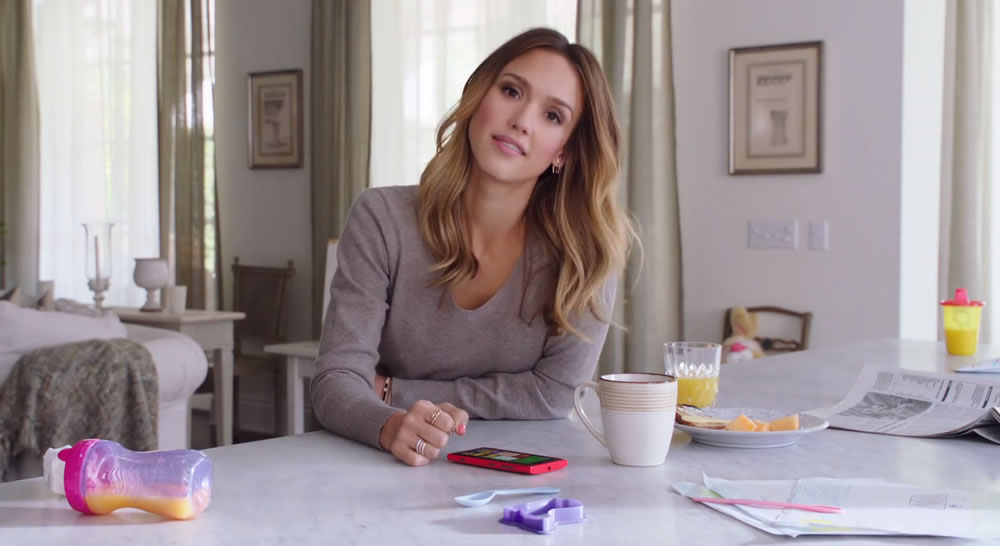
Microsoft launches Windows Phone ad blitz with Jessica Alba, Gwen Stefani

jessica alba windows phone

In an attempt to use the power of celebrity endorsements to promote the Windows Phone, Microsoft has rolled out new ads featuring prominent women.

Taking an aggressive approach with the promotion of the Windows Phone platform, Microsoft has launched two new advertisements starring actress Jessica Alba and No Doubt musician Gwen Stefani. Airing during primetime television tonight on commercial breaks within ABC’s Modern Family and NBC’s The Voice as well as late night talk show Jimmy Kimmel Live, the two advertisements highlight different ways that the Windows Phone platform has changed their daily life. The 33-second spot with Jessica Alba features the Nokia Lumia 920 and is co-branded with AT&T. However, the 32-second Gwen Stefani advertisement features the 8X by HTC and splashes the Verizon Wireless logo on the screen.

Gwen Stefani Windows PhoneDuring the Jessica Alba spot, Microsoft is attempting to promote the use of the Kid’s Corner feature since young children like to play games on their parent’s smartphones. Similar to Netflix’s Just for Kids section, Kids Corner on the Windows Phone acts as a parental filter.

After Kid’s Corner is launched, it’s impossible for a child to access text messages, emails or other important areas of the phone without a password. In addition, parents can populate the Kids Corner with approved applications such as entertaining games, learning programs or other fun apps for young children. Kids can also listen to approved music through the Kids Corner interface as well as personalize the background. 

Alternatively, Microsoft is trying to highlight the usefulness of the Windows Phone platform for busy working women during the Gwen Stefani ad. Since early adopters of smartphones tend to be both men and women these days, Microsoft is clearly going after the female demographic for the opening round of Windows Phone ads. Ads featuring male celebrities are in the works though. According to Ad Age, two more advertisements will follow later in November featuring Saturday Night Live alum Andy Samberg as well as Carolina Panthers quarterback Cam Newton. 


Source : digitaltrends[dot]com

Verizon considering adding free Windows Phone 8 device to its line-up

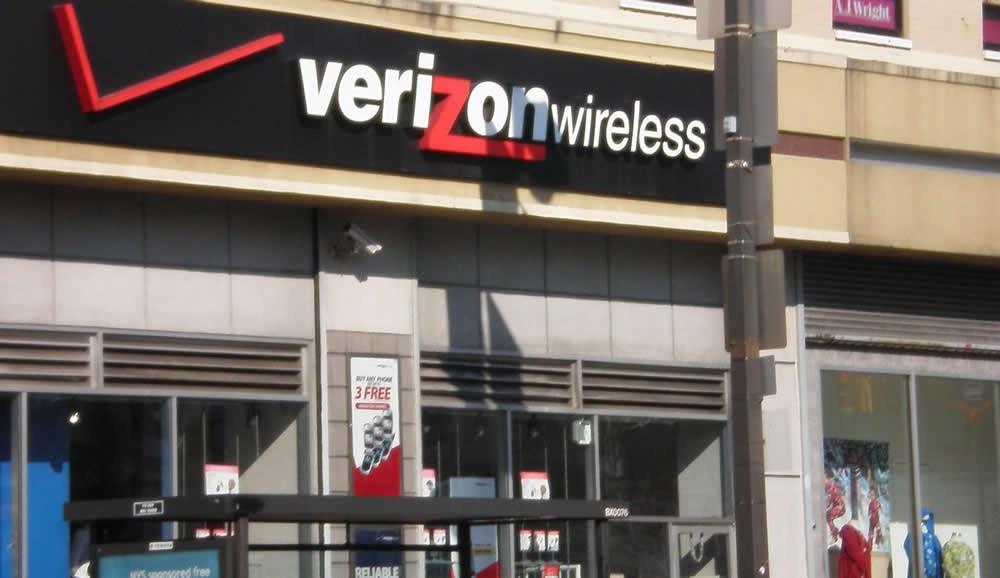
verizon storefront

Verizon could be planning to introduce a free Windows Phone 8 device to its line-up of smartphones, potentially made by Samsung, as it continues to put its weight behind Microsoft's new operating system.

Verizon never really took to Windows Phone 7 and last year offered just one phone with Microsoft’s operating system onboard. This has changed with the introduction of Windows Phone 8 though, as the carrier has already announcing two devices — the exclusive Nokia Lumia 822 and the HTC 8X — and according to a new report, a third is on the way.

Rather than add another high-end Windows Phone, Verizon may be looking in the opposite direction, and could introduce a free Windows Phone 8 device soon. This comes from Verizon’s marketing officer Tami Erwin, who spoke to TheVerge.com this week, saying “there will be a $99 and a $199 option, and ultimately before the end of the year we will have a device that comes in at the free price point.

We already know the Lumia 822 is the $99 option, and the HTC 8X costs $199, so what device will Verizon choose as its entry-level handset? The Samsung Ativ Odyssey is the obvious choice, as it has already been partially confirmed for the network after making an appearance during the Windows Phone 8 launch event.

The Odyssey is rumored to be a re-branded Samsung Ativ S, but as this is far from a basic phone, it’s unlikely to be made available for free. So, either the spec will be completely different, or another phone will take its place.

Samsung Marco

There could also have been a change of plan at Samsung. Back before Windows Phone 8 was fully revealed, there were two Samsung Windows Phone 8 devices rumored — the Odyssey and the Marco. The names of which became known as part of the documents released during the Apple/Samsung legal battle taking place at the time.

The specs put the Odyssey with a 4.65-inch screen and an 8-megapixel camera, and the Marco with a more modest 4-inch screen and a 5-megapixel camera, although both featured Qualcomm’s 1.5GHz dual-core processor. A tweet from @evleaks, the account responsible for the leaked Odyssey image, states the phone may be the Marco after all.

If so, this puts the phone in the same category as the HTC 8S. As HTC’s second Windows Phone has yet to appear on any US or UK networks, it’s difficult to compare prices, but the SIM-free cost is half that of the 8X.

There’s also a chance Verizon may chose Huawei’s Windows Phone 8 device, which has yet to be announced but will almost certainly be cheap when it does eventually surface. Although Verizon hasn’t really worked with Huawei yet, the Chinese manufacturer indicated a deal with Verizon was “happening” during an interview in October.

A free Windows Phone 8 device could be quite a big deal, not only for Verizon, but for Microsoft too. At the moment, neither AT&T and T-Mobile list a free WP8 device, and Microsoft needs a cheap option if it’s to effectively combat Android.

Earlier this year, Verizon’s CFO Fran Shammo said the network viewed Windows Phone 8 as a “differentiator,” and planned to help the OS become a “strong” third software competitor to iOS and Android. Offering its customers a free phone (with a contract, of course) would certainly be an important step in that direction.


Source : digitaltrends[dot]com

Nov 8, 2012

HTC Windows Phone 8X battery life test concludes, results are inside

Microsoft’s latest mobile OS is getting ready for prime time and the ailing HTC is marketing its Windows Phone 8X as the “signature” Windows Phone 8 handset. We already reviewed the 8X, now it’s time to see how long it lasts in our battery test.

The HTC 8X has an 1800mAh Li-Ion battery and a Qualcomm Snapdragon MSM8960 chipset – virtually the same specs as AT&T’s One X, expect for the smaller screen (4.3″ vs. 4.7″).

During the call test, the screen is off, so it’s not a factor and the HTC Windows Phone 8X actually manages to beat the One X (which is sold as One XL outside the US). It also beats the Tegra 3-based One X, the Samsung Galaxy S III and the iPhone 5. Good start for the 8X.


Talk time

  • Motorola RAZR MAXX (ICS)
    21:18
  • Motorola DROID RAZR MAXX
    20:24
  • Motorola RAZR i
    20:07
  • Samsung Galaxy Note II N7100
    16:57
  • LG Optimus G
    15:30
  • Huawei Ascend P1
    12:30
  • Samsung Galaxy Note
    12:14
  • Samsung I8530 Galaxy Beam
    11:58
  • HTC Windows Phone 8X
    11:07
  • Samsung Wave 3 S8600
    11:07
  • HTC One X (AT&T, LTE)
    10:35
  • Samsung I9300 Galaxy S III
    10:20
  • Samsung I9300 Galaxy S III (JB)
    10:15
  • HTC One V
    10:00
  • Meizu MX 4-core
    10:00
  • HTC One X
    9:57
  • HTC One S
    9:42
  • Samsung I9103 Galaxy R
    9:40
  • HTC Sensation XL
    9:30
  • Nokia Lumia 710
    9:05
  • Motorola Atrix HD
    9:04
  • HTC Vivid
    9:02
  • HTC Rhyme
    8:48
  • Apple iPhone 5
    8:42
  • LG Optimus 3D Max P720
    8:42
  • Sony Ericsson Xperia neo V
    8:41
  • Meizu MX
    8:39
  • Samsung Galaxy S II
    8:35
  • Samsung Galaxy S Duos
    8:28
  • Nokia Lumia 800
    8:25
  • Samsung Galaxy Nexus
    8:23
  • HTC Desire V
    8:20
  • Samsung Captivate Glide
    8:20
  • Sony Xperia T
    8:15
  • HTC Rezound (LTE)
    8:10
  • Samsung Galaxy Note (LTE)
    8:02
  • LG Optimus Vu
    7:57
  • LG Optimus 4X HD
    7:41
  • Apple iPhone 4S
    7:41
  • Samsung i937 Focus S
    7:25
  • HTC Evo 4G LTE (LTE)
    7:21
  • Samsung Galaxy S Blaze 4G
    7:14
  • Sony Xperia acro S
    7:09
  • Samsung Rugby Smart I847
    7:09
  • Sony Ericsson Xperia Pro
    6:57
  • Nokia N9
    6:57
  • HTC Radar
    6:53
  • Samsung Galaxy Ace Duos
    6:53
  • BlackBerry Curve 9380
    6:52
  • Samsung Galaxy Pocket
    5:54
  • Nokia Lumia 900 for AT&T (LTE)
    5:53
  • Sony Xperia ion LTE
    5:52
  • Sony Xperia P
    5:33
  • Nokia 808 PureView
    5:16
  • LG Nitro HD (LTE)
    5:16
  • HTC Titan II (LTE)
    5:10
  • BlackBerry Bold 9790
    5:00
  • Pantech Burst
    4:46

Next up is web browsing and with a time of 6 hours, the Windows Phone 8-powered 8X manages to beat its Android cousin. The screen size makes a big difference here, though. The HTC Windows Phone 8X is the top half of the table, but lags the best in the category by a pretty wide margin.

Web browsing

  • Apple iPhone 5
    9:56
  • Motorola RAZR MAXX (ICS)
    9:12
  • Samsung Galaxy Note II N7100
    8:48
  • Motorola DROID RAZR MAXX
    7:23
  • HTC Radar
    7:17
  • Motorola RAZR i
    7:06
  • Apple iPhone 4S
    6:56
  • HTC One V
    6:49
  • Motorola Atrix HD
    6:40
  • BlackBerry Curve 9380
    6:40
  • Samsung I9300 Galaxy S III (JB)
    6:27
  • Samsung i937 Focus S
    6:15
  • HTC Windows Phone 8X
    6:01
  • Sony Xperia ion LTE
    5:56
  • Samsung Rugby Smart I847
    5:53
  • Pantech Burst
    5:51
  • Samsung Galaxy S Blaze 4G
    5:45
  • HTC Desire V
    5:44
  • HTC Evo 4G LTE
    5:41
  • Samsung Wave 3 S8600
    5:34
  • Sony Xperia T
    5:33
  • Samsung Captivate Glide
    5:33
  • Samsung I8530 Galaxy Beam
    5:28
  • Samsung Galaxy Note LTE
    5:24
  • Samsung Galaxy S Duos
    5:23
  • HTC Sensation XL
    5:20
  • Meizu MX 4-core
    5:19
  • Samsung I9300 Galaxy S III
    5:17
  • Sony Xperia acro S
    5:16
  • HTC Rezound
    5:16
  • LG Optimus G
    5:15
  • HTC Rhyme
    5:08
  • Samsung I9103 Galaxy R
    5:07
  • HTC One X (AT&T)
    5:03
  • Sony Ericsson Xperia Pro
    4:50
  • LG Optimus Vu
    4:49
  • HTC Vivid
    4:46
  • Samsung Galaxy Ace Duos
    4:45
  • Meizu MX
    4:35
  • Nokia N9
    4:33
  • Samsung Galaxy S II
    4:24
  • Sony Ericsson Xperia neo V
    4:20
  • HTC One X
    4:18
  • Nokia 808 PureView
    4:14
  • LG Optimus 3D Max P720
    4:10
  • Nokia Lumia 900 for AT&T
    4:10
  • Nokia Lumia 800
    4:07
  • HTC Titan II (LTE)
    4:05
  • HTC One S
    4:03
  • BlackBerry Bold 9790
    4:02
  • LG Nitro HD
    4:00
  • LG Optimus 4X HD
    3:59
  • Sony Xperia P
    3:59
  • Nokia Lumia 710
    3:51
  • Samsung Galaxy Pocket
    3:47
  • Samsung Galaxy Note
    3:35
  • Huawei Ascend P1
    3:23
  • Samsung Galaxy Nexus
    3:01

In our third test, video playback, the HTC Windows Phone 8X matched the score of the One X for AT&T. On the other hand the droid has a 0.4″ bigger screen, so the WP8 handset was expected to do better.

Video playback

  • Motorola RAZR MAXX (ICS)
    16:35
  • Motorola DROID RAZR MAXX
    14:17
  • Samsung Galaxy Note II N7100
    11:27
  • Apple iPhone 5
    10:12
  • Samsung I9300 Galaxy S III
    10:01
  • Nokia 808 PureView
    9:53
  • Samsung I8530 Galaxy Beam
    9:42
  • Samsung Rugby Smart I847
    9:34
  • HTC One S
    9:28
  • Samsung I9300 Galaxy S III (JB)
    9:27
  • Apple iPhone 4S
    9:24
  • HTC Evo 4G LTE
    9:07
  • Nokia N9
    8:40
  • Samsung Galaxy Note
    8:25
  • Motorola RAZR i
    8:11
  • Samsung Galaxy S II
    8:00
  • Samsung i937 Focus S
    7:55
  • Samsung Wave 3 S8600
    7:52
  • Sony Ericsson Xperia neo V
    7:45
  • Huawei Ascend P1
    7:38
  • Samsung Galaxy S Blaze 4G
    7:33
  • Samsung Galaxy Note LTE
    7:30
  • LG Optimus G
    7:16
  • Meizu MX 4-core
    6:33
  • HTC Windows Phone 8X
    6:27
  • HTC Desire V
    6:26
  • HTC One X (AT&T)
    6:26
  • Samsung Galaxy Ace Duos
    6:25
  • LG Optimus Vu
    6:23
  • Samsung I9103 Galaxy R
    6:21
  • HTC Sensation XL
    6:12
  • Samsung Galaxy Pocket
    6:06
  • Samsung Captivate Glide
    6:04
  • Sony Xperia ion LTE
    6:03
  • Samsung Galaxy Nexus
    6:02
  • Sony Xperia T
    6:01
  • Motorola Atrix HD
    6:01
  • HTC Vivid
    6:00
  • HTC Radar
    5:54
  • Nokia Lumia 800
    5:52
  • HTC Titan II
    5:50
  • BlackBerry Bold 9790
    5:47
  • HTC One X
    5:45
  • Sony Ericsson Xperia Pro
    5:44
  • Sony Xperia acro S
    5:38
  • Pantech Burst
    5:38
  • Meizu MX
    5:27
  • HTC Rhyme
    5:23
  • HTC One V
    5:20
  • Nokia Lumia 900 for AT&T
    5:18
  • BlackBerry Curve 9380
    5:09
  • HTC Rezound
    5:03
  • Samsung Galaxy S Duos
    4:30
  • Sony Xperia P
    4:30
  • LG Nitro HD
    4:17
  • LG Optimus 4X HD
    4:14
  • LG Optimus 3D Max P720
    3:28
  • Nokia Lumia 710
    3:27

The HTC Windows Phone 8X is showing slightly above average performance so far, but the truth is it has a serious issue – standby power usage. We re-ran the test and the result came out the same – if you leave the 8X in the drawer with 3G and Wi-Fi on, the battery will drain completely in 59 hours.

We calculated an endurance rating of 31 hours – that is the time you go from 100% battery charge to 0% if you do an hour each of talking, browsing and watching videos every day. You can read more about how we do battery tests here.

Basically, the HTC 8X won’t last very long whether you use it or not. It will loose a good 12% while you’re sleeping, so you best remember to switch Wi-Fi off before going to bed.


Source : blog[dot]gsmarena[dot]com

Nov 7, 2012

Browsing with Chrome now gets you longer battery life

The latest stable release of the popular Chrome for Windows browser from Google now has full GPU acceleration enabled for video decoding.

Dedicated graphics chips draw considerably less power than CPUs when watching videos, which means that your laptop will last that much longer.

In Google’s own tests, with GPU video acceleration enabled the battery lasted 25% longer when watching 1080p videos on YouTube.

Another update brought by this release is a quicker way to access permissions for any website you visit with Chrome. Instead of having to dig through a settings menu for the permissions of a particular website, simply clicking on the new padlock icon in the address bar will give you access to all the permissions available for the current website you’re visiting.

If you have Chrome already, then the update should roll out to you automatically. Otherwise, Chrome for Windows can be found here.


Source : blog[dot]gsmarena[dot]com

Nov 6, 2012

Microsoft said to be working on a 7-inch Xbox Surface tablet

After announcing the 10-inch Surface tablets based on Windows 8 and Windows RT, Microsoft is now reportedly working on a 7-inch model. Except, this one is more purpose-built, with the purpose being gaming.

According to The Verge, Microsoft is said to be working on a 7-inch Xbox Surface tablet designed for gaming. The device is said to include an ARM processor with high-bandwidth RAM but the specifications could be altered for an unannounced Intel SoC. This device will neither be running on Windows 8 nor Windows RT, but rather a custom Windows kernel, similar to the current Xbox console.

It is being said that the Xbox Surface will be manufactured in the same factory as the Surface and is being developed in Microsoft’s offices in Silicon Valley. This is not the ‘Xbox 720′ or the next generation of Xbox console that we have heard about before and will be a different product altogether.

While the presence of the Xbox name makes it sound interesting at first, at the end of the day, this device will be like any other 7-inch tablet out there. The success of this device will be decided by the kind of games Microsoft will have at launch. Meanwhile, Apple and Google already have a massive lead in this department, to the point where they even make the recently launched PS Vita seem irrelevant.


Source : blog[dot]gsmarena[dot]com

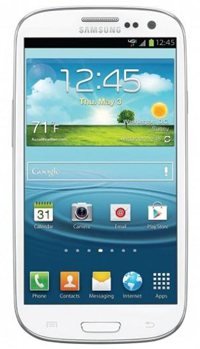
Windows Phone 8X vs. Galaxy S3 vs. iPhone 5: spec showdown

Galaxy S3 vs Windows Phone 8X vs iPhone 5 spec comparison

The biggest representatives of every operating system go head-to-head-.to head. The iPhone 5, Samsung Galaxy S3, and HTC Windows Phone 8X square off in a Spec Showdown. Which phone best meets your needs? Take a look at our comparison and make your call.

Since Apple makes its own products, it’s latest product is the default market leader for iOS. For Android and Windows Phone handsets, however, the field is wide open. The market defines the front runners with their wallets, and there’s the media darlings that manage to snag the hearts of reviewers. The Samsung Galaxy S3 has become Android’s model phone, in part because of an aggressive and enjoyable ad campaign, and because it’s just a darn good handset. With Windows Phone 8 just becoming available, we can’t be certain what the mobile operating system’s chief representative will be. What we can say with confidence, though, is that HTC’s Windows Phone 8X can make quite a case for itself. How do these three heavyweights of the handset world stack up against one another? Take a look at the stat sheet and draw your own conclusions.

Read our full reviews for the iPhone 5, Samsung Galaxy S3, and HTC Windows Phone 8X for our extended take on each option. 


iPhone 5 

iPhone 5 display

Galaxy S3

galaxy s3

Windows Phone 8X 

HTC Windows Phone 8X tiny

Size  123.8 x 58.6 x 7.6 (mm)  136.6 x 70.6 x 8.6 (mm)  132.3 x 66.2 x 10.1 (mm)
Weight  112g  133g  130g
Screen  4.0-inch LCD  4.8-inch Super AMOLED  4.3-inch Super LCD 2
Resolution  1136×640 pixels  1280×720 pixels  1280×720 pixels
OS  iOS 6.0.1  Android 4.0 with TouchWiz UI  Windows Phone 8
Storage  16/32/64GB  16/32GB  16GB
SD Card Slot  No  Yes  No
Processor  Dual-core A6X  Dual-core Snapdragon S4 (US)  Dual-core Snapdragon S4
RAM  1GB  2GB  1GB
Connectivity  Wi-Fi, 4G LTE, HSPA+  Wi-Fi, 4G LTE, HSPA+  Wi-Fi, 4G LTE, HSPA+
Camera  Front 1.2MP, Rear 8MP  Front 1.9MP, Rear 8MP  Front 2MP, Rear 8MP
Bluetooth  Yes, version 4.0  Yes, version 4.0  Yes, version 3.1
Battery  1440mAh  2100mAh  1800mAh
Charger  Lightning connector  Micro USB  Micro USB
Marketplace  Apple App Store  Google Play Store  Windows Phone Store
Price  $200+  $200+  $100+
Availability  AT&T, Sprint, Verizon  AT&T, Sprint, T-Mob, Verizon  AT&T, T-Mob, Verizon

What it means: You can sit and compare the processing power and pixel-per-inch count on each device and come to a conclusion about which phone is most technically sound. That said, the biggest and most glaring difference between these three handsets is in one category: the operating system. Apple’s iOS is streamlined and smooth, like everything Apple; Google’s Android OS is in a seemingly constant state of upgrade, but rarely are the changes met with complaints; Windows Phone 8 brings the complete implementation of Live Tiles, and we’ve already started to see that Microsoft may be on to something. The deciding factor may come down to your other devices and computer. If you own a Mac, sticking with the Apple theme may be best for the purposes of continuity. PC users that sprung for Windows 8 should consider snagging the Windows Phone 8X to get the full functionality of the OS. Android devices can work with Mac, Windows, or even Linux, and the NFC features like S Beam make the Galaxy S3 appealing if your friends of co-workers also own the device. Luckily, if you are making your choice from this group, it’s hard to pick wrong.

(Specs by Jeffrey Van Camp)


Source : digitaltrends[dot]com

Nov 5, 2012

Microsoft killing Windows Live Messenger, will replace it with Skype

Microsoft is reportedly putting Windows Live Messenger to rest, and replacing the messaging client with Skype.

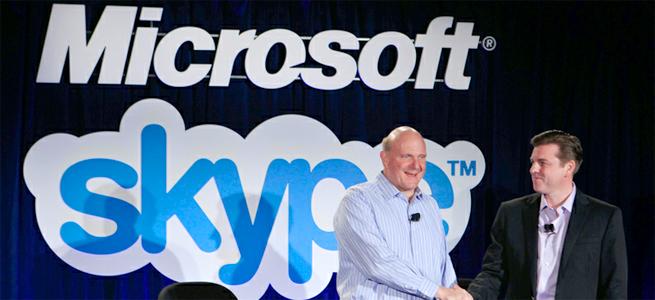
We got a first glimpse of Microsoft’s plans for their $8.5 billion purchase of Skype late last month when Microsoft enabled Facebook, Hotmail, and Windows Live logins through Skype. Now The Verge has caught wind from his sources that Microsoft may be taking this a step further by replacing Windows Live Messenger with Skype altogether.

The announcement that Windows Live Messenger will be put to rest after thirteen years since its founding, first introduced as MSN Messenger in 1999, may come as early as this week. The report adds that Windows Live Messenger’s backend is slowly being integrated into Skype, which means that the only change for existing Windows Live users is that they’ll have to login through Skype’s client.

Skype has already been married into Windows 8 as a default native app to the Microsoft operating system, and Microsoft is free to do with Skype as it wishes — so the decision makes sense. The news of Windows Live Messenger’s retirement however isn’t official just yet and users have yet to be notified of Microsoft’s intentions, so as for the answer to how tightly integrated Skype will be with Microsoft’s products, we’ll have to update you once we hear back from a spokesperson.

Windows Live Messenger has been in use by 300 million users per month in 2010, although we suspect that number has dwindled due to new competition Google Talk and Hangouts, Facebook Messenger, and of course the many mobile messaging apps on the market today. Skype’s CEO, Tony Bates revealed the latest figures show it had 250 million monthly users in May of this year.

Skype has been subject to a number of face lifts as of late. We’ve been content with the majority of the updates, but there have been just a couple of caveats. For instance all of the cross-platform integration means the Skype contact list is consequently flooded with friends, so users are either left to clean up with lists, deal with it, or forego using the new login integrations altogether. 

But the pros outweigh the cons. Messaging Facebook and Live Messenger friends on the Skype client is admittedly a far better experience. Skype acts as a prompt to video call friends you otherwise might not using Facebook. 

Pushing Windows Live Messenger clearly wasn’t in the forefront of Microsoft’s mind with the service since it’s Skype acquisition. With a robust messaging and video calling service like Skype, Microsoft has room to offer more comprehensive monetization strategies, like its conversation ads rolled out in June, as it doubles up Skype’s user base with existing Messenger users.


Source : digitaltrends[dot]com

Samsung Ativ and Galaxy Tab 2 10.1 coming to AT&T Nov. 9

Samsung and AT&T announce the Ativ and Galaxy Tab 2 for a November 9 release, bringing new Android and Windows 8 devices to the carrier this week.

If you were planning to buy a tablet this holiday season, rest assured you’ll have plenty of variety to choose from when you head to the stores on Black Friday. Today AT&T has announced two more tablets to hit stores on November 9: The Windows smart PC Samsung Ativ, and latest member of the Android-powered Galaxy family, the Samsung Galaxy Tab 2 10.1. The Samsung Ativ will retail for about $8o0, and the Galaxy Tab 2 10.1 will cost about $500 — neither of which require a contract for purchase. 

The Samsung Ativ comes as the first of Microsoft’s beefier Windows 8 tablets to hit the market in contrast to its Windows 8 RT tablets released late in October. The tablet features an included clamshell keyboard for high-speed typing when you need it, and a multi-touch display to take full advantage of the Windows 8 UI experience. The device also features an Intel Atom 1.5GHz dual-core processor, 64GB of internal memory, and 2GB of RAM all viewed from a crisp 11.6-inch display. Clocking in at $800, this tablet is a small fortune, but runs the robust Windows 8 OS for a totally mobile and productive experience.

The Galaxy Tab 2 10.1 serves as Samsung’s sequel to their Galaxy Tab 10.1 released back in 2011, and features Android 4.0 (Ice Cream Sandwich), an external storage slot, and a slightly beefier battery all viewed from a high resolution 10.1-inch screen. At $500, the Galaxy Tab 2 is certainly not the cheapest Android tablet out there, but nonetheless a feature rich one. Read our full DT review on the Galaxy Tab 2 10.1 for more info.

To encourage new customers, AT&T is offering a promotional discount for those who buy two qualifying Samsung devices this holiday season. With a new 2-year agreement, customers can get an instant $100 discount for buying any Samsung Galaxy Smartphone along with any Samsung smartphone or tablet of equal or lesser value. As Sprint also announces its roll-out of the Galaxy Tab 2 10.1 for November 11, it’s safe to say AT&T is trying to grab some essential territory before the rest of the carriers release their tablets for the forthcoming holiday season. 

The tablet market this holiday season is well inundated with devices of all shapes and sizes, ranging from the iPad Mini to Windows 8 smart PC — the only question is figuring out which one is right for you, and just what the wake of the coming holiday-season tablet war will bring to the market.


Source : digitaltrends[dot]com

Nov 2, 2012

Microsoft bricks up the door to freedom with the Windows Store’s ‘walled garden’

Microsoft bricks up the door to freedom with the Windows Store’s ‘walled garden’

As Microsoft migrates from an open platform to a walled garden with Windows 8, freedom falls by the wayside.

For me, Windows 8 is a tale of two cities: There’s an abundance of cool new features that I love, balanced out by an abundance of design changes that I absolutely hate. I accept all of that. Major changes bring major transitions. But as a card-carrying, freedom-loving geek, there’s one thing about Windows 8 I simply cannot accept, a “feature” that seems shiny and new and nice, but hides dark and dangerous possibilities that could devastate computing as we know it and leave us all shackled in Modern-styled chains. Even worse, that ticking time bomb beats as the heart of the new Live Tile interface, a malign tumor threatening to eventually rot the PC’s open core.

The Windows Store. The harbinger. Microsoft’s closed-off answer to Apple’s vaunted walled garden.

Skin-deep beauty

Don’t get me wrong; I have no problem with the usability of the Windows Store itself. No matter what type of device you’re using, the Windows Store is slick, polished and easy to browse, especially with the help of Windows 8′s new “type to search” feature. Its interface sits heads and shoulders above the Apple and Android alternatives.

No, my issue lies with the philosophical underpinnings beneath the attractive veneer.

The only way to get Windows 8 apps is through the Windows Store, some enterprise and developer exceptions aside. And the only way to get into the Windows Store is to go through Microsoft; developers need to pay for a license, submit their apps for approval from on high, and pray to get in.

Windows 8 store microsoftThe new walled garden approach holds a number of advantages for casual and neophyte computer users. Since Microsoft approves the content, Windows 8 apps are sure to be functional at a base level and free of malware. That security comes at the price of freedom, however.

The only way to get Windows 8 apps is to go through the Windows Store, and Microsoft’s app guidelines contain a laundry list of rules that tell developers what types of apps will be approved. Microsoft, like Apple, plans to actively screen the editorial content of apps to avoid offending delicate sensibilities.

A poisoned Apple

Just search Google for “Apple censors apps” and similar phrases to get a feel for what happens when an entire ecosystem’s content flows through a single source that considers itself a moral authority. Apple has censored iOS apps from satirical Pulitzer Prize winners, apps from religious groups, apps with political motivations, Google Voice, apps with Dropbox hooks, any app that overlaps the functionality provided by the core iOS experience, and a whole lot more.

Microsoft allows apps with competing functionality into the Windows Store, but it controls editorial content with an iron fist. Here are the content guidelines for Windows 8 apps:

  • Your app must not contain adult content
  • Your app must not contain content that advocates discrimination, hatred, or violence based on membership in a particular racial, ethnic, national, linguistic, religious, or other social group, or based on a person’s gender, age, or sexual orientation
  • Your app must not contain content or functionality that encourages, facilitates or glamorizes illegal activity
  • Your app must not contain or display content that a reasonable person would consider to be obscene
  • Your app must not contain content that is defamatory, libelous or slanderous, or threatening
  • Your app must not contain content that encourages, facilitates or glamorizes excessive or irresponsible use of alcohol or tobacco products, drugs or weapons
  • Your app must not contain content that encourages, facilitates or glamorizes extreme or gratuitous violence, human rights violations, or the creation or use of weapons against a person or animal in the real world
  • Your app must not contain excessive or gratuitous profanity

In other words, Windows 8 apps are so many bricks in the wall(ed garden), thought-controlled and scrubbed squeaky clean to Microsoft’s new Leave It To Beaver-esque standards.

A Dark Age ahead

Microsoft’s a private company, of course, and it can impose whichever arbitrary and heavy-handed rules it wants. However, a large part of Windows’ past success lied in the relatively open nature of the operating system. (Cool it, Linux lovers.) If you wanted to create a new piece of software, you just whipped it up and slapped it on the Internet — no costly developer license, jumping through censorship hoops, or 30 percent cuts of revenue to Microsoft required. There is a reason that Windows shined while Mac stuttered and iOS users strived to jailbreak their locked-down phones.

Microsoft is gutting its legacy, sacrificing its past on the altar of the tablet gods.

I’m not the only one who thinks so. When Microsoft asked Minecraft’s developer Notch to certify the game for Windows 8, he told them to “Stop trying to ruin the PC as an open platform.” He didn’t stop there. “I’d rather have Minecraft not run on Win 8 at all than to play along,” he tweeted.

windows rt tablets windows 8 storeMinecraft can, of course, still run on Windows 8 thanks to the Desktop mode, which plays classic-style Windows programs just fine. Windows RT tablets don’t have the same privilege; they’re stuck running those squeaky-clean, Microsoft-approved Windows 8 apps alone.

The focus is firmly on the new apps and interface, however. Windows 8 takes great pains to shove the Desktop and its legacy programs into a dusty, dark corner. The entire Modern-style Start screen revolves around glittery, transforming Live Tiles generated by Windows 8 apps, while the entire Desktop functions as a single app in Windows 8′s Switcher, no matter how many classic-style programs you have open. Microsoft doesn’t even allow users to boot to the Desktop directly from start up — you must go through the Modern Start screen.

Unless even users complain and Windows 8 fails miserably, I expect the non-enterprise versions of Windows 9 to be the final bricks in the walled garden, ditching the Desktop completely and leaving users with no choice but to look at the world through glasses colored whichever hue Microsoft decides to approve.

A happy medium

It doesn’t have to be like this. The newbie-friendly benefits provided by a walled garden are huge, and I can understand Microsoft wanting to hand-approve apps that sink deep hooks into Windows 8′s core.

I’m a big boy, though, and I want choice. Grand Theft Auto IV wouldn’t have been anywhere near as fun if Packie didn’t swear like a sailor and Niko laid down his automatic weapons and alcoholic beverages. Fortunately, there’s already an example Microsoft can follow that would dispel all my negativity and doubt: Android and Apple’s own OS X desktop operating system.

Both of those platforms restrict users to central, approved download sources out of the box, which provides casual users with the same level of security and ease-of-use currently offered by the Windows Store. More crucially, they also provide a way around that barrier for power users. Sideloading apps on Android is as simple as switching out a system setting, while disabling Gatekeeper on a Mac is just as straightforward.

Adding a sideloading option for everyone — not just devs and IT admins — would allow Microsoft to have its cake and eat it too. Casual users could stay safe and secure, while power users could bask in the open freedom and continue to use their computers as they see fit.

Sideloaded apps wouldn’t be subject to Microsoft’s 30-percent Windows Store fee, of course. That shouldn’t make too much of a dent in company revenues; as I said, Android allows sideloading, and I don’t hear Google complaining that hordes of users are snagging apps from third-party sources. However, allowing sideloading would let developers distribute Windows 8 apps that are too edgy, mature, political or religious for Microsoft’s squeaky-clean enforced tastes, while maintaining the open tradition the operating system is known for.

Will Microsoft grant this boon after already tossing out the Start button, the desktop and the company’s reluctance to make its own hardware, or will it continue down the ham-fisted (yet profitable) path blazed by the dictators at Apple? That remains to be seen. But if the company doesn’t change its ways, the Windows Store will be the death — not the evolution — of computing as we know it.

Keep on keeping on with that Steam for Linux endeavor, Valve. You might just be sowing the seeds of rebirth that keeps hope alive after a computing apocalypse.


Source : digitaltrends[dot]com

Nov 1, 2012

Why won’t my email work in Windows 8′s Mail app?

Why won't my email work in windows 8 gmail

So you've upgrade to Windows 8 and are now wondering why your email isn't working in Windows 8's Mail app? We know why, and we also know how to help.

If you’re one of the millions of people who rely on your Internet provider for an email address, you’re in for a shock when you upgrade to Windows 8. Brace yourself; there’s a very good chance that your ISP-provided email address (jan@comcast.net, or mike@verizon.net, for example), won’t work with Windows 8′s Mail app.

Windows 8 supports an up-and-coming email protocol called IMAP, but many Internet service providers — such as Time Warner, Comcast and Fairpoint — only offer email access through a Web browser or through an older email protocol called POP. Unlike the email applications in earlier generations of Windows, the new Mail app doesn’t include POP mail support.

You could still check your email on the Web, or hop into Desktop mode and set up a classic-style email client like Thunderbird (assuming you aren’t running a limited Windows RT tablet), but neither of those options sink their claws into Windows 8 with the same intensity as the native Mail app. The Windows 8 Mail app integrates with the operating system’s People list and pops up system-wide notifications when you receive new messages; the alternatives don’t. There aren’t any Windows 8 Mail apps available in the Windows Store, either.

Don’t panic, though; all is not lost. Thanks to the Mail app’s support for webmail services like Outlook.com and Gmail, it’s possible to work around the crippling lack of POP functionality. It’ll take jumping through a hoop or two, and there is one big “gotcha!” involved, but you should be receiving your ISP-provided POP messages in minutes.

Here’s how to read your POP mail in Windows 8, with a helping hand from Gmail. Fear not; we’ll guide you through every step of the way.

Configure your Gmail account to work with your POP account

1. Create a Gmail account. If you don’t have a Gmail account already, head over to mail.google.com and whip one up. I recommend giving your account a decent-sounding handle — maybe your name? – instead of something silly. You’ll see why at the end. Make sure you’re signed into the account to continue.

add pop3 account gmail set up email on windows 82. Enter Gmail’s email account options. Click on the gear icon in the upper right-hand corner, then select “Settings.” In the Setting page, select the “Accounts and Import” tab along the top, then click the “Add a POP3 mail account you own” link in the “Check mail from other accounts (using POP3)” section. A new Window opens.

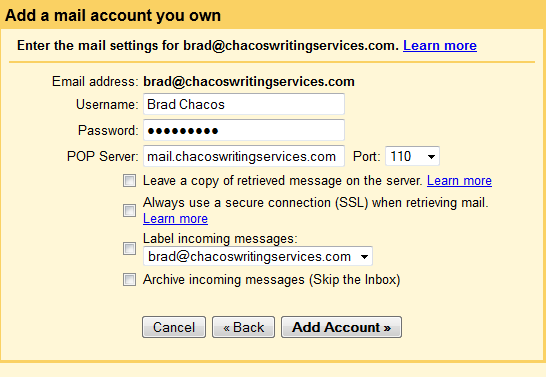
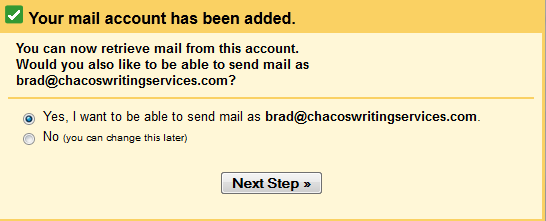
add new account gmail set up mail in windows 83. Configure Gmail to read your incoming POP mail. Enter your POP email account address on the first screen, then click Next and enter your incoming POP settings as specified by your Internet provider. (Don’t know this info? Search for “<your provider’s name> POP email settings”, sans quotes.) If you already had an active Gmail account, you might want to check the box that labels messages coming from the new POP account. Click Next, then confirm that you want to be able to send messages from the account as well.

gmail account added set up email in windows 84. Configure Gmail to send outgoing POP mail. Confirm your outgoing email settings, then continue. On the next screen, leave the “Send through Gmail” option. Then, tell Gmail to send a verification message to your email address. Either click the link in the message, or copy and paste the verification code into the last box. Now you’re good to go.

Configure the Windows 8 Mail app to read your Gmail account

connect gmail set up email in windows 85. Add a new account to the Mail app. Open up the Windows 8 Mail app, bring up the Charm Bar, then select “Settings.” In the Settings Menu, click on “Accounts,” then select “Google” from the list.

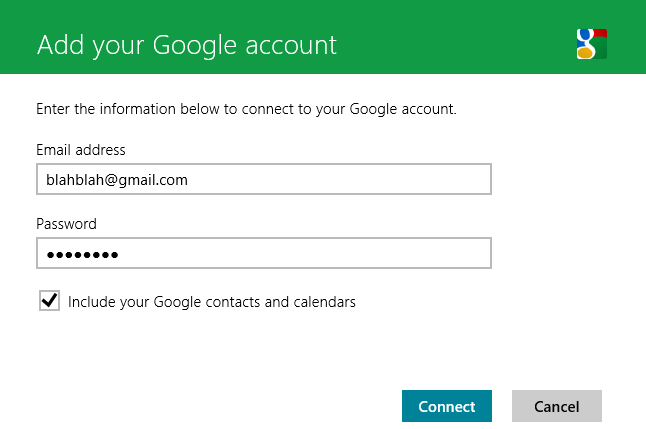
6. Add your Google Account. Enter your Gmail account name and password. Optionally checking the box will import your Google Calendar and Contacts. Voilà! Your Gmail account appears in the Mail app, complete with incoming messages from your POP account. Now, Windows 8 will send you a notification when you receive a new email.

Now for the bad news…

The above all sounds good and well, but here’s the rub: when you send an outgoing email, it will use your Gmail email address, not your POP provider’s email address — even if you’re replying to a message sent to your POP account. There’s no way around it; we tried mucking around in Gmail’s Web-based settings, the Mail app’s outgoing server settings, and everything else we could think of — all to no avail. Now you see why I suggested selecting a halfway professional-sounding Gmail account name.

That shouldn’t matter too much, though. You’ll still be receiving the messages sent to your POP account, and your contacts should still be able to receive your messages just fine despite the new Gmail handle. If tricky spam filters start snagging your outgoing messages, just sign into your POP account’s Web-based interface and send out a message telling your friends to look for messages from your new Gmail account. If your POP account doesn’t have a Web interface, sign into the Gmail website and send the message that way; you’ll find your POP email account listed as an option in the “From” line when you compose a new message.

Elegant? Not at all. But Windows 8 hides a lot of little flaws and awkward annoyances underneath its beautiful, multicolored surface, and hey — at least this fix works. Happy emailing!


Source : digitaltrends[dot]com

Megan Fox talks to dolphins with the help of the Acer S7 ultrabook in a cool ad

Acer has launched a new ad featuring Megan Fox. She uses the company’s latest Windows 8 flagship notebook – the S7 – to fulfill her dream of talking with dolphins.

For good or bad, the ad doesn’t feature the Acer S7 ultrabook as much as Megan Fox, but I am not complaining.

Check out the video below.

With Microsoft reaching out to Jessica Alba at the Windows Phone 8 event, and now Acer relying on Megan Fox’s cuteness to sell its S7 Windows 8 ultrabook, which Hollywood face should star the next Windows 8 ad? I hope Dell or Sony call Kate Beckinsale right away to fight zombies relying on Nokia Maps and the WP8 live tiles.


Source : blog[dot]gsmarena[dot]com

Oct 31, 2012

Signature looks: the HTC Windows Phone 8X pays us a visit

The HTC Windows Phone 8X has hit our office and we are rushing to bring you a short hands-on of the smarphone, complete with some live photos and a hands-on video.

It’s HTC’s flagship Windows Phone device and comes with the latest version of the Microsoft mobile platform, WP8, a Beats Audio amplifier inside, two wide-angle cameras on board, a gorgeous screen and a dual-core Krait processor.

Things are running as smooth as butter on the software side, which is in keeping with Windows Phone’s reputation since day one.

Windows Phone 8 brings an array of new features and the Windows Phone 8X takes full advantage of them all.

There’s improved SkyDrive integration, resizeable live tiles, new Xbox Live features like Music, DivX/XviD video support and others.

The design of the HTC Windows Phone 8X is very comfortable for one handed operation. The smartphone has tapered edges and looks pretty slim at first, but you quickly realize that thickness builds up towards the center of the device.

However we’re not big fans of the bezels around the screen, especially above and below it. The Windows Phone 8X is virtually the same size as a One X, despite offering a far smaller 4.3″ display (vs 4.7″).


Source : blog[dot]gsmarena[dot]com

Oct 29, 2012

Hands on with HTC’s Windows Phone 8S

We take the Windows Phone 8S by HTC a test ride. Though it runs on lower-end specs, this T-Mobile phone appears to still pack a punch.

Though its often most fun to write about the fanciest and most expensive smartphones on the market, not everyone can afford them Luckily, there are a growing class of 2nd tier phones that still manage to provide a competitive experience. During my time with the Windows Phone 8S by HTC, it appears to be just such a device. The 8S has 4GB of internal storage, 512MB of RAM, and a 5-megapixel rear camera, but its 1GHz dual-core Snapdragon S4 processor is no slouch. I’m also a fan of its 4-inch 800 x 480 pixel screen. The resolution isn’t high and the RAM isn’t plentiful, but the phone appears to run Windows Phone 8 quite responsively. Overall, it should have a slight edge over many Windows Phone 7.5 devices on the market today. And hey, it comes in a number of pretty colors. T-Mobile will be carrying the 8S in the coming weeks.


Source : digitaltrends[dot]com

Meet Windows Phone 8 in a detailed video overview from Microsoft, pokes iOS and Android

Today is a pretty important day for Microsoft, as the company is launching the latest iteration of its Windows Phone mobile platform.

And to make sure that everybody understands and learns all about the new features Windows Phone 8 packs, Microsoft’s Corporate VP of Windows Phone, Joe Belifore stands in front of the camera for a lengthy 18-minute video showcase of the OS.

Dubbing it the “most personal smartphone around”, Mr. Belifore uses an HTC Windows Phone 8X and a Nokia Lumia 920 to demo nearly all the feature Microsoft’s mobile OS offers. He also doesn’t miss the opportunity to poke iOS and Android for the lack of live tiles and the ability to feed you with new information.

So, get some popcorn and watch the video below. Scroll after 1:00 for the iOS and Android commentary.

Have some popcorn left? Thirsty for even more in-depth review of Windows Phone 8? No problem, just check out our extensive review of Microsoft’s new mobile platform.


Source : blog[dot]gsmarena[dot]com

Verizon welcomes Windows Phone back into the family with the Nokia Lumia 822

Lumia 822 Verizon

Verizon has welcomed Windows Phone back into the family with the announcement of the Nokia Lumia 822, an exclusive Windows Phone 8 device set to be released soon.

Verizon has announced the Nokia Lumia 822, a Windows Phone 8 handset exclusive to the network. The news comes a few hours ahead of Microsoft’s big Windows Phone 8 event, which will be held in San Francisco, where the last pieces of information regarding the new OS will be shared.

In the meantime, lets look at the Lumia 822. The screen measures 4.3-inches and hides behind a sheet of protective Gorilla Glass, and although no resolution is mentioned in the press release, it’s likely to be the same as the GSM Lumia 820, which stands at 480 x 800 pixels.

An 8-megapixel camera sits on the rear of the curvy device, complete with Carl Zeiss lens and 1080p video recording, while a 1.2-megapixel video call lens can be found above the screen around the front.

Nokia makes a point to emphasize all the applications it bundles with its Lumia phones, including Nokia Maps, Nokia Drive, City Lens and the recently launched Nokia Music. This music streaming service has been out in Europe for a while, and is particularly interesting due to there being no subscription charge and no streamed advertising either.

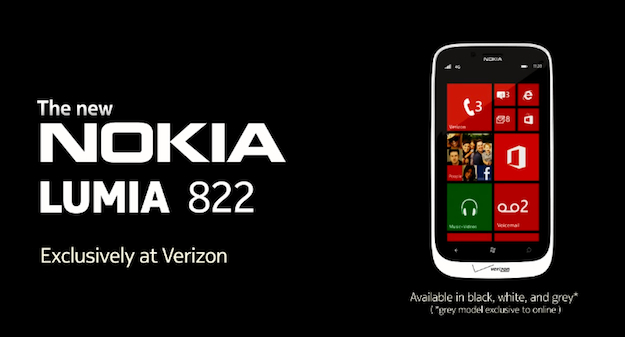
Other features include NFC, Bluetooth and a choice of black, white or an online exclusive grey color scheme, plus the chance to swap the rear cover for one that enables wireless charging.

The Lumia 822 will connect to Verizon’s 4G LTE network, but aside from all this there is a lack of information on the device’s finer technical points. That won’t stop us hazarding a guess though, as the 822 will probably share the same dual-core, 1.5GHz Snapdragon processor, 1GB of RAM and 8GB of internal memory as the Lumia 820.

All this is identical to the Lumia 810 too, which is exclusive to T-Mobile USA, while the Lumia 820 can only be found with AT&T. As they share the same spec sheet, the 810, 822 and 820 should really be considered network-exclusive designs, as the differences are all cosmetic.

The Lumia 822 is the first Windows Phone to hit Verizon since last year, when it carried the affordable Lumia 710, and confirms rumors dating back to August of the network’s plans to once again carry handsets running Microsoft’s mobile operating system. Verizon and Nokia have so far committed only to the Lumia 822’s “upcoming availability,” so we’d expect to hear more following Microsoft’s final big reveal later today.


Source : digitaltrends[dot]com

Microsoft plays it cool regarding any future 7-inch Surface tablet plans

microsoft surface tablet

While all around it are busy building cheap 7 and 8-inch tablets, Microsoft says it will stick with 10.1-inch-plus slates for Windows 8 and Windows RT, but keeps quiet on future plans.

It may seem like every other tablet manufacturer is releasing a tablet with a 7-inch, or thereabouts, size screen, however Microsoft isn’t in a rush to follow them. According to Tami Reller, vice president of Microsoft’s Windows Group, all the initial run of tablet computers running Windows 8 will have screen sizes of 10.1-inches or larger.

During an interview with Wired.co.uk, Reller confirmed that Microsoft wouldn’t be offering a 7-inch slate, but didn’t offer any clues on either Microsoft’s partners or its own future plans.

Amazon, Google, Kobo, Samsung, Acer and many others all produce reasonably priced 7-inch tablets running Google Android, while Apple dares to be different with the iPad Mini, which boasts a 7.9-inch display. Tablets with these screen sizes are incredibly popular at the moment.

Microsoft’s new Surface tablets have 10.1-inch screens and are priced to compete with the Apple iPad, rather than the lower-priced Kindle HD and Nexus 7, although a $199 price tag was rumored for a while before the final price was announced. For a new player in the market, is it not a surprise that Microsoft hasn’t chosen to follow the fashion with a smaller Surface tablet to accompany the big screen model?

ZDNet.com’s Mary Jo Foley doesn’t think so, arguing that Windows tablets are made for “both creation and consumption,” and a small screen would make life with Office very difficult indeed. This is backed up by many Windows 8 tablets coming with, or having the option of, a keyboard accessory; something that wouldn’t suit a 7-inch device at all.

Just before the Surface was revealed in June, a rumor regarding a product named the Xbox Surface appeared, where a 7-inch tablet joined what could be the next generation Xbox, suggesting a Wii U-style controller arrangement. Nothing has been heard about this since.

So is that the only way we’ll see a 7-inch Surface tablet? During a recent Reddit Ask Me Anything session, Panos Panay, the general manager of Microsoft’s Surface team was asked if he was considering a smaller, cheaper 7-inch tablet for the future. Instead of a yes or a no, he simply said “keep the suggestions coming.” If Microsoft is planning a small Surface, it’s not going to tell us just yet.


Source : digitaltrends[dot]com

Oct 27, 2012

8 Windows 8 tips and tricks for new users

win 8 tips tricks windows 8

Are you struggling to learn Windows 8? These eight top tips will help you grasp Microsoft's new OS quickly.

Windows 8 includes many new features which give users the opportunity to use Windows in different ways. A new interface, and new ways to interact with your computer, as well as new shortcuts, new menus and an entirely new class of apps, are all waiting within the new OS. All of these features can be useful, that is, if you know how to use them. Learning these tricks is easier and more useful if you actually try them out, so grab your Windows 8 device and give it a go as we dive in and take a look at eight new tricks for Windows 8.

Search by category

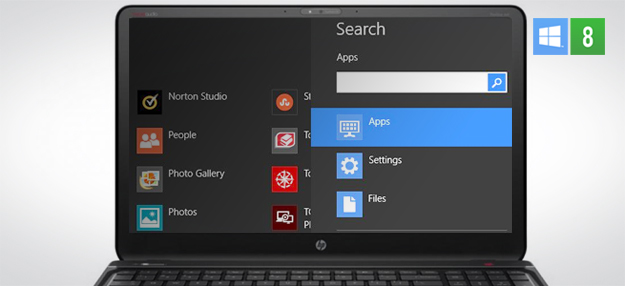
Windows 7 included a search feature that was handy, but Windows 8 ups the ante by providing even better search functionality via the Windows 8 UI. It’s now possible to filter your search by apps, settings, or files. You can access the search function from any screen by placing your cursor in the upper right hand corner of your display. This will activate the “Charms” bar, which includes a magnifying glass for search. The result is familiar. Select a category and type in what you’re looking for.

It’s also possible to access search using hotkeys. Win + F will take you to Files, Win + W will take you to Settings, and Win + Q will take you to Apps.

Manipulate the Start screen

Windows populates the new user interface with tiles automatically, but, since every user is different, it may not pick the best apps for you. However, it is possible to un-pin and re-size tiles just by right-clicking on them. Want to modify multiple tiles? Simply right-click on them in succession to do so. Tiles can also be moved using the good ol’ drag-and-drop technique.

You’ll also notice that the tiles are placed in groups. To modify them, click on the minimize button in the lower right-hand corner (it’s very small, next to the scroll bar), and then right-click groups to add names or delete them.

What about pinning all-new apps or functons? For that, go to the Apps search page and find what you want to add to the Start menu. Right-click and then click Pin to Start. This only works for apps — not settings or files.

Tab through Windows 8 apps only

Alt + Tab is a classic shortcut for moving through different app windows quickly. Now it is being joined by a new hotkey: Win + Tab. Pressing these two together will bring up a new interface on the left-hand side of the screen that lets you move only through Windows 8 apps. It’s a nice way of multi-tasking when you are not in the classic desktop environment.

Gain context and snap windows

The top of a new Windows 8 app is an important part of the app interface. Once inside the app, placing the mouse cursor on the top of the screen will turn the cursor into a hand. Once that’s happened, you can right-click to open up a context menu that will provide a few useful options. It’s usually not much, but the specifics depend on the app.

Doing this also lets you use the new snap features in the Windows 8 interface. To activate this, left-click and drag downwards, and the window will shrink. Now, drag the window to the right or left and watch it automatically snap to that portion of the screen. You can use this to watch information in one Windows 8 app while primarily using another. This will continue to function in the desktop if you go to it after snapping a Windows 8 app to the left or right side of the screen.

Access settings quickly

Underneath the new interface, all of the old Windows 7 utilities are — for the most part — still there. That being said, you may not need to access them often due to a new PC settings interface. You can access setting by searching for “PC settings” or by pressing Win + I and the clicking the Change PC Settings link at the bottom. This new interface will let you handle basic settings pertaining to network connectivity, privacy, and currently-connected devices, among other things. This is often the fastest way to change basic settings.

That same Win + I menu can also be used to power off your computer or change screen brightness without having to open the Change PC Settings link.

Learn Ribbon and the Quick Access toolbar

Windows 8′s other big interface change is the addition of the Ribbon to Internet Explorer. The icon-driven UI replaces the text-menu interface of  the old version. However, it only sometimes appears by default. To summon it, you need to use the new option tabs at the top of Explorer (Home, Share, View, etc.). You also an click the tack icon at the upper right or you can use the Ctrl + F1 hotkey.

When Ribbon is not active you will see the slimmer Quick Access toolbar. It has only a few fuctions by default, but users can add more. To do this, open the Ribbon, right-click on an icon, and then click “add to Quick Access toolbar.”

Get to know your history

One of the best feature in Windows 8 is File History. It’s an automatic update service that  can back up information to a second drive and also lets you selectively restore data. First, however, you have to open and access it. To do this, search for File history in the  settings search. Open it, and then click the Turn On button. File History handles the rest.

If the drive you want to back up to is not selected you can change drives by clicking the “Select a drive” link on the left. You also can restore files by clicking the “Restore personal files” link.

Access system functions with an old-fashioned hotkey

Though Windows 8 tosses out the old Start button, it does add another menu that can be of use. The menu doesn’t have a particular name, but it’s accessed using the Win + X hotkey and it appears where Start used to be (the lower left hand side).

From this menu it’s possible to access a number of utilities like Control Panel, Task Manager, and the Device Manager. It’s an old-fashioned menu that uses a gray background with black text but it will appear in either the desktop environment or the new Windows 8 UI.

Do you use or know of any good Windows 8 tips and tricks? Let us know below.


Source : digitaltrends[dot]com

Oct 26, 2012

Breaking! Microsoft plans to replace your actual windows with Windows 8

Replacing windows with tiles microsoft windows 8

Microsoft announces a bold new plan to remove all windows and replace them with a new product it is calling Live Tiles, which bear little resemblance to the transparant transparent you've been using to peer out at the world beyond.

In a shocking move today, Microsoft has begun a drive to remove all windows from homes around the world and replace them with what the company is dubbing “Live Tiles.” Though they are completely different than their glass predecessors, CEO Steve Ballmer claims that the Live Tiles can replace windows with “no compromises.”

Live Tiles do not open, allow for airflow, or let light in, but do come in a number of neon colors. Though they have none of the benefits of an actual window, the Tiles can display a fraction of a weather report, rotating pictures of friends, or a static picture of the outdoors. Once you’ve paid the $40 upgrade fee and your windows have been switched, the change is irreversible without a rebuild.

“What the hell?! I want my old windows back,” said disgruntled rural homeowner Andrew Couts who shelled out $40 for what Microsoft told him was an upgrade to his windows. “My home looks like a goddamn Fischer Price set. I can’t get anything done.”

Those living in older homes will not be able to directly interact with the Live Tiles, but starting today, Microsoft began selling a new line of homes specifically designed with Live Tiles in mind. Office buildings and businesses with windows will also be forced to upgrade to Live Tiles, though it took them so long to install their last set of windows that Microsoft plans to give them several years to catch up.

As part of the Live Tile rollout, stores that previously sold windows, crews trained to install windows, and companies selling window accessories will be forced to convert their operations to support the millions of Live Tiles attempting to fill the gaps where windows once stood.

Though Microsoft is attempting to eliminate windows around the world, Ballmer repeatedly referred to windows as Microsoft’s future.

“Microsoft is dedicated to windows. Windows is our past, present, and future. We’ll always make windows,” said the CEO before chanting the word “developers” several dozen times to a crowd of aging programmers and journalists. Though homes will be full of Live Tiles, Ballmer claims that Microsoft is, in fact, selling windows.

The world-wide plan to replace all windows comes after several years of testing in mobile homes. Though few mobile home owners have converted to the Tiles, the lack of voluntary adoption has only emboldened Microsoft.


Source : digitaltrends[dot]com

DT Daily: Microsoft launches Windows 8, Apple vs Pandora

Microsoft officially launches Windows 8, Apple guns for Pandora with its own streaming radio service, the U.S. government bans smartphone unlocking, Tim Cook slams Windows 8, and we take a look at this week's newest movies.

Related Links:


Source : digitaltrends[dot]com