Pages

Showing posts with label business. Show all posts

Nov 8, 2012

GM cancels electric version of Opel Adam city car

Opel Adam Red

Opel could not make a business case for an electric version of its handsome city car, but buyers wanting a small EV from GM can wait for the 2013 Chevy Spark.

General Motors’ European division is pulling the plug on an all-electric version of the Opel Adam city car. The pint-sized EV made it through the prototype phase, but Opel says its could not make a business case for the car.

“We could not charge the customer the price needed to make it work on the cost side,” Dieter Metz, chief engineer for the Adam, told Automotive News.

The Adam EV was based on the new city car just launched by the German brand. It would have used the same electric powertrain as the upcoming Chevrolet Spark EV, and, like every other Opel, would have been sold in Britain as a Vauxhall.

Conventional versions of the Adam are powered by an assortment of internal combustion engines. These include a 1.2-liter four-cylinder that produces 69 horsepower, and a 1.4-liter with either 86 or 99 hp.

The Adam joins a growing list of EV city cars that never happened, or barely happened. Toyota scrapped plans to mass-produce an electric version of its iQ, called the eQ (and badged Scion iQ EV in the United States), instead deciding to build a small batch of production models.

Fiat will launch a 500 EV at the 2012 Los Angeles auto show in early December but, like the Toyota/Scion, it will most likely be a limited-production item.

With the European car market depressed, and with other companies wavering in their commitment to EVs, GM may have seen the writing on the wall. Its European operations are already struggling, so burdening Opel and Vauxhall with a relatively expensive car that may not sell well might have seemed like too much of a risk.

The Adam EV would have also put two electric city cars in GM’s portfolio. The Spark is sold in Europe, and it is likely that the Spark EV will be as well when it debuts in 2013. Since the Spark is sold worldwide, it gives GM a bigger market and a better chance to make money on the Spark than the Europe-only Adam.

The Adam EV’s cancellation could fuel a larger discussion on the relevance of EVs or the need for EV-friendly infrastructure, but the simple fact is that the Adam is a cheap small car with an engine just big enough to putter around European cities; it was not the ideal platform for an EV.Chevy Spark front three-quarter gray background

Ideally, an electric car should be designed from the ground-up as such. Even when that’s not the case, very small cars do not seem like ideal candidates for EV conversion. Electric hardware adds weight, which can push these tiny, underpowered cars into the realm of impracticality. Cars like the eQ and Mitsubishi i-MiEV will never make the case for EVs because they’re not very appealing as cars.

GM should focus its efforts on refining and promoting the Spark EV, instead of splitting its resources between the Spark and the Adam.


Source : digitaltrends[dot]com

Should Small Businesses Invest in a Mobile Version Website?

Should small business owners invest in a mobile version of their business website or not has been a serious matter of debate for quite a long time. It depends on one’s personal opinions, ideas and perceptions when it comes to investing resources for a mobile version website, but the statistics show a desperate need of such a step.

The need for mobile version websites has been knocking at the door for the past couple of years. However, with the recent advancement in mobile technology and introduction of different tablets and iPads, etc. investing your time and resources in designing a mobile version website has almost become an imperative decision to take.

Why is it Necessary for Small Businesses to Invest in a Mobile Version of their Website?

It is necessary for small businesses to invest in a mobile version of their website, mainly because it is an absolute need of time right now. Moreover, as the time goes on, this need is going to become bigger only. For the past couple of years, using mobile devices for surfing on the internet and doing business have become a growing trend. In the past 2 years, this ratio has been increased by 500%. Moreover, for doing online shopping or business, 43% of the people use their mobile phones and devices. This means that if your website does not have a mobile version, then you lose around 43% of your potential customers – which is too big a number to ignore.

Among all the business types, small businesses need to invest their time and resources in a mobile version of their website as soon as possible. Unlike the big giants, small businesses face fierce competition because of too many sellers and no dominancy of their brand name. Having your mobile website can give you a great edge over your competitors, and you can even knock them out.

This theory can be supported and justified by the following two facts:

1.    Approximately, 93% of all the small businesses do not have a mobile version of their websites. In short, 93% of small business websites cannot be rendered properly on a mobile phone or a mobile device. This means that by having a mobile version of your website, you can jump ahead of those 93% small businesses.
2.    After having a bad mobile experience with a small business website, approximately 40% of consumers shift to their direct consumers for the same type of transaction. This means that you can easily snatch an average of 40% share of customers from your direct competitors if they do not have a good mobile website.
To gain such a high level of customer base, a small business needs to invest tons of money on advertisement and marketing.

Negative Impacts of Not Having a Mobile Compatible Website:

Following are some negative impacts of not having a mobile compatible website for your small business:

•    Approximately 23% of your possible customers are not likely to do business with you if you do not have a properly working mobile website.
•    You will not be exposed to local searches done using mobile devices, and approximately 51% of people use their mobile phones for local searches.
•    You lose approximately 43% of smartphone users who use their smartphones for online shopping.
•    You lose another 57% of your customers, who do not recommend doing business with an organization who does not have a mobile version of their website.

Conclusion:

In short, a mobile version of your website has become an absolute necessity for your survival. Sooner or later, you will have to step up and make a mobile version website. So, why not invest your resources now?

Today’s author, Matt Fuller, works for Website Hotline, and specializes in small business web design.

Tags: Mobile Technology, Mobile Web, Mobile Website

Source : techtalkafrica[dot]com

Nov 5, 2012

How To Keep your Online Accounts Safe and Secure

If you’ve just started an Internet business, or love being online for long hours, you’ll have to keep track of lots of different accounts on many websites. They might be social networking sites, instant messengers, forums, membership sites, or resources sites. Managing all these online accounts can be very difficult unless you possess a very sharp memory. You should never register all your online accounts with the same username or password. This is one of the best ways to keep your online accounts safe because if anybody finds out your login or password, they can hijack most of your online accounts. You should use different login and password for each of your account.

How to create a safe password?

You should use random characters for your passwords, but if you are unable to remember them, you can use password manager. It is not a good idea to let your browser remember all your passwords because hackers can hack your OS and get your usernames and passwords. Aside from that, if something worse happens to your PC, you can lose them forever.

Use password managers 

You can use password managers as they are not only safe, but can also help you in coming up with random passwords for use, and will remember them for future use. Best of all, they are safe, as all your data is encrypted and even if some hacker is able to log into your computer, they won’t be able to access your confidential data. You can also make a file with all your passwords, and store it elsewhere for safety. Some password managers even allow users to synchronize their data with their secure online servers. This helps you in accessing your passwords even when you are working on a different computer. In any case, you should avoid writing your usernames and password somewhere on paper. This can be risky because anybody can read the information if you fail to keep it safely. One Password manager I can recommend is Roboform, there are several others that are equally as good

Beware of phishing scams!

There are many websites on the Internet that have been made to steal personal information and data stored on computers. This is done using cookies and viruses. Some sites are designed exactly like other famous websites where you have accounts. For instance, PayPal constantly reminds its users that it never asks for usernames and passwords from its users. Yet, you may sometimes get emails that appears to have been sent by PayPal, which says that your account may have been compromised and that you should immediately change your password by clicking on the link and log into your PayPal account. This is called phishing scam that is designed by a con to get your personal details.

You should never share any of your personal information on any site that you are not sure of. Although most of the websites are run by hardworking and honest people, but you are not sure of the ways they handle your personal information. Therefore, if you don’t know much about them, and how they will handle your personal details, you should not share any with them. When searching for some products, services or information, use only one search engine, such as Google. If Google finds any dubious website, it will warn you beforehand on its search result page. Lastly, you should never respond to strange emails that come from sources you do not know. You should never click on links in these emails.

Tags: Internet Account Safety, Internet Account Security, Online Account Safety, Online Account Security

Source : techtalkafrica[dot]com

Nov 1, 2012

Pearltrees releases version 1.0, premium accounts included

pearltrees

We caught up with Pearltrees' chief evangelist, Oliver Starr, after the company announced its 1.0 release and a new subscription-based business model.

Visualizing the scope of what we share from around the Web is a challenge, but given the popularity of tactile devices like iPhones and iPads it seems a valuable one to undertake. Interacting with website content is becoming more and more expected, and developers are taking note. Pearltrees, a startup we wrote about to announce its $6.7 million in funding early this year, just may be at the forefront of haptically curating information, and the company says it has the metrics to prove it.

We caught up with Pearltrees yesterday when the company celebrated the app’s 1.0 milestone. Pearltrees explains that 1.0 signifies the cohesiveness of its product across its three supported platforms: Web, iPhone, and iPad. It also marks, in some respects, the true launch of the site, despite having officially having launched in 2008. Oliver Starr, chief evangelist for Pearltrees, explains to me that Pearltrees started out as a Web app, but was developed for devices like iPhone in mind. The Web app was just an intermediary platform, since at the time Apple’s mobile wouldn’t be able to support the tech required to develop Pearltrees for the iPhone. In fact, the iPhone app wasn’t launched until July of this year.

Pearltrees was founded on the principles that Tim Burners-Lee, the godfather and founder of the Web, had in mind when developing what we know as the Internet. First, anyone should be able to view any piece of information published on the Web — the leading thought of Web 1.0. The second is that anybody should be able to publish any piece of information, which happened with the rise of blogging, wikis, and Twitter. Finally, and most importantly, the third criterion was that anyone could organize collections of this information.

Pearltrees visually aggregates bookmarks of websites, photos, and anything found online into visual “pearls.” Collectively the pearls make up a tree of information, clearly where the app gets its name. Users can save their latest interests from around the Web individually, but multiple users sharing the same interest can collaboratively curate a single pearl as well. It sort of feels like a visual, graphic Wikipedia without the user-contributed text. For instance, one of Starr’s favorite pearls has over 150 members and curates TED Talks. As he took me through it, the pearl was admittedly expertly curated and there didn’t appear to be any irrelevant information to be found.

The moderation of community pearls is left up to the devices of its members. Despite this, Starr tells me he’s only had to administratively ban approximately fifty accounts, including spam bots. It’s an astoundingly small number considering the 700,000 active users, two million unique visitors per month, and about 30 million pearls. And Starr knows a thing or about community moderation. “Being a veteran of moderating tech comments, I can tell you that’s not the norm.” Starr was Michael Arrington’s first employee at TechCrunch and responsible not only for creating “MobileCrunch,” but also worked as the tech blog’s first community moderator.

Pearltrees has access to unprecendented information about its users through its interest graph, called TreeRank. It can group pearls into similar interests and display them to you. Should you search for “Wolves,” the app would then display all pearls relevant to your search query. But since the algorithm scrapes your interests, it knows exactly what Pearltrees’ users interests are and similar things you’d want to see. It’s a powerful feature that, and one you’d think a marketer’s dream.

Despite this goldmine of user information, the company refuses to sell out. “We’ve kept true to the spirit of the company and the product, which is that we wouldn’t leverage what our users do through marketing,” says Starrs.

Instead, Pearltrees is taking the more difficult and less traveled route to making money by selling services. Luckily, the for-pay feature was one requested by the users. Now users can pay $4.99 per month or $49.99 for one year to make pearls private. But this model serves a dual purpose: It implicitly improves Pearltrees’ platform as a repository of valuable curated content. Putting a price on something will increase its value, and while that can be difficult to prove, it’s been done before — sites like Quora, Wikipedia, and even Evernote have showed us this.

By default all pearls are public, so anyone can see your pearls. With Pearltrees’ mantra to be host to a library of valuable content, Starrs explains that the pearls that users want to hide are typically content that Pearltrees wants you to pay to hide anyway. If it’s a pearl containing embarrassing content or even something not worth sharing, then it’s likely not content that would be helpful to other users should they find that pearl. So users should help pay for the hosting costs if it’s not going to contribute to the benefit of Pearltrees as a whole.

It’s a big bet, but one that the site is confident it can take. Pearltrees 1.0 is available now via the Web and for iOS devices. 


Source : digitaltrends[dot]com

Sony cut losses, but PlayStation 3 and PS Vita sales continue to drag

sony earnings

Layoffs and consolidation throughout Sony's empire helped trim the company's losses over the summer quarter, but its video game business continues to flounder. How will Sony reinvigorate the PlayStation 3 and PS Vita market?

Sony CEO Kaz Hirai continues to take blows as his first year at the head of the Japanese technology giant rolls on. His company reported earnings for the summer quarter on Thursday, and the massive layoffs and consolidation throughout Sony’s empire are helping to stop the fiscal bleeding. Losses continue to drop year-on-year and quarter-to-quarter. Between July and September, Sony recorded a net loss of just over $193 million, down from the $337 million it reported during the same period in 2011 and from the $312 million loss it recorded during the April to June quarter this year. The company is well on its way to a fiscal year where it doesn’t report a $5.7 billion total loss. While Sony itself recovers, though, the PlayStation division continues to drag the company down.

Sony’s video game division reported revenues of $1.85 billion for the quarter, down 14 percent for the approximately $2.2 billion it earned during the same period last year. Operating income fell to just below $29 million for the period.

Hardware, unsurprisingly, is the culprit. PlayStation 3 and PlayStation 2 sales fell hard, total home console sales falling from nearly 5 million machines during the period in 2011 to just 3.5 million this year. Naturally the ongoing erosion of PlayStation 2 sales, about to enter its thirteenth year on shelves, was a contributing factor, but the real culprit is the still-expensive PlayStation 3.

Sony’s handheld business fared much worse. The PS Vita and PSP sold a combined 1.6 million units. During the same period in 2011, Sony managed to sell 1.7 million PSPs and the Vita was still months from releasing in Japan. As a result, Sony further downgraded its forecast for total handheld sales in the fiscal year, from 12 million total to 10 million. Unless the Vita gets a major push in the market, you can expect Sony to keep lowering that forecast after the holiday quarter.

Game sales, at least, were up albeit slightly. Sony sold more than 41 million home console games and just under 9 million portable games, up from above 40 million and 8 million respectively in 2011.

Sony’s between a rock and a hard place. Both the PlayStation 3 and the PS Vita need to drop in price to create sales momentum. Bundles with new games and new models are simply not enough. The PlayStation 3 is old news compared to Wii U and too expensive compared to Xbox 360. The PlayStation Vita is too expensive and too limited in terms of functionality compared to iOS and Android devices. At the same time, Sony needs every penny it makes on the units it does sell. There’s no obvious solution to the company’s predicament in the games industry, but if it doesn’t make a change soon, the PlayStation business will be in grave danger of fading out.


Source : digitaltrends[dot]com

Oct 29, 2012

What Skills Do Entrepreneurs Really Need?

A great idea and the necessary resources to start a business are no guarantee of success. So many have had a sound idea and have executed it passionately and into the right market, but still found themselves as one of the nine out of ten small businesses that fail. What could have gone wrong?

In most cases, organisations go out of business when they fail to achieve sufficient profit, which requires selling enough products or services to cover costs. As much as this is the most obvious cause of business failure, there are many other factors that can cause a business to fail, and a lack of entrepreneurial skills is one of the most pervasive of these, especially in SA. 

According to David Mashamba, chief executive officer of Business Skills South Africa (BSSA), the lack of practical business management skills in SA truly is a huge problem – especially when it relates to previously disadvantaged individuals.

“There is no way someone can succeed in the world of business without the relevant business management skills,”explains Mashamba, pointing out that entrepreneurs  should also have marketing skills if they want to build successful enterprises that can stand the test of time.

With the advent of social media the business world has become even more competitive, which means that as an entrepreneur you really need the right skills set, both generally and also relating to the type of business you decide to venture into.

There are five skills that experienced senior writer, Lyve Alexis Pleshette, at PowerHomeBiz.com stresses as non-negotiable to entrepreneurial success: 

  • Sales and marketing skills: A business is nothing if it has no customers. You may have technical savvy and the fanciest computer with the latest graphics software, but if no one is knocking at your door to hire you as a graphic designer, then you better rethink why you are in business in the first place.
  • Financial know-how: You are in business to make money. Therefore, the most important skill you must have is the ability to handle money well. This includes knowing how to stretch the limited start-up capital that you have, spending only when needed and making do with the equipment and supplies that you currently have. You also need to identify the best pricing structure for your business in order to get the best return for your products or services.
  • Master the art of negotiations: The ability to negotiate effectively is unquestionably a skill that every home business owner must make every effort to master. It’s perhaps second in importance only to asking for the sale in terms of small business musts. In business, negotiation skills are used daily. Always remember that mastering the art of negotiation means that your skills are so finely tuned that you can always orchestrate a win-win situation. These win-win arrangements mean that everyone involved feels they have won, which is really the basis for building long-term and profitable business relationships.
  • Time management skills: The ability to plan your day and manage time is particularly important for an entrepreneur. When you wake up in the morning, you must have a clear idea of the things you must do for the day. Especially if you are running a one-person operation, you must have the ability to multi-task – ­ be the secretary at the start of the day, typing all correspondences and emails, become the marketing man writing press releases before noon, make sales call in the afternoon, and become a bookkeeper before your closing hours….no wonder most entrepreneurs have no life!
  • Administration Skills: In addition to the tasks of managing, marketing and planning your business, you also need to possess a fair amount of administration skills until such time as you can employ someone to do this for you. You need to file your receipts so tax time will not be a trip to Hades. You need to do all the work in terms of billing, printing invoices, collecting payments, and managing your receivables.

Luckily, in South Africa there are a number of business development and support organizations ready to assist emerging entrepreneurs to develop their skills, and some innovative products out there that make the administrative and financial side far easier to manage.

I work for an organisation called Fetola, which is a specialist Enterprise Development, Corporate Social Investment and Skills Training organization with a focus on supporting SMMEs and emerging entrepreneurs (see www.fetola.co.za). Many of our programmes are designed to help entrepreneurs gain skills without having to spend too much time away from their businesses, which is crucial when one is stretched in terms of resources.

Another great tool is SMEasy, an online financial management system that helps keep track of all income and expenses in a very user-friendly way and at minimal cost – see www.smeasy.co.za.

Starting a business is never easy, even if you have all the passion and determination in the world. However these basic skills listed above, at least, will give you a greater chance of seeing your business grow and prosper into the one out of ten that survive the first three years. What happens after that is up to you!

Find out more about some of the important skills entrepreneurs should have via the following links: http://www.wahm.com/articles/7-useful-business-skills-a-new-entrepreneur-should-have.html , http://www.blogtrepreneur.com/2010/09/17/5-essential-skills-for-entrepreneurial-survival/ http://www.entrepreneur.com/article/200730 

This is a Guest Contribution by Abram Molelemane, a third year Journalism student at the Tshwane University of Technology. He has written for various publications such as Wealthwise magazine and Reckord newspaper. In 2011 he was nominated for the Reckord print journalist of the year award. He is currently a junior media officer at Fetola.

No tags for this post.
Source : techtalkafrica[dot]com

Oct 26, 2012

Scion to ‘kickstart’ young entrepreneurs with its own small-business incubator

Scion Logo on the 2013 FR-S

Are you young, talented, and interested in starting a small business within the creative arts community? Scion's Motivate small-business incubator contest might be for you.

Scion has always been the bratty brand of Toyota’s stable. And by bratty we just mean youth-focused. While Lexus is out sipping champagne and dining on the finest caviar, and Toyota is busy checking books out of the local public library (or whatever else it is responsible people do), Scion is playing beer pong and taking selfies in the mirror. At least, that’s the image projected by Toyota, which is heavily courting the early driver market. But rather than seek money from our vibrant younglings, the Japanese automaker is looking to shell it out, to the tune of $10,000.

As Automotive News reports, Scion kicked off a new youth-oriented program today, a small-business incubator called Motivated, designed to help kickstart young entrepreneurs between the ages of 18 and 35. The chosen few will be selected from the fashion, design, music, and art communities and, as mentioned, receive $10,000, a new Scion vehicle (we’re hoping a 2013 Scion FR-S) and a six-month mentorship from an existing and successful small-business owner. 

“This is about turning people’s passions into a career,” Owen Peacock, Scion national manager of marketing and communications, said in an interview. “It’s not for the dreamer who thinks, ‘Someday.’ This is for the person who has taken the first step, signed a lease and incorporated,” Peacock added.

While many enterprising individuals will undoubtedly enter, only 50 will be brought to Los Angeles for a three-day small business seminar that will include panelists and guest speakers, presumably connected to the aforementioned industries. Of the 50 semi-finalists, 10 will ultimately be chosen for the grand prize.

In a clear attempt to generate buzz and excitement, Scion plans to document the competition and broadcast the 10 winners’ initial six-month business period via the Web.

Of course, competitions like these are twofold: they harvest young talent and generate brand interest. According to Toyota, Scion’s U.S. sales have grown 50 percent this year and the proud parent company will no doubt want to see that figure continue to grow.

Those interested in Motivate have until the end of January to submit their entries, with the top 50 selections to be announced in February.


Source : digitaltrends[dot]com

Kim Dotcom says new Mega venture will launch on the first anniversary of police raid

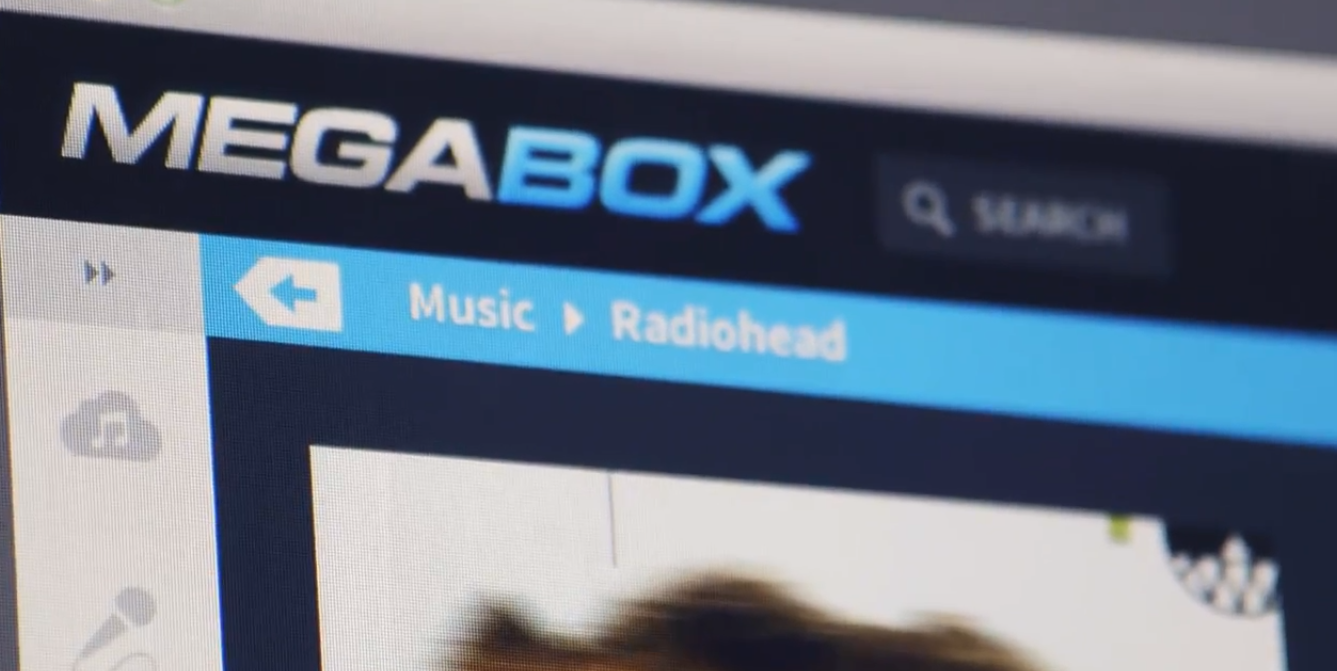
megabox

Controversial entrepreneur Kim Dotcom has tweeted that his next business venture will launch on the first anniversary of the police raid at his New Zealand home. The Department of Justice, however, has issued a warning that this may not be in his best interest.

Kim Dotcom has tweeted that he intends to launch his new Mega business venture on the first anniversary of the police raid at his New Zealand mansion. The tweet says “Announcement: The new Mega will launch exactly 1 year after the raid with a #MansionPressConference & #DoomsdayLaunchButton.”

The raid took place on January 20 2012, so we can expect Mega to launch in just under three months time. There are few firm details concerning Dotcom’s new venture, with the controversial entrepreneur releasing only small amounts of information, and a vaguely explanatory video.

What is clear however, is that it’s as legally dubious (and in this case, morally too, thanks to the system’s close ties with malware) as Megaupload was, and the Department of Justice has already taken a dim view of Dotcom’s future business plans. According to Dotcom’s bail agreement, he would not and could not restart Megaupload or a similar business, and had been completely shut down.

Megabox sounds similar enough to cause problems, and the Department of Justice has issued a statement saying “If defendant Dotcom intentionally misled the court in New Zealand about his intentions and capabilities … [it] might endanger Dotcom’s bail situation or even subject him to additional charges.”

It certainly looks like Dotcom is playing with fire, and could be underestimating the DOJ’s overwhelming desire to see him pay for his “crimes,” thanks to some recent courtroom wins and his sudden rise to Internet stardom.

Going back to the announcement tweet, the Mansion Press Conference hashtag speaks for itself — and will undoubtably be entertaining spectacle, should it all go ahead — but the Doomsday Launch Button may need a little more explaining.

It’s a reference to the FBI’s belief that Dotcom had a “doomsday device” in his possession, which could remotely wipe all the servers with evidence of Megaupload’s existence at the touch of a button. This was one of the reasons why a dawn raid on Dotcom’s home was considered necessary. Of course, he didn’t have anything of the sort, but he’s clearly going to play it up for Megabox’s launch.

Will Megabox really launch in the New Year, and will Dotcom avoid further prosecution if it does? At the moment, we have nothing other than his word that it will. Let’s see if he can live up to it.


Source : digitaltrends[dot]com

Oct 17, 2012

When Tasering goes wrong: UK cops use stun gun on blind man, mistook his white cane for samurai sword

Poor Colin Farmer was minding his own business last Friday when he was Tasered by a cop who mistook his white cane for a samurai sword.

In the UK, the vast majority of cops don’t carry guns. When trouble occurs, they have only their baton and powers of persuasion to deal with the situation. In recent years, however, more and more cops have been issued with Tasers.

As you probably know, a Taser is a kind of stun gun that allows a cop to administer an electric shock to a person who is out of control or refusing to co-operate. While it can be an effective tool for law enforcement agencies, use of the device can sometimes go horribly wrong – like it did last Friday in Lancashire, north-west England.

In an incident that would be amusing if it wasn’t so shocking (no pun intended), a cop messed up big-time with Colin Farmer, a 61-year-old blind man who walks with the aid of a white cane.

Somehow the cop, who apparently isn’t blind, mistook Farmer’s white cane for a samurai sword (yes, a samurai sword) and fired the Taser at his back, administering a massive electric shock in the process.

Farmer, who was taken to hospital following the incident, has – not surprisingly – made an official complaint which is now being investigated by the UK’s Police Complaints Commission.

Speaking to the Guardian about what must have been an utterly terrifying ordeal, Farmer said he’d been walking down the street Friday evening when he suddenly heard lots of shouting. He had know idea it was the police. The next moment he felt something hit his back.

“The Taser hit me in the back and it started sending all these thousands of volts through me and I was terrified,” Farmer said. “I mean I had two strokes already caused by stress. I dropped the cane involuntarily and I collapsed on the floor face down.”

He continued, “I was shaking and I thought ‘I’m going to have another stroke any second and this one is going to kill me. I’m being killed.’”

Farmer said he walks so slowly that the cops could easily have walked past him first, or driven past, to confirm that it was a white cane he was carrying and not a samurai sword.

Chief superintendent Stuart Williams of Lancashire Police managed to throw at least a little light onto what had happened, saying that prior to the incident a number of sightings of a man wandering around with a samurai sword had been reported to police.

“One of the officers believed he had located the offender,” Williams told the Guardian. “Despite asking the man to stop, he failed to do so and the officer discharged his Taser. It then became apparent this man was not the person we were looking for and officers attended to him straight away.”

He added, “Lancashire Constabulary deeply regrets what has happened. We have clearly put this man through a traumatic experience and we are extremely sorry.”

A man with a samurai sword was later arrested by police – and no, he wasn’t Tasered.

While Tasers may be a useful tool for police, it seems that some cops in the UK need better training on when to use them. Lessons on how to tell the difference between equipment that helps guide the blind and lethal weapons that can cause horrible injuries are evidently also required.


Source : digitaltrends[dot]com

Oct 11, 2012

Sony opens a whole new PlayStation Store on Oct. 17

playstation network

Sony delivers a redesign of its PlayStation Store after 6 years. How does it fit into the facelift of its overall gaming business?

Nintendo’s quietly building hype with its Wii U, selling out pre-orders at every retailer around, from its own Nintendo World Store to GameStop. Microsoft is letting the Xbox 360 speak for itself this fall, with a rock solid library, reliable releases like Halo 4 and Xbox Live community staples like Call of Duty: Black Ops 2 to carry the device through what’s likely its last full price season. Then there’s Sony. It’s not entirely clear what Sony is doing with its PlayStation business, other than giving the brand a quiet makeover.

The latest facelift to hit PlayStation: Sony announced the details of a full makeover for the PlayStation Store on PlayStation 3.

Long overdue, Sony finally made public its much-rumored plans to refresh its digital game storefront on Thursday. The redesigned store will go live next Wednesday, and bring with it what Sony hopes will be a markedly smoother shopping experience, opening up what’s become a substantial catalog of retro and modern downloadable games.

What’s changed? Everything. The baby blue theme that has become the trademark of the PSN, key in its little shopping bag logo, has been replaced with a sleeker black and grey theme that recalls Sony’s industrial design (televisions, consoles casings, etc.) The store itself is laid out quite similarly to the current Xbox Live dashboard, with large windows advertising new releases in categories like Movies and Games. The cosmetic shift bellies the more user friendly changes though, as categories for products expand not unlike the Cross Media Bar (XMB) used for navigating the PS3 itself. Selecting PlayStation 3 Games will bring out a slider menu that lets you explore options by price, release date, and other sub-categories that should help people better discover things as well as find things they’re looking for. Even search tools have been overhauled.

“Everyone is trying to solve the same kind of problems, but each [eCommerce] ecosystem is different,” game store development manager Elliott Dumville told Eurogamer, “We have a sense of PlayStation values that we want to be true to, and we need to deliver on that as well as solving interface issues.”

A solid makeover to keep the platform relevant and people spending on the product. It’s the same ethos behind the facelift given to the PlayStation 3 itself, a new model that’s lighter, smaller, and cheaper to make. The only problem is that, while Sony is doing the leg work to make PlayStation more approachable and appealing as a service and as a machine, it’s not offering the full package of new exclusive content and a lower price to go with it. The new store may seem like a small change, but it could be significant for Sony were it brining in a huge number of new users this fall with a cheaper machine. It isn’t though.


Source : digitaltrends[dot]com

Oct 3, 2012

PlayStation Mobile platform is one more confused corner of Sony’s fractured brand

Sony's PlayStation Mobile opened for business on Wednesday, but the platform is representative of the company's problems with clarity.

 playstation vita

After a year of beta testing and a particularly wise name change, Sony’s PlayStation Mobile platform is now available for the PlayStation Vita, Sony’s Xperia smartphones, and a number of other portable devices that fall under Sony’s PlayStation Certified classification, including tablets from ASUS, HTC phones, and the WikiPad gaming tablet. Much is riding on PlayStation Mobile. Sony needs it to act as a thread binding together its struggling portable gaming business, its faded Xperia brand, and its nascent PlayStation presence in the broader Android market. Sony needs PlayStation Mobile to be Apple’s App Store, and it needs to achieve that goal without the benefit of being identified with specific devices. Will it work?

There are factors working in Sony’s favor. PlayStation Mobile and its games are tied with the Sony Entertainment Network, the home of its entertainment services like Qriocity, and its subgroup, the PlayStation Network. As of March, Sony claimed it had 90 million registered PlayStation Network accounts. While that figure by no means represents individual paying customers—many of those accounts are duplicates or inactive—that’s still a huge audience of users that can seamlessly use PlayStation Mobile without having to set up an entirely new account. A PlayStation 3 owner with an HTC One that wants to play the original Crash Bandicoot only needs to download the app to get going.

Or at least they would have been able to. A huge factor working against PlayStation Mobile is Sony’s decision to bar classic PlayStation games on the platform. The potential to bring games from old Sony consoles to mobile devices could have helped get people interested in the platform. It previously offered a selection of PSOne classics on Xperia phones, and it wasn’t unlikely that it would at some point offer PlayStation 2 games through PlayStation Mobile as well. (It already offers them as PlayStation 3 downloads through the PlayStation Network.) It announced at Gamescom that classic games would only be available on its devoted gaming machines.

Original games, however, are also a problem for the PlayStation Mobile network. A presence on moderately popular Android phones from HTC isn’t enough to make up for the low consumer penetration of PlayStation Vita and the Xperia line. What incentive to developers have to bring their games to PlayStation Mobile? Without decent original games, how will Sony get people interested in buying games from the service?

PlayStation Mobile is out in the wild now, but Sony doesn’t have the software to make it a success. It’s one more example of Sony’s fractious structure. If PlayStation Mobile is to be a success, it needs parity across all platforms.


Source : digitaltrends[dot]com

Sep 28, 2012

Mr. Internet goes to Washington: How Web lobbying affects you

congress internet lobby group

The Internet's increased lobbying presence in Washington is sure to be good for business — but could it be good for Web users, too?

In a sure sign that the Internet industry is growing up, two new Washington Internet-centric lobbying groups have launched in the past month alone. This means more money, expertise, and other resources will be funneled toward the goal of making Internet-related issues important in Congress. 

First up, we have the Internet Infrastructure Coalition (i2Coalition), a consortium of companies “who build the nuts and bolts of the Internet,” as the group describes itself. Next, The Internet Association — an interest group powerhouse fueled by a list of Internet titans, including Google, Amazon, Facebook, Yahoo, and eBay, among others.

So Internet businesses are rallying together to have a concerted voice in Washington. But what does that mean for you and me, the people who use and rely upon the Internet every day? Let’s take a closer look at who these groups are, what they aim to accomplish, and what their actions could mean for the future of the Web.

i2coalition

i2Coalition

Leadership: Co-founder and Chairman Christian Dawson, COO of ServInt

Members: Officially launched on September 17, the i2Coalition is currently made up of 42 infrastructure-related companies — the companies that own and operate the more technical side of the Internet, like data centers, cloud computing companies, and domain registrars. This includes companies like cPanel, Rackspace, Softlayer, and Endurance International Group. At the moment, the companies involved in i2Coalition are lesser-known, at least when compared to companies like AT&T or Verizon, both of which fall into the Internet infrastructure category.

See the full list of members here.

Goal: To better educate lawmakers about the workings of the Internet, and push for policies that “encourage the growth and development of the Internet infrastructure industry,” according to the official policy statement. Specifically, i2Coalition will push back against further government regulation, fight taxes related to Internet activity, and promote awareness of Internet issues in the media.

It will also fight against “any new laws…related to Internet copyright and/or intellectual property protection” that might erode current “safe harbor” provisions for Internet companies. And it will “opposes legislation enabling law enforcement organizations to search, seize or otherwise interrupt communication without Court-approval and probable cause or in a manner inconsistent with the U.S. Constitution.”

The group maintains that human rights like “freedom of speech, freedom of assembly, and the protection of personal privacy,” are “essential” to “Internet advancement” and the preservation of “a free and open Internet.”

Read i2Coalition’s full policy statement here.

Internet-Association

The Internet Association

Leadership: President and CEO Michael Beckerman, former Deputy Staff Director for the House Energy and Commerce Committee

Members: While we’ve known about The Internet Association since the end of July, the group didn’t officially launch until September 19. Unlike the i2Coaltion, members of The Internet Association couldn’t be more high-profile. The 14 members companies are: Amazon.com, AOL, eBay, Expedia, Facebook, Google, IAC, LinkedIn, Monster Worldwide, Rackspace, Salesforce, TripAdvisor, Yahoo, and Zynga.

Goal: According to The Internet Association’s mission statement (PDF), the group seeks to “protect and preserve the free, innovative, and decentralized architecture of the Internet.” This objective is broken into three parts:

  • Protecting Internet freedom: From government censorship, interference, taxes, regulation, and other controls.
  • Fostering innovation and growth: By maintaining the “low-to-nonexistent barriers to entry” for Internet-reliant small businesses.
  • Empowering users: By supporting policies that allow users to take full advantage of innovations, like cloud computing and storage, as well as supporting a diverse range of business models employed by Internet companies (think user-generated content on Twitter, Facebook, or Reddit).

Common causes

Leslie Harris CDT

To sum up, the purpose of i2Coalition and The Internet Association is to promote policies that are good for the various businesses interests they represent. And both groups have pointed out the involvement of their members in the fight against SOPA and PIPA. But as we have seen with other industries, what’s good for business is not always good for consumers. So will the Internet’s new lobbying bodies fight for you, or just for their stock holders and bottom lines?

To answer this question, I reached out to Leslie Harris, president and CEO of the Center for Democracy & Technology (CDT), a key organization in the fight for Internet freedom that focuses on the rights of Web users. According to Harris, the efforts of these groups should help Web users in a number of important ways.

Jobs

The i2Coalition cites estimates from Tier1 Research that the U.S. Internet infrastructure industry generated $46 billion in direct and indirect revenue in 2010, with an expected growth of 20 percent by 2013. Further, The Internet Association’s Beckerman says that Internet businesses contributed “a full 15 percent of U.S. GDP growth in the past five years.” These groups will both push to boost these numbers even higher through beneficial legislation — something Harris believes will help create jobs around the U.S.

“I think there’s going to be a strong focus in a very traditional political way on educating Members about how the Internet provides economic value in individual districts,” says Harris. “There’s this view, somehow, that [Internet jobs are only] in Silicon Valley. I think the average Member sees it as separate from their own constituency, rather than understanding the percentage of their constituents that may in fact run businesses off the Internet.”

Smarter policy, open Internet

Second, says Harris, we will likely see fewer bills come out of Washington that fail to take into consideration the technical workings of the Internet and the Web.

“Hopefully, this will raise the level of awareness about how the Internet actually works among policy makers [in Washington, D.C.],” says Harris. “If that is the case, you will see fewer SOPAs, and more nuanced policy which does not pose a threat to the Internet itself and to users.”

“I believe that The Internet Association is really going to be focused on Internet openness and freedom,” adds Harris. “So, in some ways, they are going to be delivering a message about the importance of keeping the Internet open, the importance of looking at policies through the freedoms of users. And in that regard, they could have a very important impact on the everyday users of the Internet.”

Better services

In addition to the creation jobs, i2Coalition’s Dawson says that his organization will also help deliver better Internet service all around, including faster service that reaches more Americans, especially those in rural areas.

“The average Web user may not understand the ‘nuts and bolts’ that go into bringing them their websites on a daily basis — they just want them to be fast, reliable and always available,” Dawson told me in an email. “Our formation will help ensure that a Web user’s Internet experience keeps getting better, safer, and more open.”

Discord

As good as this sounds, there will almost certainly be areas where business and user interests divide. According to Harris, issues like user privacy, and certain consumer protections will likely be areas of contention. However, says Harris, “I do think that there are a lot of issues where what’s good for Internet users is good for Internet companies. And on those issues, you’ll see common cause.”

“There have been lots of other loud voices, whether they are copyright voices or children’s safety voices, lots that have valid interests,” she adds. “But this will be the first time where corporate interests share the kinds of values that organizations like mine work towards.”


Source : digitaltrends[dot]com

Moo introduces NFC-enabled business cards, making real world connections more digital

UK-based startup Moo.com announces NFC business cards so you can digitalize the way you meet new professionals.

In this ever-evolving world of technology, it’s still nice to know that when strangers meet in a professional setting, physical business cards are still something people invest time and creativity into making. United Kingdom-based startup Moo.com is now further digitalizing the business card by adding an option for a Near Field Communication (NFC) microchip to be embedded into your cards so you don’t even need to hand over a card if you’re running low.

Moo NFC business card Samsung Galaxy S3With an NFC chip incorporated into your card, you can told tap it against an NFC-enabled phone and the phone can perform the command you selectively programmed into your card. This can range anywhere from downloading your resume PDF from your website, opening up your portfolio web page, adding yourself as a contact, checking into your Foursquare office location, locating your office on a map, or linking to your Facebook or Twitter profile. It’s a quick and new way to break the ice with business cards, and you can rewrite the NFC chip with different functionalities to keep things updated. 

“We’ve always aimed to upset the existing order within print – to do new things, think in exciting ways, and to go where no man has gone before,” Moo writes in its announcement blog post. “With the roll-out of our NFC cards, and our recent acquisition of Flavors.me, a design-led personal identity site, we are showing our commitment to expanding online personal and professional identity creation.”

For a limited time, Moo is offering 150,000 free NFC-enabled cards with your next order so you can sample the new technology. The company is also planning to release an accompanying Android app to help you program your NFC business cards.

For those who want to get in on the socially interactive NFC action but don’t particularly need it in a business card capacity, you can always check out the Samsung TecTiles, which essentially do the same thing but you can apply the NFC stickers anywhere you want: tabletops, cashier counters, wallets … whatever surface retains stickiness.

Check out the video below to learn more about Moo NFC-enabled business cards.

NFC Business Cards from MOO from MOO.COM on Vimeo.


Source : digitaltrends[dot]com

Sep 24, 2012

Free Zerg Rush: Is Blizzard making StarCraft 2 free to play?

starcraft 2 free to play

Blizzard remains the king of PC game sales. Will StarCraft 2 free to play multiplayer revolutionize the studio's business?

Blizzard’s future: All you can eat Zerg rushes, no charge.

In a PC video game market that is increasingly supported by free-to-play sales models—where a base level game is given away for free and players purchase in game items, currency, or access to more of the game in small transactions—Blizzard Entertainment remains a powerful hold out in full game sales. Diablo III, World of Warcraft’s expansions released over the past four years, and StarCraft II have all sold millions of copies at $50 a pop or more. Even the best-selling PC game studio in history can’t stop progress though, and free-to-play games are going to be an inevitable part of its future. StarCraft II may be the first Blizzard game to bite the free-to-play bullet.

Speaking at a panel during the Valencia eSports Congress, StarCraft II lead designer Dustin Browder said that Blizzard is considering making at least portions of its globally popular strategy game free. “[Blizzard is] looking at free-to-play as an option for the multiplayer,” said Browder according to PCGamesN. The problem is to how to make it work.

“We don’t know how we would monetize it,” said Browder, “While it might be good fun for me to play against someone with only half the units available to them, that’s not going to be an enjoyable experience for them.”

The monumental popularity of Blizzard’s games means that the company can take its time finding the ideal way to monetize free-to-play versions of its games. Diablo III sold 3.5 million copies the first day it was on sale in May, and an additional 1.2 paying World of Warcraft players downloaded the game as well, bringing the game’s total first day population above 4 million. That’s more than Diablo II sold during its first full year on shelves. Diablo III is the fastest-selling PC game ever made. The previous record holder: 2010’s World of Warcraft: Cataclysm, which sold 3.3 million copies in 24 hours.

StarCraft II, meanwhile, sold 1.5 million copies in its first 48 hours on shelves, and an additional 1.5 million copies over the next three months in 2010. That far exceeds the sales of most full price PC games, but it’s still not up to the standard of Blizzard’s other marquee properties. With two more StarCraft games on the way, StarCraft II: Heart of the Swarm and StarCraft II: Legacy of the Void, can free-to-play bring the series’ profitability in line with Diablo and Warcraft?

The bigger question: If you make StarCraft 2 free to play, will people continue to buy the full version?


Source : digitaltrends[dot]com

Sep 22, 2012

Linda Ikeji’s Interview with Ndani TV Reveals ₦600,000 (Per Banner Ad Per Month)

In this exclusive interview with one of Nigeria’s bloggers Linda Ikeji, She reveals how she built a multimillion naira blogging business, Linda reveals how she makes 600,000 Naira (approximately $4,000) per banner ad per month on her blog, top header banner could be as high as a million ($7000) per ad

This video is courtesy of Ndani TV – watch the video, I’m interested in your comments

Tags: Linda Ikeji, Linda Ikeji Blog, Lindaikeji.blogspot.com, Ndani by Gtbank, Ndani Nigeria, ndani.tv

Source : techtalkafrica[dot]com

Sep 12, 2012

Why the Toys ‘R’ Us Tabeo will fail, while Chuck E. Cheese flourishes

toys r us tabeo tablet for kids

While one kid business is trying desperately to keep up with tech and failing, another effortlessly thrives without it. What’s going on?

As the father of a three-year-old, I visit Chuck E. Cheese’s quite a bit, about once a month or so. It always amazes me how, in an age where most children have just as much entertainment power packed into their phones as the building has within its walls, Chuck E. Cheese is always a picture of ankle-biter chaos. The video games are antiquated. The carnival games are archaic. Yet children flock there by the carload.

Meanwhile, Toys “R” Us has been scrambling to stay relevant in an age where tech is replacing toys. It announced this week that it would begin selling its own kid-friendly tablet, the Tabeo. While it sounded a little strange, it also sounded strange for retailer Amazon to sell tablets. It also sounded strange for computer manufacturer Apple to become a retailer. If anything, it shows how traditional businesses have to contort themselves to keep up with tech.

But Chuck hasn’t changed his business model. He hasn’t replaced every video game with tablets wired to the tables. Children still strive diligently and stupidly for tickets that can be redeemed for highly disposable gifts. The pizza, though surprisingly good, is still overpriced and greasy.

How can one business, which should have obviously been replaced by our new technologies, still thrive while another, whose business model seemed technology-proof (kids still need toys, especially young ones), is left teetering and might be a little too late to the “if you can’t beat them, join them” party?

I believe the answer lies in the experience and the lessons to be learned come not from Chuck E. Cheese’s, but from the Level 50 Grandmaster of children’s entertainment: Disney.

The company’s suite of Watch Disney apps allow you to watch its content from anywhere using mobile devices you already own. Its flagship Disney Channel network is still running without commercials, making its popularity among parents undeniable (for parents of small children, commercials are the devil because the child inevitably wants whatever useless tchotchke appears in the spaces between their favorite show). Its famous theme parks somehow reel in more visitors every year, despite the tough worldwide economy.

Disney hasn’t abandoned its core business or ignored the changing tastes and attention spans of its target audience. The company has been using tech to augment what it has always offered, in the process increasing their relevance with yet another generation of children. Although things in tech can change in minutes, to my knowledge Disney is not releasing a tablet.

toys r us closed tabeo tabletToys “R” Us, on the other hand, is. It seems like a futile attempt to crack open a revenue stream that has passed it by, sort of like trying to catch the sand from an hourglass in your hand. When people stopped visiting the stores, they became dank and desolate. This only served to make even less people visit.

The company’s wrong move wasn’t doubling down on technology too late — it was failing to leverage its core business at all in the face of technology.

Toys “R” Us needed to be the anti-Internet. It needed to be a clean, well-lit place that children and parents could go to play with many samples of toys with very little pressure to buy. Take as much time as you need. Before you know it, a kid gets hooked on the toy that they were playing with, not a gadget or an app. Another sale is born. Like Chuck E. Cheese’s, kids would beg to visit even though it means having to unplug. Parents would be more likely to buy toys, because it hopefully means the kid would unplug at home as well. He might even go outside and play!

Toys “R” Us could have been one of our nation’s greatest defenses against a generation of information-addicted obese children. Instead, it could end up being just another K-Mart. Or Borders. Or Circuit City. Or…

[Image credit: Retailmania/Flickr]


Source : digitaltrends[dot]com

Sep 7, 2012

How Video Podcasting Can Grow Your Business

Blogging is something that just about every business is doing, and it’s a good idea to keep up with your blog. However, you might want to add some other types of content to the mix, as well. A business that does video podcasts can engage with visitors more easily, and it can help to keep peoples’ attention more than most blogs alone can do.

You Have More Outlets

In addition to posting your video podcasts on your site, you have quite a few other outlets where you will be able to post them as well. You will certainly want to set up a page on YouTube for your business, and you can post all of the video podcasts to your page. In addition, consider adding your video podcasts to iTunes as free downloads. Look around the web, and you will start to find other place where you can upload your videos.

Why would you want to add your videos to more outlets? When you have your video in a number of different places, with links back to your site, you will find that it can help to bump your business’s page ranking on the search engines. In addition, you are going to be exposing your company and your brand to people who would not have been able to see your information if the only place you posted was on your own site. It is a great way to get more people to come to your site and to learn more about what you have to offer. Thus, it can be a great way to boost and grow your business.

Are You Ready for Video Podcasting?

Of course, you need to make sure that you are ready to start a video podcast. A poor quality video is not going to endear you to viewers, so make sure that you truly are ready. Here are some tips.

First, make sure that you have the right equipment. You need to have a good camera, a good recording system if the camera’s microphone is low quality, and a way to edit the videos. Fortunately, the cost of equipment is within the range of most budgets today. Second, make sure that you have some type of script to follow, even if you only follow a loose script. This helps to keep you on topic. Third, make sure you do a couple of practice videos to get comfortable on camera.

When you shoot video and use it the right way for your business, it is possible to get more attention and more clients, regardless of the type of business you have.

Author Bio: Helene Lazarenco is a dedicated writer at Kepard.com. She is passionate by Technology, Security software and Blogging. Don’t forget to try out VPN services when need a reliable Free VPN (warning: totally different.)

Tags: Video Podcasting

Source : techtalkafrica[dot]com

Honest Feedback is what You want? Try These Ideas

It is nice to check the statistics available at Google Analytics to infer the intention of the visitors and to form an idea of what the visitors want from your business. Google Analytics is good but not great, when it comes to gathering real inputs from real audience. It is good for guesswork but who care about guess work when you can get direct feedback from real audience of flesh and blood. Getting feedback directly from the audience has its own share of benefits. Apart from leaving out the guesswork, you will get exact reason why some people are not converting. You may find out the reason why people are not that interested in creating an account with your website or what causing them buying your products less frequently. These are some of those questions that can make or break the fate of your business. Therefore, you need to have definite answers to them. No guess work please. So, here we are going to show you some ways to get direct feedback from your visitors without making them feel irritated of course:

Surveys: Surveys inarguably are the lifeblood of gathering feedbacks. The best thing about surveys is that you can set them easily and the result is tangible i.e. you can easily analyze them. But there are some cardinal rules of setting up surveys that you should not ignore.

It has to be short. People are busy these days and that being said, you simply cannot expect that your loyal visitors will take the pain to fill out a form because that would cost them 10 valuable minutes of their lives. Nope, they might not be that interested in making that huge sacrifice. Try to keep the number of questions to logical limit. Do not ask more than 5 questions and never ever try to add more than 10 questions under any circumstances. Make it short and sweet unless you do not mind seeing higher rejection rate.

Questions should have a purpose. Since people will be voluntarily wasting their time to give feedback about your products, you should not include questions that do not serve any purpose. Even one single useless question can hurt the entire process. Include only those questions that are essential to help you improve customer retention or providing better users’ experience.

Add open Minded Question. If you are only giving your visitors options to choose from, you cannot always expect the right answer. Therefore, you should keep a provision for users to add feedback about your products and services. It will help you get honest feedbacks.

Feedback Boxes: Experts say that customers know your business better than you do. This is the reason why it is important to have direct feedback from them. Since they are browsing your website 24X7, they might face some issues that your testing department might have missed out on. Or else they might have found something broken in your website. Now as the problem is yours, in the majority of cases, visitors will not call your tech support team to describe the problems they are facing rather they will just leave your website feeling irritated and frustrated. This is where feedback forms can do wonders.

The purpose of using feedback form is that it simplifies the way visitors can inform the webmasters when they find that something is not working or when they find a nice idea that, you can give a try. Now do not cram the feedback form with bells and whistles because it will scare the hell out of the visitors. Just name, contact details and a field to add the feedback will do. And do not forget to do experiments with the position of the feedback boxes; you may never know when you strike pure gold.

Tracking Individual User Activities: With Google Analytics, you will be able to track things like – which sections of your website are most visited or where visitors are spending most of their time. But this will all give you an idea of the performance of the website as a whole. To be able to have customized reports on individuals, you need to give a try at customer analytics.

When you are measuring the outcome of a free trial offer, you need to check all the details of all the individuals who have subscribed for the product. You need to have details of things like – how many people actually use the trail version and for how many days, what was the average time spent on the trail version of the products, were they using the trail version regularly etc. Check all the details very carefully and you will be able to come to a conclusion.

For say, if you find that people were actually using the trail version regularly but they are still not upgrading to pro version, there should be something wrong with the pricing. Alternatively, if you find that people are not returning to your website after being subscribed to trail version, the product is not that great. These are few things that you can gather intelligence from.

Usability Testing: Would it not be nice if your website were judged by a stranger? Definitely, it will. Since he does not who you are or what your website is all about, he can give you feedback, which is not influenced by previous experience or something like that. Previously, it would have cost you an arm and leg to get your website tested by an agency, but now things have changed. You can pay a nominal amount in any of the available users testing websites and you will get real feedback from real visitors about anything you like.

Author Bio
Michael Evans is passionate about search industry and web design. He is currently associated with MotoCMS where you can find wide range of Flash templates to choose from.  You can contact him at – michaelevansnet@gmail.com

No tags for this post.
Source : techtalkafrica[dot]com

Sep 6, 2012

Why the Lumia 820 and 920 won’t save Nokia

Stephen Elop and Steve Ballmer Nokia Lumia 920

Are the Nokia Lumia 820 and Lumia 920 the blockbuster phones Nokia needs to reignite its phone business? Probably not.

When Nokia declared defeat on Symbian and stacked all its remaining chips on Windows Phone, the company’s fate was sealed. With the Lumia 900, that bet didn’t go so well. 

Now it’s rolling the dice one more time with the Lumia 920 and Lumia 820. Are these the smartphones that will save Nokia?

The answer, sadly, is “probably not.” Unfortunately for Nokia, the scales of the smartphone market are tipped against it right now, and the only a pair of game-changing devices could tip them back. The Lumia 920 and 820 don’t carry that weight. Here’s why.

New phones…or an updated Lumia 900?

nokia lumia 920 and 820

In terms of specs, both the Lumia 920 and the Lumia 820 are competitive with devices like the Samsung Galaxy S III and other mid- to high-end smartphones. That’s part of their problem: There’s little about the new Lumia hardware that stands out at first glance, other than swappable neon-colored cases. In fact, the new Lumia’s specs aren’t all that different from their predecessors, the Lumia 800 and 900, in many respects. The Lumia 900 offers a 1.4GHz processor, 4.3-inch 800 by 480-pixel AMOLED display (same dimensions as the new Lumia 820), an 8-megapixel Carl Zeiss camera, and support for 4G LTE networks. Add Qi wireless charging and a more-sensitive screen, and you’ve essentially got a Lumia 820.

It wouldn’t be hard to argue that one of Nokia’s new flagship phones is slightly warmed-over version of its previous flagship phone: You know, the one that didn’t sell well and that Nokia wound up issuing full-price rebates on because of a software gaffe.

PureView: “It’s a brand, not a technology”

Nokia Lumia 920 prototype pureview image

The specs above on the Lumia 920 gloss over a genuine hardware innovation: the PureView 8.7-megapixel camera. Seeing the name PureView immediately recalls the recent Nokia 808 smartphone. The 808 is based on the moribund Symbian platform, but it sports a unique and stunning 41-megapixel camera. That doesn’t mean the 808 takes 41-megapixel pictures; it uses all the extra capacity in the sensor to offer high-quality zoom and noise reduction. It’s really quite cool, and totally unique. Nokia introduced PureView as a fundamental rethinking of how mobile cameras can operate — and delivered.

Nokia 808 pureview 41 megapixel sensorNone of that PureView is in the Lumia 920. Instead, the Lumia 920 offers a high-quality Carl Zeiss 8.7-megapixel camera. It’s not a stock part: None of the camera components area derived from previous Lumia offerings, and it’s all-new from the flash (twice as powerful as Nokia’s previous LED flash) to the housing. The most significant item on the new list is optical image stabilization, which works to keep the camera lens physically steady and capable of taking sharp, unblurred pictures even in shaky hands. No other smartphone has this technology yet. The floating optics make the camera bigger than most other phone cameras, but Nokia still packed them into a device that measures just 0.42 inches thick. If you’re a photography aficionado, you’re applauding right now.

However, the Lumia 920′s camera means Nokia is now positioning PureView as a brand, rather than a specific set of technologies. The Nokia 808 represented the first “phase” of the technology; the Lumia 920 represents a second “phase” aimed at improving low-light use and reaching a broader range of consumers. Nokia wants PureView to denote a premium imaging experience of some sort, regardless of the specific technologies in play.

That’s a mixed message if we’ve ever seen one.

Nokia says the combination of image processing and high-quality optics make the Lumia 920 worthy of the PureView brand name. In fact, Nokia’s Damian Dinning — who has spent five years developing PureView technologies, took to Twitter this week to argue exactly that. Early reports of image quality in the Lumia 920 are quite positive, particularly in low-light situations, and Nokia is expected to bring out lens “apps” to add functionality via software. 

Nonetheless, the consumer camera market largely hasn’t gotten past the megapixel argument. Show a typical buyer two $99 cameras, one with an 8-megapixel sensor and one with a 14-megapixel sensor, consumers will almost always buy the 14-megapixel camera because “more” is better. Some may make a different decision based on size, battery type, features like an optical zoom, or even image quality, but megapixels are still the primarily marketing point for digital cameras.

From a marketing perspective, Nokia would have been better off skipping the PureView brand entirely and trumpeting the Lumia 920 as “the first phone camera in the world with optical image stabilization.” That’s a tremendous accomplishment. Instead, the Lumia 920′s PureView camera comes across as a watered down version of technologies originally meant to support a 41-megapixel sensor. That’s if consumers are aware of the 41-megapixel PureView camera at all — otherwise, the Lumia 920 is just another phone with an 8-megapixel camera. Don’t they all have that these days?

No firm prices or launch dates

Nokia Jo Harlow Nokia Lumia 920

Nokia’s press event in New York City today basically amounted to a stunt. With Apple preparing to unveil the iPhone 5 on September 12, major technology companies (like Motorola and Amazon) have been scrambling to introduce their products ahead of Apple for two primary reasons:

  1. Apple product announcements garner an incredible amount of press and consumer attention. Pre-empting Apple could potentially take some of the wind out of Apple’s sails.
  2. Pre-empting Apple means a company’s newly-announced products mostly get compared to Apple’s existing product line, rather than whatever the notoriously secretive Apple has up its sleeve.

However, Nokia has failed to account for two factors that make Apple’s hardware product announcements so devastatingly effective:

  1. Apple always announces pricing when they introduce a product.
  2. The new product is always available for pre-order — if not outright sale — shortly after the announcement.

Nokia did neither of these things. The company offered no timeframe for when the new devices would be available, save that they would land in the last three months of 2012. The company has revealed no pricing information. Few expect that the Lumia 920 would cost more than an iPhone or a high-end Android phone, but right now, there’s no telling. Some industry watchers are speculating Nokia will follow the path of the Lumia 800 and 900 and price the devices at $49 and $99 (on contact) in an effort to attract buyers.

Windows Phone fans feel burned, new customers don’t care

Nokia Lumia 820 (alternate)

The lack of pricing and availability information leads to another crucial question: Who is going to buy a new Lumia phone?

The logical answer is that early adopters will be folks who have already bought Windows Phone devices from the likes of Nokia, HTC, and Samsung. After all, they already have an investment in the platform, so stepping up to a new flagship Nokia device might be a no-brainer.

Or is it? Windows Phone 7 debuted in October 2010, almost two years ago, which means that users who were among the very first to jump on the platform are nearing the end of their phone contracts and probably starting to look for a new phone. The new Nokia handsets might be very tempting when they eventually ship.

However, most existing Windows Phone customers did not jump on the platform on Day One. And the Lumia 900 — arguably the best device to date engineered to the Windows Phone platform — only hit the market five months ago. Customers who bought that phone won’t be out of their contracts until 2014.

Moreover, those customers probably feel more than a little bit slighted, since no existing Windows Phone 7 devices will be upgradable to Windows Phone 8. (They’ll get a new start screen with Windows Phone 7.8, though.) Even if folks bought a new Windows Phone just a few months ago, they’ll have to buy a whole new device to get Windows Phone 8.

Put together, that probably means many existing Windows Phone 7 customers aren’t in much of a hurry to snap up the Lumia 820 or 920 when they become available later this year.

Who does that leave in Microsoft and Nokia’s target market?

  • Existing iPhone, Android, and BlackBerry users
  • Folks looking for their first smartphone

Existing smartphone owners are difficult to convert because they already have an investment in apps, accessories, and add-ons for their platform. Once you’re locked in, it’s hard to switch — or not feel annoyed at having to buy Angry Birds all over again for your new phone.

Guess which platform is widely preferred by folks who are looking for their first smartphone? Often, it’s the platforms their friends and family use.

How many people have friends and family using Windows Phone 8? Zero.

The bottom line is that Nokia’s new Lumia phones will be a tough sell all around, at least, when they go on sale. Whenever that might be.

The sand in the hourglass is running out

Nokia CEO Stephen Elop

The Lumia 820 and Lumia 920 may represent Nokia’s last, best opportunity to wow the smartphone market.

But it’s just not enough.

Nokia is hemorrhaging money, and it’s getting very difficult for the company to borrow to keep its operations afloat. Standard & Poors recently downgraded Nokia from BB+ (high-end junk bond) to BB- (a somewhat junkier junk bond). The move follows a similar downgrade by Moody’s (from Ba1 to Ba3) in July. Nokia has put a brave face on these ratings downgrades, noting it has a few billion euros in the bank (more than twice its reported debt) and access to 1.5 billion more in credit lines that are good through 2016. That cash position — coupled with cost reductions like layoffs — can keep the company afloat for a time.

But Nokia’s stock price declined nearly 16 percent with the announcement of the Lumia 820 and Lumia 920. Investors — even those willing to consider sub-prime “speculative” stocks — didn’t like what they saw today. Nokia’s stock price is down over 60 percent in the last year.

The stock price and rating downgrades are indicative of how deep a hole Nokia has dug for itself with its all-or-nothing bet on Windows Phone. Most of Nokia’s revenue still comes from feature phones, primarily sold to developing markets, and that revenue is drying up as carriers shift away from Symbian in favor of platforms like Android, or demand deep discounts from Nokia to keep Symbian on the shelves. Nokia’s Windows Phone devices have generally been well reviewed, but not enough people are buying them to make up for the lost revenue. The result is that Nokia is having to cut deals with carriers and discount the phones in an effort to make consumers even consider them. It all smacks of desperation—not a known turn-on for consumers.

Nokia has a few things going in its favor: Microsoft will aggressively promote Windows Phone 8 alongside Windows 8 and Windows RT going into the crucial end-of-year holiday season, which should help make Nokia devices more visible. Mobile carriers are interested in having a third major phone platform that they can play against Apple’s iOS and Google’s Android, so they may be willing to cut some favorable deals to give Windows Phone a chance. And it’s significant that Nokia unveiled these new Lumia phones in the United States: it means Nokia is looking to re-assert itself in the North American market, which it has largely abandoned for the last several years.

But the clock is ticking. Microsoft has a lot of cash. It can afford to keep promoting and iterating the Windows Phone platform for years — just as it has done with its Bing search engine — without making a penny from it.

Nokia cannot afford to play out that kind of long-term strategy. Today’s highly-anticipated announcement from Nokia, leading up to the official launch of Windows Phone 8, was perhaps the company’s best shot at showing it can innovate and disrupt the smartphone market with something truly unexpected.

That didn’t happen. Nokia has enough money for maybe two more attempts. Personally, I hope they can do it.

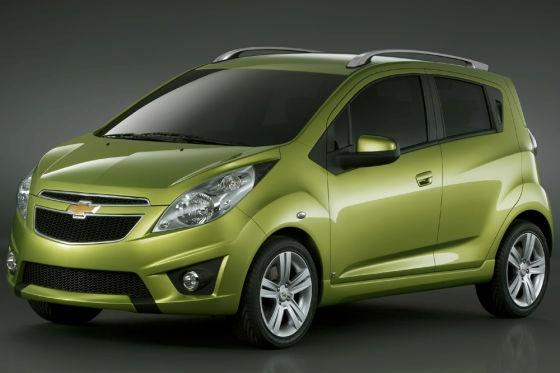
Source : digitaltrends[dot]com

Sep 5, 2012

Michael Jai White finally gets his own action movie franchise

Black Dynamite

After years of paying his dues, inarguably awesome action movie star Michael Jai White has been given his own franchise.

Officially speaking, we write these stories about the movie business to impart important news. All those stories we’ve written over the past few months about Joss Whedon’s blockbuster hit The Avengers were driven purely by your collective interest in that film. The movie pulled in nearly $1.5 billion worldwide, so it seems a pretty safe bet that our readers have some interest in hearing news related to the film and its possible future implications.

That said, we also have a bit of an ulterior motive in mind when we sit down to write one of these things. Ideally we’d like you to walk away from our work having learned something, or with a newfound desire to seek out entertainment that perhaps you had never heard of before.

Why the above disclaimer? Well, it’s great news for fans of Michael Jai White that the man will finally be given the sort of full-featured action movie franchise he has so obviously deserved for years, but it’s also an opportunity to expose White’s work to a larger audience. Many of you have likely never heard of the man, and that’s a shame given that he’s the closest living, youthful analogue we currently have to the larger-than-life badass action heroes of the late 1980s and early ’90s. Imagine a more athletic, martial arts-focused Sylvester Stallone, who can actually act quite well, and you’ve got a decent idea of what Michael Jai White brings to the table.

Alright, proselytizing is momentarily over. Let’s get right to the news. Courtesy Indiewire:

White has signed on to star in what is expected to be an action movie franchise from Moonstone Entertainment, titled Codename: Falcon. The franchise will revolve around a former marine named John ”Falcon” Chapman, described as a “dark anti-hero driven by guilt, who will destroy himself unless given something else to destroy,” making him “a useful weapon-of-last-resort for the foreign ministry.”

The first film in the franchise, titled Favela, is currently in pre-production.

As for the plot behind Favela, Moonstone Entertainment offers the following, PR-approved synopsis blurb:

… Favela sees Chapman traveling to Brazil to hunt down his sister’s killers, in the process discovering an underground world of drugs, prostitution, and police corruption ruled by the Japanese mafia.

That sounds like a pretty standard action movie plot. Something like a hybrid of Commando and any number of John Woo’s Hong Kong classics. Normally that wouldn’t reach out and grab our attention, but again, we’re big fans of Michael Jai White’s work, and his being given a franchise to lead is long overdue.

Listen, we don’t have all day to impress upon you the idea that Michael Jai White should be standing alongside Tony Jaa in your mental roster of our modern world’s most entertaining celluloid heroes, so instead we’ll do this the quick way. When you next fire up Netflix, stream the film Blood And Bone. Many will claim that Michael Jai White’s best work was in the 2009 blaxploitation spoof Black Dynamite, and they’d be absolutely correct, but Blood And Bone is a perfect depiction of the man’s acting talents alongside his inarguable skill at making on-screen violence look both spectacular and horrifically visceral. Blood And Bone fits neatly into the B-movie subgenre, but it’s amazing how many modern big-budget action movies are annihilated by comparison to this flick. If nothing else, it should offer ample evidence that Michael Jai White is a fellow to keep your eyes on.


Source : digitaltrends[dot]com