Pages

Showing posts with label research. Show all posts

Nov 14, 2012

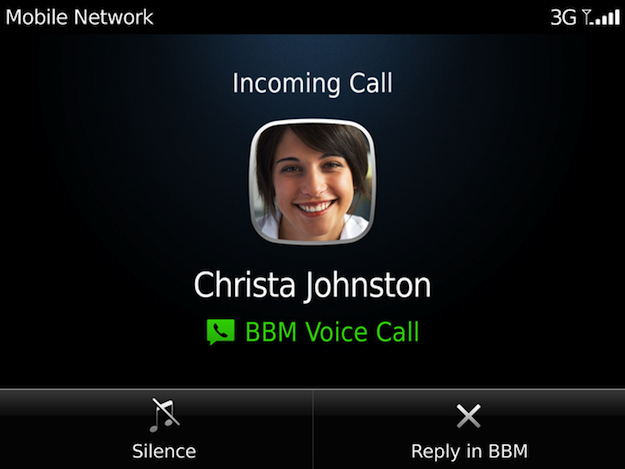
RIM introduces BBM Voice to help convince you and your friends to come back to BlackBerry

BlackBerry BBM Voice

Research in Motion has added an interesting new feature to BlackBerry Messenger named BBM Voice, which lets you call fellow BBM users for free provided your phone is connected to a Wi-Fi network. It's a great idea, provided your friends also use BlackBerry phones.

Research in Motion knows it needs to win back the general public’s support, and it also knows that one way to do so is by coming up with a feature that will save someone money. BlackBerry Messenger was that feature several years ago, as it made use of the BlackBerry network plan you had to pay for anyway, and provided “free” text message conversation with fellow BlackBerry owners.

Now though, a high percentage of the dedicated BlackBerry owner’s friends use iPhones and Androids, rendering BBM a relic from better days past. Now RIM has come up with BBM Voice, which it claims is “for the times when you want to hear a friend’s laughter instead of reading LOL.”

That’s right, BBM has become Skype, as it now offers the chance to call your BBM friends through version 7 of the software, using only a Wi-Fi connection. There are no geographical borders and no time limits, and as it doesn’t count towards your monthly bill, no extra charges either.

RIM makes no mention of whether BBM Voice will break free from a Wi-Fi connection and use a 3G/4G data connection in the future. It’s hardly a surprise, as networks — particularly in the U.S. — are rarely enamored by features that lose them money.

BlackBerry Messenger will show who in your contact list is available to call using BBM Voice, and a split screen display lets you send text messages or files at the same time, plus the service is compatible with Bluetooth headsets too; setting it up perfectly as a way to work collaboratively while away from the office. Those not using a BlackBerry for business will appreciate the chance to avoid massive international roaming bills too.

So, free messages and free calls, all through a single app. Sounds great, right? It is, but — and here’s the problem — to take advantage of BBM Voice, your friends and colleagues all have to have BlackBerry phones too, and as we’ve established already, they’re now using iPhones and Androids.

BBM Voice is a beta program at the moment, but you can bet it will have been perfected by the time BlackBerry 10 arrives after January 30 next year, as being able to say “free calls and messages with BlackBerry 10” should help people take notice of the new OS. All RIM needs is for those people to convince their friends/family/acquaintances/dog it’s a good idea too.


Source : digitaltrends[dot]com

Nov 7, 2012

BlackBerry 10 gets important US security clearance ahead of launch

Research In Motion's upcoming BlackBerry 10 platform has received US security clearance that will allow it to be used by goverment agencies – provided they don't all desert the Canadian company before the new platform launches.

As Research In Motion (RIM) executives count down the days to the launch of its next-generation BlackBerry 10 platform (though one wonders if they really know precisely how many days are left), the company has been pushing out a number of positive press releases recently in an effort to create a silver lining on the gray cloud that has been hanging over the firm for some time.

Last week it announced that development of BB10 had passed what it described as a “critical milestone” with news that it had entered lab testing with more than 50 carriers worldwide.

And on Wednesday evening it issued a statement saying its new BB10 smartphones and its Enterprise Service 10 management console had both received important Federal Information Processing Standard (FIPS) 140-2 security certification from the National Institute of Standards and Technology. This is the first time BlackBerry products have been FIPS certified ahead of launch, the Ontario-based company said, and paves the way for US and Canadian government agencies to use the devices in their work.

Commenting on the news, Michael K. Brown, vice president of security product management and research at RIM, said, “Achieving FIPS 140-2 certification means that BlackBerry 10 is ready to meet the strict security requirements of government agencies and enterprises at launch.”

Talking up the security features of BB10, he added, “What differentiates BlackBerry is that it integrates end-to-end security, and includes certified encryption algorithms for data at rest and data in transit. No other mobile solution has achieved the level of security accreditation that the BlackBerry solution has.”

The certification is undoubtedly good news for the mobile company, though with several agencies in recent months announcing their intention to turn away from BlackBerry handsets in favor of iOS and Android-powered devices, RIM will have its work cut out to get them back on board. It must also work to hold on to those who have so far stuck with its devices.

Happily for RIM, last week the Pentagon said it would continue to support “large numbers” of BlackBerry smartphones even though it’ll also be allowing many of its employees to use the iPhone and other devices.

BlackBerry’s reputation for strong security was what until recently made RIM’s handsets stand out for those who required such features. But for many IT administrators working today, iOS and Android phones now offer more secure and manageable platforms.

RIM has been able to offer a few bits of positive news of late, but the real test will of course come when its new, long-awaited BB10 OS and handsets finally make an appearance.


Source : digitaltrends[dot]com

Oct 31, 2012

BlackBerry 10 phones being tested by carriers as Pentagon says it will keep using RIM handsets

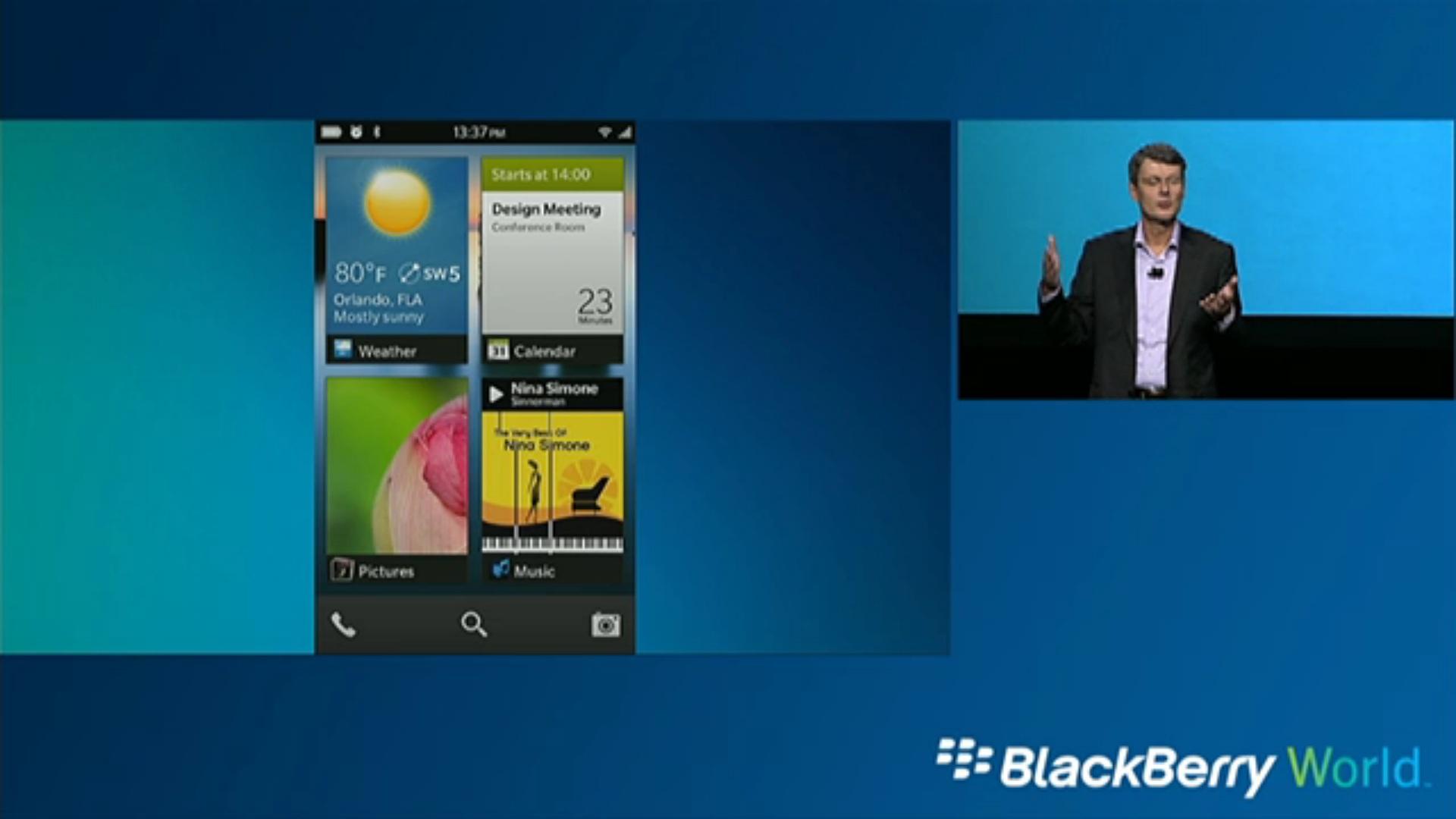
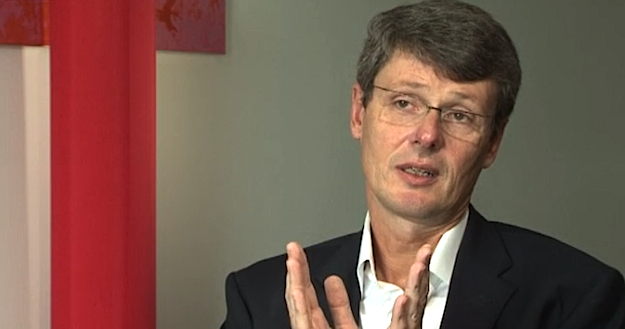
Research In Motion boss Thorsten Heins has announced that devices running the firm's next-generation OS, BlackBerry 10, are now being tested by carriers around the world, keeping it on course for release early next year. Meanwhile, the Pentagon has said it will continue to use BlackBerry devices in its work.

It’s encouraging. It’s a step in the right direction. It might mean Research In Motion (RIM) really will fulfill its promise of a first-quarter 2013 launch of its next-generation BlackBerry 10 OS and handsets.

RIM CEO Thorsten Heins announced in a statement on Wednesday that handsets running the new OS were now being tested by more than 50 carriers worldwide.

Heins said reaching the testing phase meant the company had “passed a critical milestone” in the development of its new mobile computing platform.

“The hard work will not stop here as we build towards launch,” Heins said in the statement, adding, “Our developer teams are continuing to generate momentum to bring a wealth of applications to BlackBerry 10, our enterprise teams have started to present BlackBerry 10 devices and services to our business customers, and our engineers are fully mobilized to ensure that BlackBerry 10 launches flawlessly in the first quarter of 2013.”

In an interview with the BBC last week, Heins urged consumers not to underestimate “the dynamic [BlackBerry 10] is going to create in the market.”

In other news involving the mobile company, the Pentagon made clear this week that it would carry on supporting “large numbers” of BlackBerry handsets despite going ahead with plans to allow the US military to use other devices such as the iPhone.

“The Defense Information Systems Agency is managing an enterprise email capability that continues to support large numbers of RIM devices,” a spokesman told Reuters this week. A number of government agencies and businesses have said in the last year they would be issuing staff with iOS or Android devices, ending long-standing contracts with BlackBerry. While the Pentagon also appears to be relaxing its association with RIM, things are so serious at the Canadian company that the defense agency’s announcement that it’s not switching entirely to rival devices will actually be perceived as good news by many.

The BlackBerry was once the phone of choice for many agencies and firms thanks largely to its strong security features. However, security on rival handsets such as Apple’s iPhone and a number of Android-powered devices has improved over time, offering an alternative to the BlackBerry.

The launch of RIM’s next-generation OS and handsets is its make-or-break moment. Perhaps the Canadian mobile maker – once the country’s most valuable company – can still turn things around, remain a viable player in the mobile game and consequently help to keep competitors on their toes.


Source : digitaltrends[dot]com

Oct 26, 2012

Samsung tops the global smartphone market, as HTC, Nokia and RIM fall further behind

Samsung Logo Door Offices

Research published by market analysts IDC has put Samsung way out in front of its rivals in the global smartphone market share charts, where Nokia has disappeared from the top five for the first time, and HTC has dropped several spots too.

Market analyst company IDC has released the latest version of its Mobile Phone Tracker information chart, showing where it places the world’s major phone manufacturers regarding smartphone market share and sales. Samsung is the star of the show, a fact reflected in its own quarterly results, while Nokia, HTC and Research in Motion all show signs of suffering at both its, and Apple’s hands.

Samsung has retained its position at the top of the charts, with a 31.3-percent market share, up from 22.7-percent last year. It’s estimated to have shipped 56 million smartphones between July and September, a huge improvement over the already impressive 28 million from the same period last year.

The Korean company has also announced its financial report for the same period, posting $7.4 billion in profits, beating its previous record for the fourth consecutive time. A Reuters piece on the subject puts its smartphone shipments at 58 million, slightly higher than IDC’s figure, and says that between 18 and 20 million of that amount were Galaxy S3 handsets.

HTC drops behind RIM and ZTE

Apple comes second in IDC’s ranking, with 15-percent of the smartphone market, up from 13.8-percent this time last year, and we all know how it has been performing recently. Research in Motion is gamely holding on to third position with a market share of 4.3-percent, down from 9.6-percent last year, but ZTE is a mere 0.1-percent behind — making a position change likely in IDC’s next report.

Finally, the top five is rounded out by HTC. This time last year, it had a 10.3-percent market share, and was ahead of both RIM and ZTE, but now, with a dismal 4-percent, it trails both of them. It’s shown to have sold 7.3 million smartphones this quarter, highlighting the gulf that has opened up between it, Apple and particularly Samsung.

To try to drum up some business in Europe, HTC has today launched Best Deals, a variation on the popular daily deal system, where HTC owners can enter their own deal preferences and, based on location, the app will return relevant offers. There are 12 providers signed up to Best Deals, including iVoucher, Daily Deal, Qype and LivingSocial, but perhaps crucially, not Groupon. The Best Deals app looks to be part of HTC Sense, is compatible with the One X, One S, One X+, the 8X and 8S, and will be available in the UK, Italy, Germany, France and Spain in November.

Nokia leaves the top five for the first time

Finally, we come to Nokia, a company absent from IDC’s top five smartphone companies for the first time since it first began keeping records in 2004. It does still appear in the overall list of general phone manufacturers though, and in second position. It has shipped a massive 82 million phones during the third quarter, down from the 106 million it shipped during the same period last year, and it retains an 18.7-percent market share.

Samsung again tops this list, with a 23-percent market share and a grand total of 105.4 million phones leaving its warehouse.

There’s no sign of the global smartphone market slowing down either, as the 179 million smartphones sold this summer is 45.3-percent more than this time last year.


Source : digitaltrends[dot]com

Oct 24, 2012

Interest in Pinterest: Virtual pinboard site breaks into top 50 chart of most-visited websites

There seems to be growing interest in Pinterest, with the site appearing for the first time in a top 50 chart for most-visited websites.

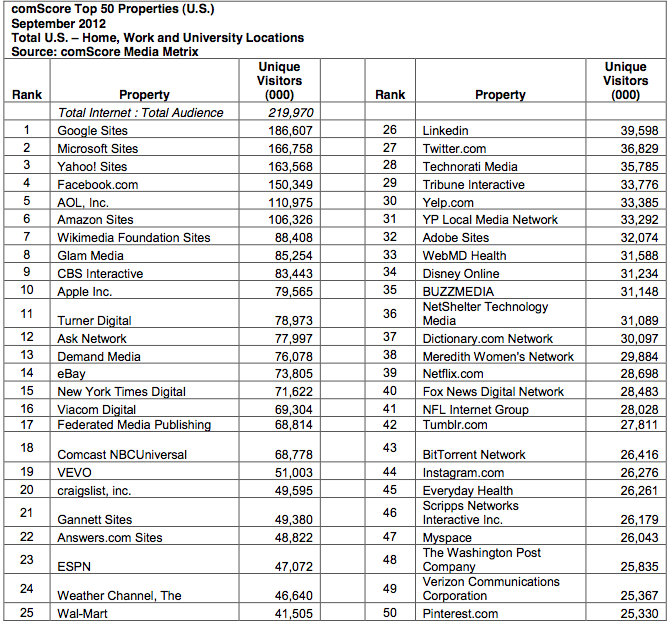
Research firm comScore on Wednesday released web activity data for the month of September, with fast-growing social networking start-up Pinterest edging into its top 50 chart of most visited US websites for the very first time.

Coming in at number 50 with over 25 million visitors during last month, the site still has some way to go to catch the likes of Facebook (placed 4th with 150 million visitors), LinkedIn (26th with 39 million visitors) and Twitter (27th with 36 million visitors), but it’s certainly a start.

Pinterest’s entry into the top 50 chart comes a short time after some significant changes at the firm. In August, it ended its invitation-only model, enabling anyone to join. In the same month the site, which allows users to easily share items of interest discovered on the Web by ‘pinning’ images to a board, launched free apps for Android devices and Apple’s iPad.

Google topped comScore’s list, though its 186 million visitors were across all of its sites. The same goes for Microsoft, in second place with 166 million visitors and Yahoo, in third spot with 163 million visitors.

Among news-based sites, the New York Times ranked highest at number 15 with 71 million visitors.

The research firm noted that back-to-schoolers wasted little time in getting down to business, pointing out a significant increase in Web traffic to education-oriented sites.

“Students and teachers were back in the classroom in September, resulting in a surge in traffic to education sites that earned it the number 1 spot on the top-gaining categories chart,” Jeff Hackett, comScore’s executive vice president, said.

With the economy still in a precarious state and many Americans on the lookout for attractive money-saving deals, incentive sites also saw a pick-up in traffic in September, with the category growing by 7 percent to 24.6 million visitors. Zulily topped the category with 3 million visitors, followed by SlickDeals with 2.5 million.

You can check out the full details of comScore’s report here (pdf).

[via Cnet]


Source : digitaltrends[dot]com

Oct 11, 2012

Lenovo to build on PC success with international smartphone release, leaves HP in its dust

Lenovo K890

Research indicates Lenovo has become the world's number one PC manufacturer, as the company announces plans to expand its smartphone range.

Lenovo is riding a wave of success at the moment, after announcing some exciting Windows 8 tablets, and now it appears the company has become the world’s number one PC manufacturer, and is preparing to release its smartphone range internationally too.

Research firm Gartner has released data that shows Lenovo has pushed past Hewlett-Packard to take the number one spot, and the figures read like this: HP can claim a 15.5-percent global market share, with 13.55 million units shipped, while Lenovo has a 15.7-percent market share with 13.77 million units heading out the door this quarter.

Perhaps more importantly, Gartner shows HP’s sales as down 16.4-percent on last year, while Lenovo is up by just under 10-percent. If you had to choose a direction as a company, you’d want to be the one going up.

According to Reuters, researchers from IDC still put Lenovo ahead of HP, with market shares of 15.7 and 15.9-percent respectively. HP told them that IDC’s report was “more expansive,” but then, they would say that. Almost regardless of who’s right today, the trend certainly indicates the position swap will happen soon.

HP’s CEO Meg Whitman has been quoted as saying the company is in the first year of a five-year restructuring plan, but despite the much-publicized downturn in PC sales — IDC says global sales have dropped by 8.6-percent since July — it still hasn’t made up its mind about re-entering the smartphone and tablet market. Recent reports seem to indicate confusion regarding this market segment within HP.

Lenovo to enter international smartphone market

Lenovo feels rather differently. It already produces smartphones for a variety of Eastern markets and in June this year, overtook both Nokia and Huawei to take second place in the Chinese market. Perhaps most tellingly — and a point HP needs to hear — is that its phone sales surpassed that of its PC sales for the first time there too.

It’s not just low-end hardware the company produces either, as it introduced the LePhone K860 in August, which has a 5-inch display with a 720p resolution, a quad-core processor (actually Samsung’s Exynos 4 Quad, also seen in the Galaxy S3), Android 4.0 and an 8-megapixel camera. It’s destined for Japan sometime later this year.

The momentum is there for Lenovo, and it’s already producing some interesting hardware, so it’s no surprise to see the following message posted on its Facebook page: “We won’t stop at laptops and tablets. For the first time, Lenovo is making plans to sell smartphones outside China.”

Introducing new hardware into the already massively competitive US and European markets isn’t going to be easy, but Lenovo knows it has little choice. Besides, it can always look at the lucrative African, Russian and South American markets initially, before hitting the rest of Europe and the US with devices such as the K860.

Lenovo hasn’t provided any further details, and we’d be surprised to see any releases this year, but it’s still a very positive step from a highly motivated company. Whether HP will respond remains to be seen.


Source : digitaltrends[dot]com

Sep 26, 2012

How to use the Web to make car buying suck less

kelley blue book car comparison

Cut your time bartering and still get the wheels you want with online research and even peer-to-peer lending.

In a recent survey, more than half of respondents said they would rather go to the dentist than negotiate a car purchase. I don’t know of anyone who enjoys the process, except for the father of a friend of mine. He simply goes into the dealership already knowing what is on the lot and which vehicle he wants. He brings with him a briefcase full of cash in the amount of a few thousand less than the MSRP. He simply offers them the briefcase in return for the vehicle.

He hasn’t been turned down yet. He’s in and out – with his new car or truck – in 15 minutes.

Unfortunately, most of us do not have backyards with strategically placed coffee cans full of cash. This weekend it was time for my wife and I to face the crucible, as her lease is about to run out and she’s interested in a bigger SUV.

During the four or five trips our salesperson made between us and her manager to see if we could strike a deal (we couldn’t), I had plenty of time to ruminate on how technology can help this process and what solutions are already out there. As it turns out, the Web already offers quite a few resources that can help save time and make the process of buying a new car less of a headache.

The most important piece of information you can have before stepping into the fire is what the dealer paid for the car, or the factory invoice number. One of the most popular sites to find that number is TrueCar, which also shows you a graph of what other buyers have been paying for the car at the dealerships around your area. If one dealership seems a little more flexible than another, it will show up there. TrueCar also has a network of dealers it has already negotiated pricing with, so you can go in knowing exactly what you will pay. The site did come under fire recently for some aspects of their relationships with dealers, forcing changes in their business model. It seems to make the site more transparent for all involved.

ford fiesta pricing buying a car onlineOne of the tried-and-true sites of car buying, the Kelley Blue Book site, recently underwent a renovation to make it more TrueCar-like. It also shows the keys numbers involved with a car purchase, but also provides an estimated five-year cost of ownership figure based on things like insurance and gas mileage. If you’re not sold on a particular model yet and want to compare multiple vehicles, KBB makes an informative first stop.

These solutions are definitely a step in the right direction towards shifting the balance of power in the auto sales industry, but I don’t think they truly eliminate the aspects of the car purchase experience that people abhor. The dealership will still try to play numbers games using their “hypothetical” forms and their four corners sales sheets. Even with TrueCar’s pricing deals, I’m sure you will still have to sit through multiple rounds of “I don’t know if this is going to work. Let me talk to my manager…” They will still try to sell you add-ons and upgrades you don’t need.

What we really need is a way for more people to experience the kind of power my friend’s father experiences when he goes car shopping: bypassing the ambiguity of financing.

Perhaps that solution already exists.

Thanks to TrueCar and KBB.com, you can know the terms and amounts you need ahead of time. Then, through sites like LendingClub and Prosper, you can negotiate your own financing at terms that are comfortable for you – funded by private financiers. You have none of the hoops to jump through when financing through a regular bank or credit union. You then get a check for the amount you need (I guess you can cash the check and put it in a briefcase, if you really want to experience my example at the next level) and take it to the dealership. One ultimatum later, you’re driving away in your new sled, or whip, or whatever the kids are calling it these days.

Through this plan, everyone wins… except the car dealerships, that is. But I doubt anyone will shed a tear for them.


Source : digitaltrends[dot]com

Sep 25, 2012

RIM execs serenade BlackBerry developers with ‘Keep on Loving You’ music video

Has Research In Motion finally lost the plot? Or is it merely showing everyone it has a sense of humor? A new music video starring company executives thanks BlackBerry developers for sticking with its mobile platform, promising better days ahead.

Research In Motion (RIM) may be experiencing the toughest time in its 28-year history, but it hasn’t forgotten how to have bit of fun.

At its BlackBerry Jam developer conference in San Jose on Tuesday, the mobile company decided to entertain its attendees – or possibly horrify a few of them – with a slickly-produced music video featuring three RIM executives singing a developer-focused version of the classic REO Speedwagon hit, Keep on Loving You.

The video is apparently RIM’s way of expressing its appreciation for developers that have stuck with the BlackBerry platform.

“This video is a thank you to all developers supporting the BlackBerry platform. Your Developer Relations, Alliance and Developer Tools teams appreciate your enthusiasm and loyalty! We’re Going To Keep On Loving You,” reads the accompanying blurb on YouTube.

The three-and-a-half-minute production kicks off with the lyrics:

We’ve all seen these are challenging times, baby,

‘Cuz we’re in transition.

A whole new mobile computing platform may be

one tough proposition.

So don’t be misled,

The launch is just ahead,

We’ll have BlackBerry 10 both in full touch and QWERTY editions.

In a message to BlackBerry developers, vocalist Alec Saunders – RIM’s VP of developer relations and ecosystem – sings, “We’re gonna keep on loving you,” at the same time reassuring them that “our updated SDK is really cool.”

Check it out at the end of this piece and let us know: epic fail or good laugh?

Besides serenading the developers, RIM is also hoping to hold on to existing ones, or even attract new ones, by offering $10,000 per BB10 app submitted to its app store, provided it meets certain quality requirements.

The video was screened on the same day that RIM boss Thorsten Heins announced some better news for the Ontario-based company. Against expectations, BlackBerry subscriber numbers rose to 80 million for the quarter ending September, an increase of two million from earlier this year.

RIM’s future rests heavily on its next mobile operating system, BB10, which is set to launch early next year, together with a number of new handsets. Hopefully the Keep On Loving You video released on Tuesday won’t have scared off too many developers, and the phones can come to market with plenty of BB10 apps to choose from.


Source : digitaltrends[dot]com

Sep 17, 2012

QR codes for tourism? Wikipedia-linked codes to guide visitors to Gibraltar

We see QR codes everywhere, though research suggests they're rarely scanned. Tourism officials in the British outpost of Gibraltar are hoping that won't be the case when it launches 'Gibraltarpedia', an initiative that will equip the territory's landmarks and places of interest with their own QR codes linked to Wikipedia pages offering more information.

We see QR codes all over the place, from magazines to posters to business cards. There’s even a cemetery in Denmark that’s using them to tell the life story of the deceased. A giant one turned up in a Canadian cornfield the other day, too.

Gibraltar, a small overseas territory of the UK located at the entrance to the Mediterranean in southwestern Europe, is also getting in on the act with its soon-to-launch Gibraltarpedia project. The plan is to plaster the place with QR codes giving smartphone-equipped tourists quick access to information about various sites and points of interest.

With 11 million visitors a year coming to the British outpost, tourist officials there are keen to find new ways of enriching their experience, and Clive Finlayson of the Gibraltar Museum thinks QR codes can go some way to help.

“Gibraltar is a multi-layered cake of historical events, starting with the Neanderthals of 50,000 years ago through to modern humans,” Finlayson told the BBC. “Here we have another way of getting all this information across to the world.”

The codes will take users to a Wikipedia page explaining about the place of interest. Volunteers are currently working hard on creating the new pages in a multitude of languages.

Roger Bamkin of Wikimedia, the charity that owns Wikipedia, is planning for the QR codes to communicate with the user’s handset to determine the language of the uploaded webpage.

“By scanning QR codes around them, tourists will be to able to find out about the place they are visiting in their own language, with the description written by a volunteer speaking that language,” Bamkin said.

Of course, it could be that many visitors, fearful of pricey roaming charges, will simply stick with a traditional printed guidebook rather than scanning codes. To get around this, the authorities are considering introducing free Wi-Fi.

Despite the good intentions of Gibraltar’s tourism office, getting visitors to use the codes may be an uphill struggle. The results of a recent comScore study showed that in July this year only 11 percent of UK smartphone owners scanned a QR code. That’s pretty dismal for a technology that’s been around almost 20 years.

Either way, the codes will provide tourists visiting the territory with another option for pulling up information besides guidebooks, pamphlets and apps.

While QR codes have failed to really take off in other areas, do you think it could find its place in the tourism industry? Would you be tempted to whip out your smartphone if you saw a QR code beside a famous landmark?

[Image: Artur Bogacki / Shutterstock]


Source : digitaltrends[dot]com

Sep 11, 2012

Nielsen: More than 50 percent of teens now own a smartphone, fastest-growing sector

According to new data from research firm Nielsen, smartphone ownership is growing fastest among those between 13 and 17 years of age, with more than half now owning such a device.

New research from Nielsen shows that 58 percent of 13 to 17 year olds living in the US now own a smartphone, a significant jump from 36 percent 12 months ago. Ownership is most prevalent, however, among those aged 25 to 34, standing at 74 percent, up from 59 percent a year ago.

As of July 2012, 55.5 percent of all mobile subscribers based in the US own a smartphone, Nielsen said. This marks an increase of 14.5 percent on a year earlier.

With teens clearly the fastest-growing group in smartphone take-up – and with plenty of growth still possible – we can expect to see mobile makers taking an even keener interest in the sector with marketing campaigns designed to win over the young consumers.

Among the various mobile operating systems, Android is still the market leader, with 51.9 percent of all US-based smartphone owners using an Android-powered device as of July 2012. When the figures are broken down to see who bought what during the last three months to July, the figure for Android is even higher – 58.6 percent.

Worryingly for Research In Motion, Android’s recent growth appears to have been at the expense of its BlackBerry devices. According to Nielsen’s research, BlackBerry smartphone ownership now stands at just 8 percent of all US-based smartphone owners, with the figure dropping to just 2.7 percent for those who purchased a smartphone in the last three months. The grim figures highlight the enormity of RIM’s task of rejuvenating its business with the launch of its next-generation OS, BlackBerry 10, although this won’t be happening until at least early 2013.

Of smartphone purchases made in the last three months, 58.6 percent opted for an Android-powered device, while 33 percent went for the iPhone. The figures for Apple’s iOS device may have been skewed by the fact that many of those keen on getting an iPhone are choosing to wait until the launch of the new model, expected to be unveiled by Tim Cook on Wednesday.

In its research, Nielsen questioned more than 20,000 US-based mobile subscribers aged 13 and over.

[Image: Peter Sobolev / Shutterstock]


Source : digitaltrends[dot]com

Sep 7, 2012

Twitter beats Facebook on mobile ad revenue, says eMarketer

With a new payment service, accounts will lose their Verified status if they stop advertising on Twitter.

Online market research firm eMarketer estimates that Twitter's mobile ad revenue will surpass Facebook's mobile ad revenue in 2012. But 2013 will be a different story.

The latest report on mobile revenue from online marketing research firm eMarketer won’t console Facebook investors, at least not until next year. According to its report, Twitter will beat Facebook in mobile ad revenues through this year.

EMarketer estimates that Twitter will earn $129.7 million in mobile advertising revenues this year, while Facebook will earn just $72.7 million.

emarketer mobile ad revenue 2011 to 2014

Strategizing an effective mobile business model is becoming increasingly imperative for companies, as the volume of mobile phones on the market skyrocket alongside the number of mobile devices owned by households. By 2015, tablet sales are estimated to reach 248.6 million units and smartphone sales are expected to reach 1.048 billion units, according to Transparency Market Research.

Twitter has already found its footing in mobile advertising. Dick Costolo, Twitter CEO, boasts that Twitter was developed with mobile in mind. As the company began selling mobile ads earlier this year, just weeks into its mobile ad program, the company garnered more ad revenue from its Promoted Tweets program on its mobile platform than on its desktop app.

Likewise, Facebook’s mobile ads have seen higher click-through rates than its desktop application. From a study conducted by SocialCode, the click-through rate for Facebook mobile ads was found to be 0.79 percent, while desktop, News Feed-based ads garnered just 0.327 percent of click-throughs. With a click-through rate on mobile over two times higher than on its desktop app, Facebook charges higher CPMs for mobile, which on average is $7.51.

Facebook has been slower to capitalize on its mobile strategy compared to Twitter, with even Facebook CEO Mark Zuckerberg attmitting that mobile is Facebook’s toughest challenge yet. Unlike Twitter, Facebook was designed for the desktop, and as we already know, translating a desktop app into a mobile app requires dramatic structural changes to compensate for the different screen size. Adding to the complication, a study by Trademob found that up to 40 percent of clicks on mobile ads have been found to be accidental clicks, in part due to the small screen size of mobile devices in comparison to the width of your fingers.

Fortunately, according to eMarketer, Facebook is forecasted to surpass Twitter in mobile advertising revenue by next year when Twitter’s mobile advertising revenue is expected to amount to $272.6 million, and Facebook’s mobile ad revenue will reach an estimated $387 million. At the moment, however, Facebook even trails Pandora, which is currently bringing in $226.4 million in mobile ad revenue. But Facebook is expected to surpass the music streaming service in 2013 to become the second-highest mobile revenue generating company in the study, next to Google, which brings in a chart-topping $750 million.


Source : digitaltrends[dot]com

Aug 31, 2012

10 Incredible Technologies out of the Nation of Israel

When one thinks of technology, generally it is with the idea of corporate giants and world superpowers with plenty of resources for research and development. But sometimes big things can come in small packages. The nation of Israel, a country about the size of New Jersey, is a good example. This small country, since becoming a nation back in 1948, has managed to turn its barren desert environment into a wealth of technology and innovation. Here is just a small selection of their technological developments.

1. BabySense

These monitors, released back in 1992, were developed by the Israeli company HiSense. By placing them under the mattress, they monitor baby’s movements and breathing, and sound an alarm if the baby’s breathing stops.

2. Diagnosis Kit for Superbugs

Superbugs that adapt and become resistant to antibiotics have become a top killer in the US and Europe. With this new kit recently invented by Hebrew University Professor Nathan Citri, one can identify the type of antibiotic-resistant superbug within minutes instead of days, making treating the patient easier and faster.

3. Disk-On-Key

Flash drives are a common way these days to store and transport computer files. It was originally developed by M-Systems, an Israeli company, and later sold to SanDisk.

4. Computer Processors

The centrino processor, along with the 8088 and the SandyBridge, were all developed at Intel’s small chip design center in Haifa. These chips are used in laptops worldwide.

5. Cell Phones

Original cell phone technology was developed by Motorola’s Research and Development center in Israel. Their technology keeps cell phones small and sleek while maximizing capabilities.

6. Amazon Kindle

The Java platform, as well as the e-reader itself, were both developed in Israel. The kindle is now one of the most popular e-readers on the market.

7. X-Hawk

Developed by Israeli engineer Rafi Yoeli, this flying car is designed for search-and-rescue jobs. Perhaps next up will be flying cars for personal use?

8. Solar Power

Israel has several big solar power plants: BrightSource Energy, Pythagoras Solar, and AORA, which produce lots of energy. Pythagoras Solar has also developed solar windows to help generate power and reduce energy costs.

9. Friendly Robotics

Friendly Robotics, an Israeli company, has created robots for doing chores around the home. Producing such robots as the Robomow for mowing lawns and the robotic vacuum cleaners, they have plans for other robots to scoop snow and mop floors.

10. Mobileye

Mobileye can warn of impending crashes and even stop a car if the driver can’t. According to the Jerusalem based company, it can reduce accidents by 40-50%, and many companies are employing this technology in their new vehicles.

This is just a small sample, and they will probably continue to be a giant in the world of technology in the years to come.

Author Bio: Meg Jones works with a real estate and investment company that handles houses in Israel for both local clients and those from abroad.   The Land of Israel is an exciting place, filled with amazing history and incredible technologies of the future.


Source : techtalkafrica[dot]com

Aug 29, 2012

Some Americans believe stormy weather interferes with cloud computing

Stormy weather

While many Americans use cloud computing every single day, that doesn't mean they necessarily understand it.

According to a recent survey conducted by Wakefield Research for Citrix, approximately 51 percent of the respondents believe that a few rain clouds in the sky will directly interfere with Internet-connected electronics when attempting to upload or download data through cloud computing. Of the 1,004 people surveyed, the majority thought the term “the cloud” was related to actual clouds in the sky and 29 percent thought it had to do with weather conditions. Only 16 percent recognized the cloud as the common term when referring to a computer network that stores data for Internet-connected devices like laptops, tablets and smartphones.

Cloud-ComputingApproximately 54 percent of the respondents stated that they didn’t use the cloud when using their Internet-connected devices. However, over 90 percent of that group admitted to several common actions that uses cloud storage for user data.

These actions included online banking and shopping, browsing social networks like Facebook, using file-sharing services, playing online games as well as storing photos, videos and music on various Web services. It’s clear that people are able to take advantage of cloud computing without actually being able to define it.

Also interesting, more than one in five respondents have claimed to understand how the cloud works, but were only pretending to understand. In addition, over 50 percent of the respondents believe that when friends, family and co-workers refer to the cloud in conversation, they really don’t understand it at all. One third of the respondents have pretended to understand references to the cloud at work and fourteen percent claimed to understand cloud computing during a job interview. In addition, seventeen percent pretended to understand “the cloud” while on a first date.

However, nearly 60 percent of respondents believe that the “workplace of the future” will exist entirely in the cloud. When asked about advantages to conducting business over cloud computing, over a third want to use it in order to avoid specific people at work and approximately forty percent would like to use it at home to avoid getting dressing in the morning.

When asked why using cloud computing wasn’t a priority for them, respondents named privacy concerns, security concerns and cost as the main deterrents to cloud computing. However, some respondents do believe that businesses can lower costs with cloud services as well as increase consumer engagement.

While some Americans aren’t quite sure how to define the cloud, this hasn’t stopped many Web startups from taking advantage of cloud computing to scale up services for new users. According to a recent article in the New York Times about Amazon Web Services, CEO Daniel Gross, the founder of the Cue mobile application, claimed that Amazon Web Services saved the company hundreds of thousands of dollars and provided a great deal of flexibility as more users started using the application. In regards to Amazon Web Services, Gross stated “I have ten engineers, but without A.W.S. I guarantee I’d need sixty. It just gets cheaper, and cheaper, and cheaper. I don’t even know what the ballpark number for a server is. For me, it would be like knowing what the price of a sword is.”


Source : digitaltrends[dot]com

Aug 23, 2012

Samsung, Nokia, and Apple dominate phone sales in spring 2012

Mobile phone market share for Q1 2012

Wondering who shipped the most handsets in the second quarter of 2012? ABI research reveals the top 11 players.

There aren’t many surprises when it comes to analyzing the top 11 manufacturers in the worldwide mobile handset industry in the second quarter of 2012. All the top brands you would expect to see are present and correct. The top three will surprise no one – Samsung, Nokia, and Apple (in that order). Of course, this analysis from ABI Research analyst, Michael Morgan, covers every handset shipped, not just smartphones.

Samsung accounted for 26 percent, Nokia shipped 23.1 percent, Apple 7.2 percent, ZTE 5.4 percent, and LG 3.6 percent. You can see the full run down on Fierce Wireless, which has detailed sales figures. Keep in mind, these are shipments rather than sales, but it still gives you a good idea of the top players.

Morgan runs through an analysis for each manufacturer on the list. We’ll give you the condensed highlights. Samsung is doing very well, with over 50 million smartphones shipped. Nokia shipped a roughly even split of Symbian and Windows Phone devices, but WP8 is liable to have a detrimental impact on sales of those WP7 devices. Apple’s iPhone sales slowed, but with the iPhone 5 just around the corner, we can expect a major spike for them soon.

ZTE made it into the top five for the first time ever. Huawei is another rising star from China, along with TCL (Alcatel). Things don’t look so great for LG, RIM, or Motorola, as they all showed a decline from the first quarter of 2012. Sony Mobile and HTC showed a slight improvement over their first quarter results.

With plenty of new releases on the horizon, we can expect the rest of the year to be an interesting battle. Can Apple catch Samsung? Probably not. Can Motorola turn things around with a new line-up? Maybe. Will Nokia’s new WP8 line make up for the WP7 smartphones already shipped? We’ll have to wait and see.

(Image via Fierce Wireless)


Source : digitaltrends[dot]com

Aug 19, 2012

Disney’s ‘Physical Face Cloning’ produces the ultimate photo-realistic robots

Disney Research found a way to replicate the human face onto a robot for a more realistic robot experience.

It seems, over time, our robots are becoming more and more human-like. They can walk like humans, talk like humans, and perform tasks like humans. The one thing they haven’t really been able to successfully do, though, is look like humans. They are metal and mechanical. Achieving the human look is difficult. There are so many complexities in the human form.

If you think about it, robots probably shouldn’t look like humans. A human-like robot would certainly freak everyone out. If robots looked like us, we would constantly feel like a robopocalypse is on our horizon.

But it would be fun if we kept these human-like robots to a minimum and used them for specific things. And that’s exactly what Disney is planning on doing.

Disney Research in Zurich, Switzerland, just developed a new process of robot making that enables a physical human face to be cloned onto a robot. The process is called “Physical Face Cloning,” and it involves the scanning of a human head. Once the human head is scanned, the coordinates and expressions are recorded onto a 3D program. It uses measurements of skin elasticity and skin thickness to create a realistic mold of the face with silicon.

The robot face looks eerily accurate. Even the wrinkles and fine lines are portrayed on the robot. The robot is also capable of accurately portraying emotions like sadness, happiness, and anger.

Disney is planning on using the robots in its theme parks to add “realism to the interactive characters.” With advances in artificial intelligence, perhaps we’ll be ask the robots questions and see the robot reply with human-like emotions and expressions, like mechanical versions of Siri.

There’s no word yet on when the robots will be released, but this video demonstrates the complicated process involved in making them:


Source : digitaltrends[dot]com

Aug 13, 2012

Etsy updates its prohibited items list: No more black market organs here

Etsy policy guidelines ban human organs

After extensive research of "offbeat and fascinating topics," Etsy has updated its policy to prohibit a slew of products "not in the Etsy spirit."

We weren’t quite aware that Etsy had become the black market of the Internet… so much so that the online shopping site had to update its policy guidelines to prohibit a slew of items formerly available on its marketplace. Last week, Etsy made an announcement via its blog that it will be limiting the types of “offbeat and fascinating” items users can attempt to sell, including human body parts and drug paraphernalia.

The crackdown come after the Etsy team’s extensive research and conclusion that organs, drugs, tobacco, explosives, and motor vehicles just aren’t exactly in the spirit of Etsy. “We want to maintain Etsy as a marketplace that is safe for both shoppers and sellers. In many cases, items on the prohibited list may be subject to complex legal regulations or restrictions that vary greatly by location,” the blog post reads. “While we understand that it is possible for certain items to be carefully and legally bought and sold, Etsy is just not the right venue for them.”

In effect as of August 8th, users will no longer be able to buy or sell hazardous objects, from smokeable products like tobacco alternatives to flammable items such as sparklers and matches. Tobacco-related accessories such as water pipes, bubblers, oil domes, hash skillets, vaporizers, and ash catchers have all also been added to the prohibited items list. Incenses are still fine by Etsy.

What’s even odder in this “Don’t” list is the limit of selling human organs and remains, including “skulls, bones, articulated skeletons, bodily fluids, preserved tissues or organs, and other similar products.” Teeth and hair, however, are perfectly okay even though those are still pretty weird things to buy online. Still, we have to wonder: Who exactly was looking to Etsy for second-hand kidneys? We can sort of understand buying crochet spleens or maybe even a colon plush for the sake of teaching your kids anatomy, but the real deal is just much too creepy.

Shop owners who have been affected by this update will be notified by Etsy directly. The site will ask that the sellers either take down the now-prohibited item or update the listing to make the product compliant with new rules, such as selling tobacco pipes without carburetors. Shoppers who come across stores selling questionable items are also asked to report the listing to Etsy to help the site extensively review its marketplace products.


Source : digitaltrends[dot]com

Aug 7, 2012

Kitty Cams Provide Glimpse Into Lives of Feline Friends

ht kitty cam ll 120807 wblog Kitty Cams Provide Glimpse Into Lives of Feline Friends

                                                                                  Image credit: University of Georgia

A research study by the University of Georgia shows a never-before-seen side of family cats, providing a glimpse into the lives they lead when we’re not around.

The researchers attached small cameras, called “Kitty Cams,” around the necks of over 50 cats — and let them roam.

According to Kerrie Anne Loyd, a University of Georgia researcher, the team gathered thousands of hours of video from 55 different cats.

The team then analyzed the video, finding some very unexpected results.

It turns out our feline friends may be more welcoming than we thought.

“One of the most surprising things we witnessed was cats adopting a second set of owners,” the team wrote on the research website. “Four of our project kitties were recorded entering another household for food and/or affection!”

Who says cats aren’t as friendly as dogs?

But at the same time, don’t think all cats are angels. According to Loyd, some of the kitties that participated in the research project were channeling their inner tiger.

“There was a greater number of small reptiles killed than previously thought,” Loyd said. “This is probably because we don’t normally see it. The cats usually end up eating them or leaving them in the woods so we never knew before.”

The research also analyzed the number of risks each cat took, showing that male cats are much more aggressive than females.

Younger cats also took more risks than older cats. Maybe cats aren’t that different from their owners after all.

But according to Loyd, the technology used is as significant as the results.

“National Geographic has been making Critter Cams, cameras for wildlife, for years,” Loyd said. “But they stepped it up a bit and made something that could record large amounts of video.”

Critter Cams are typically used to study wild animals. But with the Kitty Cam, owners can recharge the batteries to get more footage. The cameras have motion sensors so the camera turns off if the cat is stationary, saving video. And there are even LED lights built in, so that when the cats went down storm drains or were out in the dark, researchers could see where they went.

“It opens so many doors knowing that this kind of technology works,” Loyd said.


Source : abcnews[dot]go[dot]com